Keeping cakes fresh and beautiful isn’t just about baking skill—it’s about mastering cold chain cakes logistics. When perishable desserts like creamfilled pastries or fruittopped gateaux leave the oven, they must enter a temperaturecontrolled journey from production to storage, transport, display and eventually your customer’s plate. Failure at any point can cause spoilage, soggy frosting or dangerous bacterial growth. This guide, updated in December 2025, explains why temperature control and humidity management are critical, how to build a seamless cake cold chain and what new technologies and regulations mean for your business. Whether you run a patisserie, café, hotel or catering company, you’ll learn how to protect product quality, comply with the 2025 Food Safety Modernization Act (FSMA) updates and harness innovations like IoT and blockchain.
This guide will help you:
Understand why cold chain integrity matters for cake quality and safety, and the risks associated with temperatures in the 5 °C–63 °C danger zone.
Learn recommended temperature and humidity ranges for cake preparation, storage, display and transport, with practical tips on rapid cooling, chilled storage and freezing.
Master safe transport of cakes using prechilled vehicles, insulated containers, route optimisation and realtime monitoring.
Navigate 2025 regulatory requirements, including FSMA transportation rules, Food Standards Agency guidelines and BRCGS certification requirements.
Explore emerging technologies and market trends, such as IoT sensors, AIdriven analytics, blockchain traceability and sustainable packaging, that are reshaping cake logistics.
Get actionable checklists and FAQs that help you implement improvements immediately and answer common questions about cake storage, display and transport.
Why is Cold Chain Cakes Temperature Control Critical in 2025?
Maintaining a continuous cold chain keeps cakes safe and delicious. Cakes containing cream, custard or fresh fruit are considered highrisk foods because bacteria multiply rapidly above 5 °C; regulators warn that food kept in the 5 °C–63 °C danger zone can harbour pathogens within hours. By keeping cakes below 5 °C and above freezing during storage and transport, you inhibit microbial growth while preserving textures and flavours. Regulatory updates in 2025—especially the FSMA transportation rule—require calibrated sensors, data loggers and record keeping. This means bakeries must document temperature data at every stage or risk penalties. A wellmanaged cold chain safeguards consumer health, reduces waste and protects your brand’s reputation.
The Temperature Danger Zone and Safe Ranges
| Stage | Temperature Range | Recommended Humidity | What It Means for You |
| Preparation & Rapid Cooling | Cool cakes from baking temperatures to under 4 °C within two hours | Moderate humidity | Rapid cooling prevents microbial growth and preserves moisture |
| Chilled Storage | 0–4 °C (32–39 °F); humidity ≥ 85 % | High humidity prevents surface cracking and maintains soft crumb | Keeps cream fillings safe and reduces waste |
| Display Refrigeration | 2–8 °C (35.6–46.4 °F) depending on cake type (fresh cream 2–4 °C; mousse 2–6 °C; fondant 5–8 °C; fruittopped 2–6 °C) | Moderate humidity | Presents cakes attractively while keeping them chilled and preventing condensation |
| Transport (short trips <2 h) | 8–12 °C for most cakes; below 8 °C for creambased cakes | Humidity control via insulated packaging | Allows safe delivery using portable coolers or refrigerated vans |
| LongTerm Freezing | ≤ –18 °C (0 °F) with low humidity | Low humidity | Extends storage up to three months for unfrosted cakes |
More than Just Temperature: Humidity and Packaging
Humidity matters as much as temperature. Dry air causes cakes to stale or crack, while excess moisture leads to sogginess. Studies cited in 2025 cold chain research show that packaging with microperforations can maintain 85–90 % humidity and reduce water loss by 60 %, preserving softness. Use airtight boxes or foodgrade cling film to lock in moisture. Choose display cabinets with fanassisted cooling and tempered glass to ensure even temperature distribution and prevent condensation.
How to Store Cakes Correctly in Chilled or Frozen Conditions
Proper storage is the backbone of cold chain cakes temperature control. Cakes are delicate structures: sponge layers, buttercreams, mousses and fondants respond differently to cold and humidity. Keeping them at the right temperature not only prevents foodborne illness but also preserves taste and texture.
Chilled Storage: Balancing Safety and Quality
Use calibrated thermometers: Install digital thermometers inside each fridge and regularly crosscheck with a separate probe to verify accuracy. FSMA guidelines require temperature logs.
Maintain high humidity: Keep humidity above 85 %. Place a container of water in the fridge or use humidifiers.
Organize by risk: Separate raw ingredients from finished cakes to prevent crosscontamination.
Keep packaging sealed: Use bakery boxes or foodgrade cling film to prevent odor absorption and moisture loss.
Freezing and LongTerm Storage
Wrap unfrosted cakes or sponge layers individually in plastic wrap and foil before placing them in airtight containers. Freezers should maintain –18 °C or colder. Avoid frequent opening to keep temperatures stable. Thaw cakes in the refrigerator to prevent condensation.
Protecting Fondant and Decorations
Fondant and sugar decorations are sensitive to moisture and temperature changes. To prevent sweating:
Set display and storage refrigerators at the higher end of the safe range (5–8 °C) for fondant cakes.
Use silica gel packets in display cases to absorb excess moisture.
Allow cakes to come to room temperature slowly before serving to avoid condensation.
RealWorld Application
A boutique patisserie implemented realtime monitoring across its fridges and freezers. By keeping creamfilled cakes at 2–4 °C and monitoring humidity, they reduced spoilage by 25 % and extended shelf life from three to five days. Regular logbooks also simplified their annual audit under BRCGS certification.
How to Transport Cakes Safely While Maintaining the Cold Chain
Transport is often the weakest link in cold chain cakes temperature control. A beautifully chilled cake can spoil during a short journey if temperatures rise. Follow these guidelines:
Preparing for Transport
Prechill the vehicle: Before loading, run the air conditioning or refrigeration unit to bring the interior below 8 °C.
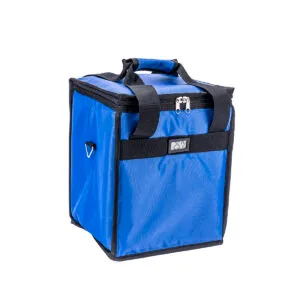
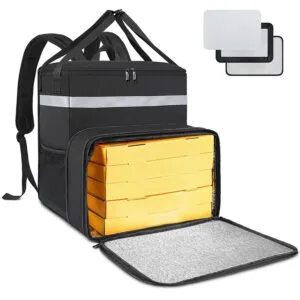
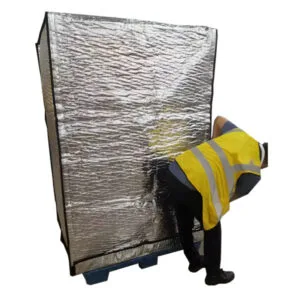
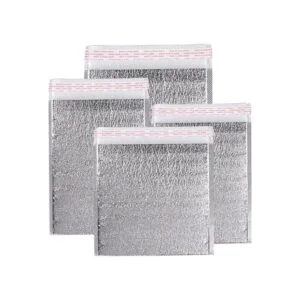
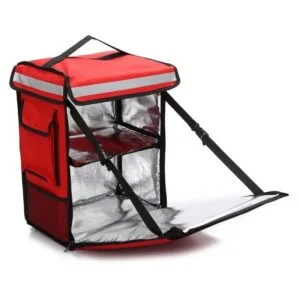
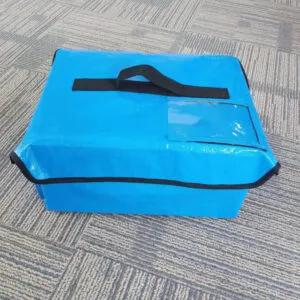
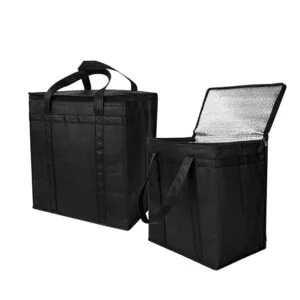
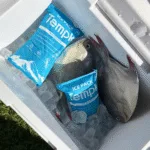
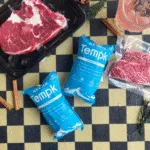
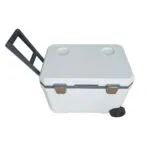
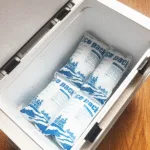
Use insulated containers: Secure cakes in sturdy boxes inside insulated carriers or cooler boxes. Pack ice packs around but not directly touching the cake; keep total temperature within 8–12 °C for short trips and below 8 °C for creambased cakes.
Place cakes on a flat, level surface: Use the boot/trunk rather than seats to avoid tilting.
Monitor with a portable thermometer: Use a digital probe or wireless sensor connected to your phone.
During Transit
Plan routes: Use GPS or routeplanning tools to minimize travel time and avoid traffic; FSMA updates encourage route optimization.
Avoid direct sunlight: Keep cakes out of the sun to prevent hot spots.
Minimize container openings: Opening the box lets cold air escape; only check if necessary.
Delivery and Handling
Temperature check upon arrival: Use an instantread thermometer; highrisk cakes should be at or below 5 °C.
Allow cakes to rest before serving: For fondant cakes, let them sit in a cool room (~20 °C) for at least 30 minutes to prevent condensation.
RealWorld Example: A catering company delivering wedding cakes switched to electric refrigerated vans prechilled to 5 °C and used custom insulated boxes with Bluetooth temperature sensors. As a result, they eliminated complaints and improved their fivestar reviews.
What Temperature Should Cake Display Refrigerators Maintain?
Display refrigerators should be slightly warmer than storage fridges to avoid condensation yet cool enough to prevent spoilage. Recommended settings (as summarised above) include 2–4 °C for cream cakes, 2–6 °C for mousse and cheesecake, 5–8 °C for fondant cakes and 2–6 °C for fruittopped cakes. Display cabinets differ from storage units by prioritising even cooling and aesthetics. Invest in cabinets with fanassisted cooling, digital thermostats and tempered glass; clean them regularly and rotate stock to prevent frost buildup.
2025 Regulatory Guidelines and Standards for Cake Temperature Control
FSMA and BRCGS Updates
In 2025, the FSMA transportation rule (part of the Food Safety Modernization Act) tightened sanitary requirements. Carriers must use calibrated sensors, maintain records and verify that refrigerated units maintain safe temperatures. Food shippers and receivers must develop written procedures and training programs; noncompliance can lead to penalties. Certification schemes such as BRCGS and SQF also stress cold chain integrity: audits check that cakes are stored at 0–4 °C, fridges have calibration certificates and staff maintain logs.
Helpful decision tools
Check the details before you choose packaging
These quick tools can help you compare route risk, sizing needs, coolant choices, and packaging details before you request a quote.
Packaging Selector
Compare insulated packaging options by product, route, and temperature need.
Find packagingCoolant & PCM Reference
Compare coolant and PCM options when a route needs added temperature support.
Compare optionsInsulation Material Reference
Compare insulation material choices for different cold chain packaging needs.
Compare materialsUK and EU Regulations
The UK Food Standards Agency requires highrisk foods to be kept at or below 5 °C. Local guidance recommends refrigerators operate between 0–5 °C and freezers at –18 °C or colder. Local councils often advise that if only air temperature is monitored, fridge air temperature should be colder to ensure food remains below 8 °C.
FDA Food Code
The FDA Food Code advises that cold foods must be held at or below 41 °F (5 °C). Cakes with dairy cream are considered Time/Temperature Control for Safety (TCS) foods; the code requires cooling from 135 °F to 70 °F within two hours and from 70 °F to 41 °F within four hours.
Tips for Regulatory Compliance
Write Standard Operating Procedures (SOPs): Document how cakes are cooled, stored, displayed and transported; include corrective actions.
Train staff: Ensure everyone understands the importance of temperature control and knows how to use thermometers and logbooks.
Use calibrated sensors: Keep calibration certificates and maintain logs for at least two years.
Prepare for audits: Conduct mock audits, review logs and maintenance records and update procedures regularly.
Emerging Technologies and Trends in Cold Chain Cake Temperature Management
The cold chain industry is experiencing a digital revolution. Innovations once reserved for pharmaceuticals now reach bakeries and catering businesses. Embracing technology reduces waste, enhances quality and provides a competitive edge.
IoT Monitoring, Blockchain and AI
IoT Sensors and RealTime Monitoring: InternetofThings devices continuously track temperature, humidity and location. These sensors send alerts when deviations occur, enabling immediate corrective action. They also reduce manual recordkeeping and support predictive maintenance.
Blockchain Traceability: Blockchain creates immutable records of every step in a cake’s journey. It enhances transparency and ensures compliance with food safety laws, making it possible to trace a batch or ingredient in the event of a recall.
AIDriven Route Optimisation: Artificial intelligence analyses traffic patterns, weather and delivery windows to suggest efficient routes, reducing fuel use and keeping cakes cool. AI also predicts equipment failures when combined with IoT data.
Sustainable Packaging and Solar Refrigeration
Ecofriendly packaging and renewable energy are accelerating in 2025. Companies are developing lightweight, insulated containers made from biodegradable materials, some with integrated IoT sensors to monitor temperature and humidity. Solarpowered refrigeration units are gaining traction, particularly in regions with unreliable electricity supply.
Lighter Vehicles and Micro Fulfilment
Refrigerated light commercial vehicles (LCVs) are emerging as the fastestgrowing segment in cold chain transport. They offer fuel efficiency and can navigate congested urban areas. Microfulfilment centres located near customers reduce travel distance, improving freshness and lowering emissions.
Market Growth and Global Opportunities
The global cold chain market is booming. Precedence Research reports that the global cold chain logistics market size was USD 436.3 billion in 2025 and is expected to reach USD 1.36 trillion by 2034 (CAGR 13.46 %). AsiaPacific is projected to grow at the highest CAGR of about 14.3 %, and the dairy and frozen desserts segment held the largest revenue share of 36.1 %. Meanwhile, the 2025 cold chain cakes guide notes that the overall cold chain market (food plus pharmaceuticals) was USD 278 billion in 2023 and is projected to reach USD 428 billion by 2028. According to the World Bakers report, the commercial refrigeration market is projected to grow from USD 45.6 billion in 2023 to USD 62.7 billion by 2028, driven by expanding retail chains and convenience stores. The United States exported baked goods worth USD 4.21 billion in 2022, highlighting opportunities for international cake sales.
Staying Ahead of the Curve
To remain competitive in 2025 and beyond:
Adopt realtime monitoring and analytics: Integrate IoT sensors into fridges, freezers and delivery boxes and analyse the data to predict issues.
Explore renewable energy: Solar refrigeration and energyefficient equipment reduce costs and carbon footprint.
Educate customers: Promote your commitment to food safety, transparency and sustainability. Include QR codes that link to blockchain data.
Participate in industry initiatives: Join trade associations and collaborate with suppliers on packaging innovations and new standards.
Frequently Asked Questions
Q1: Do all cakes need refrigeration?
Not every cake requires the same level of refrigeration. Sponge cakes without cream can be stored at room temperature in an airtight container for two to three days. However, cakes with cream, custard or fresh fruit must be refrigerated at 1–5 °C and consumed within three to four days. When in doubt, treat the cake as high risk and keep it chilled.
Q2: How should I store a fondant cake overnight?
Fondant cakes are best kept in a cool room (~20 °C) to prevent sweating. If the cake contains perishable fillings, refrigerate it at 5–8 °C and cover it with a box or dome.
Q3: What’s the optimal temperature for transporting a mousse cake?
Transport mousse cakes below 8 °C and use insulated containers with ice packs. For journeys longer than two hours, aim for 2–6 °C and monitor temperatures with a digital thermometer.
Q4: Do I need a special display cabinet for cakes?
Yes. Display cabinets are designed to maintain 2–8 °C with even airflow and tempered glass. Household fridges are too cold and cause frosting to sweat.
Q5: What is the danger zone for cakes?
The danger zone ranges from 5 °C to 63 °C (41 °F to 145 °F). Bacteria multiply rapidly within this range; avoid leaving cakes in it for more than two hours.
Q6: Are there regulations specific to cake transportation in 2025?
While regulations cover all highrisk foods, the 2025 FSMA updates stress sanitary transportation and realtime monitoring. Carriers must document procedures, maintain equipment, train staff and respond promptly to temperature excursions.
Summary and Recommendations
Key Takeaways
Keep cakes in safe temperature ranges: Chill cakes between 0–4 °C, display them at 2–8 °C, transport them below 8 °C and freeze unfrosted cakes at –18 °C or colder.
Control humidity and packaging: High humidity (≥85 %) prevents drying; microperforated packaging reduces water loss by 60 %.
Monitor continuously: Use calibrated thermometers, IoT sensors and record logs to comply with FSMA and FSA requirements.
Invest in proper equipment: Choose display cabinets designed for cakes, insulated transport containers and energyefficient refrigeration units.
Stay informed about trends: Embrace blockchain, AI and sustainable packaging to futureproof your operations.
Action Plan
Audit your cold chain: Map every stage from baking to delivery; identify weak spots where temperatures exceed 5 °C and implement corrective actions.
Upgrade sensors and tracking: Install IoT monitoring on fridges, freezers and delivery boxes; set up automatic alerts.
Revise SOPs and train staff: Update procedures to reflect 2025 regulations; conduct regular training on temperature control, hygiene and documentation.
Explore sustainable solutions: Evaluate ecofriendly packaging and renewable energy options; partner with suppliers to develop greener materials.
Engage with customers: Share your cold chain practices through marketing materials, emphasising transparency and sustainability.
About Tempk
Tempk is a leading provider of cold chain packaging solutions for food, pharmaceutical and ecommerce industries. We develop reusable, ecofriendly insulated boxes and ice packs designed to maintain precise temperature ranges. Our R&D centre focuses on innovative materials like vacuuminsulated panels and biodegradable foams, helping customers reduce waste and comply with strict regulations. By choosing Tempk’s solutions, businesses benefit from reliable temperature control, reduced energy consumption and lower carbon footprints.
Ready to improve your cake logistics? Contact our team to explore custom cold chain solutions that fit your bakery’s needs. From insulated boxes to smart sensors, we’ll help you keep cakes fresh and customers satisfied.