Before throwing anything away, identify the cold source. Solid carbon dioxide (CO2) dry ice and a sealed gel, PCM, or hydrate pack are different products and do not follow the same disposal path. If the material is actual dry ice, leave it in an open, vented container in a well-ventilated location and allow it to sublimate. Never seal it, handle it with bare hands, put it down a drain or toilet, or place it in the trash while solid dry ice remains. Sort the shipping materials only after the dry ice is completely gone.
Identify the coolant before disposal
The words dry ice pack are used inconsistently. A shipper may mean loose pellets or blocks of solid CO2, a pouch that contains solid dry ice, or a reusable coolant product marketed for dry-ice-style cooling. Start with the physical item and its label rather than its informal name.
| What you find | How to recognize it | Correct first action |
|---|---|---|
| Solid CO2 dry ice | Hard white pellets or blocks that shrink and disappear without leaving meltwater; the parcel may carry a dry-ice or UN1845 marking | Keep people away, avoid bare-skin contact, preserve ventilation, and allow controlled sublimation |
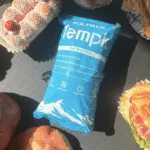
| Sealed gel, PCM, or hydrate pack | A flexible pouch, sheet, bottle, or rigid brick that remains after warming and has a label or product identifier | Keep it sealed; read the label and product-specific handling or disposal instructions |
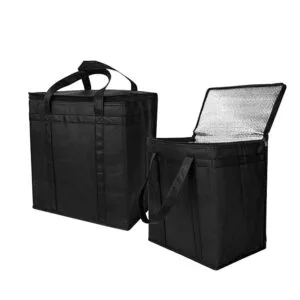
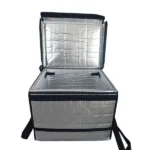
| Insulated shipping material | Cardboard, plastic film, foam, liner, or reusable container surrounding the payload | Separate it only after no solid dry ice remains; then check material and local acceptance |
| Unknown, damaged, or contaminated item | No readable label, leakage, residue, swelling, biological contamination, or contact with a hazardous payload | Stop routine sorting and follow the sender’s instructions, SDS, facility SOP, or local waste authority |
Dispose of solid dry ice by controlled sublimation
The CDC dry-ice safety sheet advises using insulated gloves and eye protection, keeping dry ice in a container that allows gas to escape, and disposing of it in an open container in a well-ventilated area. These precautions address two separate hazards: cold contact can injure skin, and sublimation releases carbon dioxide gas.
- Restrict access. Keep children, pets, customers, and unprotected staff away from the dry ice.
- Do not touch it with bare hands. Use suitable insulated gloves and, where appropriate, tongs and eye protection.
- Keep the gas-release path open. Leave the dry ice in an open or correctly vented container. Never close it inside a jar, bottle, cooler, bag, or bin that can hold pressure.
- Use a well-ventilated location. Do not leave sublimating dry ice in a vehicle cabin, cold room, walk-in refrigerator, basement, small room, or other confined area.
- Wait until no solid remains. Do not place it in a sink, toilet, drain, or trash receptacle. Do not add water or break it up merely to make it disappear faster.
Carbon dioxide is colorless and odorless, so smell is not a warning method. For large quantities, repeated workplace handling, or any uncertainty about ventilation, use the site’s environmental health and safety procedure instead of improvising.
Sort the shipping materials only after the dry ice is gone
Dry ice itself does not leave a solid material to recycle. The carton, film, foam insert, liner, and reusable shipper are separate items. Confirm that no dry ice remains before taking the package apart, compacting it, or closing it in a waste container.
Recycling depends on the material and the receiving program. The U.S. EPA’s common-recyclables guidance notes that plastic and polystyrene acceptance varies locally and that plastic bags and film generally require an appropriate collection path rather than ordinary curbside recycling. Outside the United States, check the local authority or contracted waste provider.
- Flatten clean cardboard only when it is dry and the local program accepts it.
- Do not assume foam is accepted because it has a resin symbol; many curbside programs do not take expanded polystyrene.
- Keep plastic film out of a mixed recycling bin unless the local program specifically accepts that film.
- If packaging contacted a leaking payload, biological material, medicine, or another regulated substance, follow the applicable facility procedure for that contamination.
Handle gel, PCM, and hydrate packs as sealed products
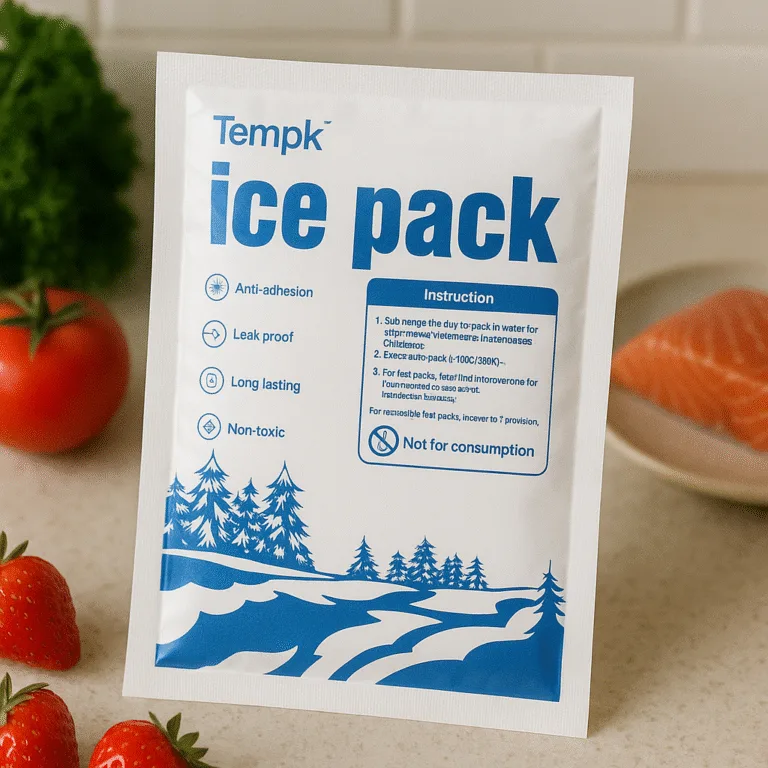
A gel, phase-change-material (PCM), water-injection, or hydrate pack is not solid CO2. Its fill material and outer film vary by product, so one universal disposal instruction would be unreliable.
If the pack is intact and clean
Read the label. Reuse or refreeze it only when the manufacturer permits that use and the seal, surface, and product identity remain suitable. Reusable does not mean that a pack can be used indefinitely or in every food, medical, or shipping application.
If the pack is damaged, leaking, or unidentified
Do not cut it open, pour the contents into a drain, or place the contents in recycling. Isolate the item from the payload and obtain the product label or safety data sheet (SDS). Then follow the manufacturer, workplace, and local waste instructions for that specific fill and wrapper.
Helpful decision tools
Check the details before you choose packaging
These quick tools can help you compare route risk, sizing needs, coolant choices, and packaging details before you request a quote.
Route Risk Checker
Review lane conditions before selecting packaging for real operating requirements.
Check route riskPackaging Selector
Compare insulated packaging options by product, route, and temperature need.
Find packagingIce Pack Calculator
Estimate gel ice pack quantity for chilled shipments and practical route planning.
Estimate ice packsIf a recycling claim appears on the package
Check what the claim applies to. It may refer only to an outer film, a clean component, or a return program. A complete filled pack is not automatically accepted in a household recycling stream. Confirm preparation requirements and local acceptance before separating any component.
Use this receiving-room decision table
| Decision point | Yes | No or unknown |
|---|---|---|
| Is solid dry ice still present? | Keep the container vented, control access, use PPE, and allow sublimation in a well-ventilated location | Continue identifying the remaining pack and packaging |
| Is it a labeled sealed coolant pack? | Follow the label and SDS; inspect before any permitted reuse | Do not open it; ask the sender or waste provider to identify it |
| Is the pack clean, intact, and approved for reuse? | Store or condition it only according to its instructions and your process | Move it to the product-specific waste route |
| Does the local program accept the exact packaging material? | Prepare and sort it as the program specifies | Do not wish-cycle it into mixed recycling |
| Was the package contaminated by its payload? | Use the facility’s contamination or regulated-waste procedure | Proceed with ordinary material-specific sorting |
Escalate large quantities and workplace situations
Household parcel guidance is not a substitute for a workplace plan. The NIH compressed-gas safety guidance explains that carbon dioxide can displace oxygen and that CO2 and dry-ice procedures require ventilation. Warehouses, laboratories, healthcare facilities, and receiving docks should use a documented SOP, assess the quantity and room ventilation, restrict access, and involve environmental health and safety staff when the normal procedure is not adequate.
If someone develops symptoms in an area where dry ice is sublimating, leave the area for fresh air and contact the site’s emergency service. Do not enter a suspected oxygen-deficient or CO2-accumulation area to retrieve the package.
Common disposal questions
Can dry ice go in the trash?
Not while solid dry ice remains. A trash can, dumpster, bag, or other enclosure may restrict gas release and can expose workers. Allow the dry ice to sublimate safely first, then sort the empty packaging.
Can I put dry ice in a sink or toilet?
No. Official CDC guidance says not to put dry ice into a sink drain or toilet. The cold can damage fixtures or plumbing, and the released gas creates an additional hazard.
Can dry ice be recycled?
There is no solid dry ice left after sublimation. Evaluate the carton, foam, film, and reusable shipper separately according to their material and the local program.
How do I dispose of a gel ice pack?
Keep it sealed and check its label or SDS. If it is intact and approved for reuse, follow those instructions. If it is damaged, leaking, unidentified, or contaminated, do not empty it into a drain or recycling bin; use the product-specific local waste route.
Page scope and next steps
This page owns the end-of-use decision: identify the cold source, make actual dry ice safe, and sort the remaining materials. For the first actions immediately after opening a shipment, use the guide to handling dry ice from a delivered package. Before putting solid dry ice into a cooler, check the separate cooler suitability and ventilation guide.
If the item is a reusable gel, PCM, ice-brick, or hydrate product rather than solid CO2, compare the formats in the Tempk ice-pack category. For a future frozen shipment that genuinely uses solid dry ice, use the Dry Ice Calculator as a planning starting point, then confirm the actual packout, venting, carrier rules, and route conditions.