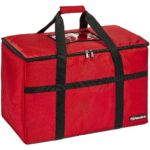
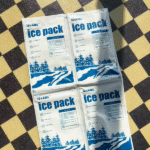
Insulated ice box manufacturer price reflects more than a product. It reflects design intent, material use, thermal strategy, tooling maturity, customization burden, and supplier control. If you want a reliable buying decision, you need to understand how those pieces fit together.
That is the difference between a low quote and a good quote. A low quote may look attractive at first. A good quote gives you a product that fits the route, scales cleanly, and creates fewer surprises after launch.
In this article, you will learn:
* What truly drives insulated ice box manufacturer price
* Why supplier capability matters as much as unit cost
* How customization and standardization change economics
* What 2026 sustainability and policy trends mean for pricing
* How to build a stronger manufacturer comparison process
What truly drives insulated ice box manufacturer price?
**The biggest drivers are material logic, geometry, tooling status, order volume, and required performance.** A supplier using an existing platform with stable tooling can often offer better pricing than one building a custom program from scratch. At the same time, a stronger structure or more precise design may justify a higher quote when your use case demands it.
That is why buyers should stop asking only, “Why is this price higher?” and start asking, “Which design decisions created that difference?” Once those decisions are visible, comparison becomes much more meaningful.
Why does supplier capability matter so much?
**Supplier capability matters because insulated packaging only creates value when the result is repeatable.** A one-time good sample is not enough. You need the factory to maintain dimensions, closures, packaging methods, and accessory fit across real production.
That is where stronger manufacturers stand out. They may not always be the cheapest, but they usually make the program easier to run. And in many cases, that is worth more than a small upfront saving.
How do customization and standardization affect economics?
**Customization raises cost by increasing complexity. Standardization lowers cost by improving efficiency.** New inserts, private-label details, special colors, new cartons, and custom accessories all create setup burden. Some are worth it. Many are not.
The best long-term approach is often to use a strong standard platform for most needs and reserve customization for the few features that really change commercial value or transport fit.
Practical rule
Customize where the market sees value or where the route requires it. Standardize everything else.
What do 2026 trends mean for manufacturer price?
**2026 trends push buyers toward system-aware sourcing.** WHO’s latest cold-box and coolant-pack materials continue to emphasize correct matching, durability, loaded weight, and practical field behavior. EU transport-packaging policy keeps lifecycle thinking and reuse on the agenda, and GDP-related expectations continue to reward suppliers who support more disciplined transport decisions.
That means stronger manufacturers may price around more than material and labor. They may also price around better support for real transport conditions and future packaging expectations.
Helpful decision tools
Check the details before you choose packaging
These quick tools can help you compare route risk, sizing needs, coolant choices, and packaging details before you request a quote.
Box Liner & Pallet Cover Sizing
Check box liner and pallet cover sizing logic for insulated packaging projects.
Estimate sizingRoute Risk Checker
Review lane conditions before selecting packaging for real operating requirements.
Check route riskInsulation Material Drop Resistance
Review drop resistance and handling factors before choosing insulation materials.
Check resistanceWhat is the smartest way to compare manufacturers?
**Use a weighted scorecard.** Include price, but also include standard-platform maturity, customization flexibility, accessory logic, repeatability, and intended use cycle. That will help you identify which supplier is actually the best fit rather than simply the cheapest option.
Core scorecard categories
* Unit price
* Standard platform maturity
* Customization burden
* Repeatability
* Accessory completeness
* Lead time
* Intended lifecycle fit
Frequently asked questions
Should I always choose the standard platform?
Not always. But it is usually the best starting point for cost control and stability.
What usually makes a quote look cheap?
Low customization, lighter structure, fewer accessories, or less process control.
Does policy really affect manufacturer pricing?
Yes. Policy and compliance expectations shape what buyers ask for and what suppliers prepare to provide.
What is the most overlooked comparison factor?
Repeatability. It decides whether the product still works after the first successful sample.
Summary and recommendation
Insulated ice box manufacturer price in 2026 should be judged by system value, not only product cost. Material, geometry, customization, tooling maturity, and repeatability all shape the sourcing result. Stronger suppliers may cost more, but they can reduce confusion, redesign, and downstream waste.
The best next step is to review your current quotations against a scorecard that includes both cost and supplier maturity. That will make your next sourcing decision far more reliable.
About Tempk
We focus on packaging designs that make sense in production as well as in use. That means clearer standard platforms, more practical customization, and better alignment between thermal needs and manufacturing reality. Good sourcing decisions come from seeing the whole system, not only the unit price.
For the next step, compare your leading manufacturers on standard-platform strength and repeat production confidence before making a final price decision.