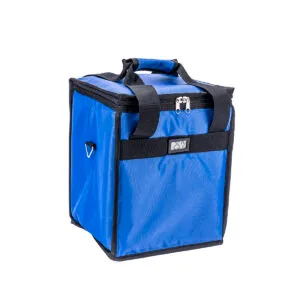
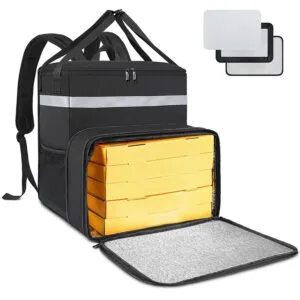
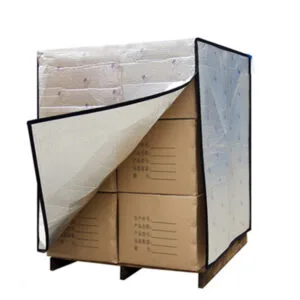
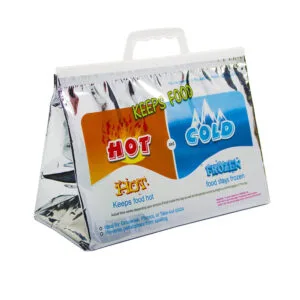
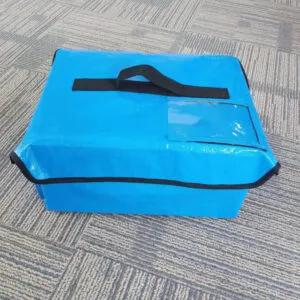
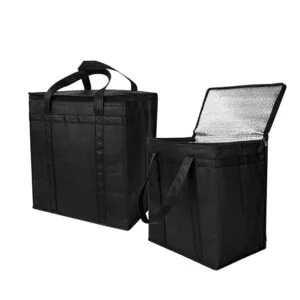
Choosing an insulated pouch company vaccine teams can trust is about more than buying a portable bag. It is about choosing a supplier that understands temperature-sensitive product handling, freeze prevention, monitoring discipline, and real field workflow. In vaccine transport, the pouch is only as good as the system it supports.
This article will help you answer
- How to choose the best vaccine insulated pouch supplier
- Which technical features matter most for real cold-chain handling
- Why monitoring, pack-out discipline, and freeze prevention matter together
- What 2026 healthcare buyers now expect from a pouch partner
What defines the best vaccine insulated pouch supplier?
The best supplier starts by defining the operating scenario. Is the pouch for clinic transfer, pharmacy movement, daily site delivery, or outreach work? How long is the route? What coolant is used? Where is the logger placed? How often is the pouch opened? These questions matter because vaccine transport is a system problem, not a fabric problem.
CDC guidance gives the buyer a practical baseline. Refrigerator-stored vaccines commonly need 2°C to 8°C handling, and CDC recommends digital data loggers recording at least every 30 minutes. CDC also warns that some liquid vaccines containing aluminum adjuvant can permanently lose potency if frozen. This is why the best pouch design protects against both heat gain and accidental freeze exposure. (疾病控制与预防中心)
Vaccine pouch decision tool
- What is the true route time?
- Is the pouch a primary transfer tool or a secondary carry layer?
- How is coolant separated from the payload?
- Where is the logger placed and how is it checked?
- What seasonal profile was assumed in qualification?
| Buying priority | Best design focus | Common mistake | What it means for you |
|---|---|---|---|
| Temperature protection | Balanced insulation and correct coolant layout | Buying by thickness alone | Better control in use |
| Freeze prevention | Payload separation and disciplined pack-out | Direct payload-to-pack contact | Lower freeze risk |
| Monitoring | Visible logger logic | No routine readout path | Better compliance behavior |
- Practical tips and recommendations
- For clinic transfer: Choose a pouch that supports quick verification and short open time.
- For outreach teams: Prioritize carry comfort, fixed pack positions, and freeze-aware layout.
- For procurement: Request the supplier’s loading assumptions in writing, not only the material list.
Example scenario: A provider compared two pouches with similar insulation. The better option was not the thicker one. It was the one with a clearer payload zone, more visible logger handling, and a loading pattern staff could repeat correctly.
Why do qualification and guidance matter?
WHO guidance for temperature-sensitive medicinal products says passive insulated containers should be qualified together with the refrigerants and related packaging used in transport. WHO’s PQS program also includes freeze-preventive carrier concepts, which highlights how important freeze control is in real-world immunization work. EU GDP guidance adds another practical point: seasonal variation and reused cool packs need controlled written procedures. (世界卫生组织)
ASTM D3103 is also valuable when buyers want disciplined thermal evaluation language. It helps move the conversation from vague promises to defined test conditions and pass criteria. (ASTM International | ASTM)
2026 developments and trends
The clearest 2026 trend is simpler, better-documented portable cold-chain transport. Buyers want lighter pouches, clearer loading, visible logger practices, and designs that support correct use under pressure. Sustainability also matters, but healthcare buyers still put qualification first. In this category, reuse and lighter design only help when performance stays controlled.
Helpful decision tools
Check the details before you choose packaging
These quick tools can help you compare route risk, sizing needs, coolant choices, and packaging details before you request a quote.
Insulation Material Reference
Compare insulation material choices for different cold chain packaging needs.
Compare materialsCoolant & PCM Reference
Compare coolant and PCM options when a route needs added temperature support.
Compare optionsRoute Risk Checker
Review lane conditions before selecting packaging for real operating requirements.
Check route riskFrequently asked questions
Is thicker insulation always safer for vaccine pouches?
No. Without good coolant layout and freeze control, thicker walls alone do not guarantee better protection.
Should a vaccine pouch always be qualified with the pack-out?
Yes. The pouch, coolant, payload, and handling method work together, so they should be evaluated together.
What is the best first question for a supplier?
Ask what exact route and temperature assumptions were used when the pouch was designed or tested.
Summary and recommendation
The best insulated pouch company vaccine buyers choose is one that understands field reality. Start with route time, payload, coolant, logger use, and seasonal assumptions. Then compare layout, carry comfort, lining, and qualification logic. That is the strongest path to safer, more repeatable vaccine transport.
About Tempk
At Tempk, we develop insulated transport solutions for cold-chain and healthcare use with attention to qualification logic, user handling, and production consistency. We focus on products that teams can use correctly in real operations.
Internal link suggestions
- Vaccine transport qualification guide
- Freeze-prevention pack-out tutorial
- Portable medical cold-chain monitoring article