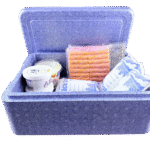
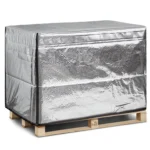
If you need the best dry ice bag for vaccines, pick a vented, medical-grade liner that releases CO₂, prevents vial contact, and fits an IATA PI 954–ready shipper. You get stable ultra-low temperatures (around −78.5 °C), regulatory compliance, and fewer rejected shipments. This guide combines field-tested methods, current checklists, and practical tips you can apply today.
-
When to use a dry-ice solution for ultracold vaccine shipping
-
How to choose the right liner and size the charge
-
Step-by-step packing that stays PI 954 compliant
-
What to avoid and why, plus 2025 trends that matter
When do you actually need the best dry ice bag for vaccines?
Short answer: Use the best dry ice bag for vaccines only for products labeled for ultracold (≤ −60 °C) or deep-frozen (−50 °C to −15 °C) lanes where dry ice is required. Refrigerated vaccines (2–8 °C) should not use dry ice because over-cooling can damage potency. Always verify the product label and route qualification notes.
Why this matters to you: Vaccines are sensitive; even small swings can reduce efficacy. Dry ice sublimes to CO₂ at −78.5 °C, so packages must vent. For mRNA or other ultracold products, a vented liner inside a validated shipper preserves temperature while avoiding pressure build-up. For 2–8 °C or standard-frozen products, choose PCM/gel packs instead.
Sizing the best dry ice bag for vaccines for 24–72-hour lanes
Aim to right-size the charge to the lane and shipper performance. As a planning start: ~2–6 kg per 24 h for mid-size foam/VIP shippers, scaling with ambient extremes. Leave headspace in the vented bag so CO₂ escapes. If you consistently exceed ~9–10 kg per 48 h, step up to a larger, better-insulated shipper rather than choking vent paths.
| Choice you’re making | Good baseline | When to upsize | What it means for you |
|---|---|---|---|
| Bag material | Vented PE/HDPE (2–4 mil) | Multilayer/foil-laminate for >48 h | Slower sublimation, longer hold time |
| Charge per 24 h | 2–6 kg typical | >6 kg in hot lanes | Validate with data loggers |
| Liner type | Micro-perfs | Valve liner for dense loads | More controlled venting, fewer bulges |
Practical tips that save time and product
-
Separate vials from ice: Add a rigid spacer or tray; never allow direct contact.
-
Keep vents open: Don’t over-tape inner lids; CO₂ must escape.
-
Label precisely: Mark “Carbon dioxide, solid / UN1845” and net dry ice mass in kg on one vertical side.
Real-world case: A cross-border mRNA route switched from plain LDPE to vented foil-laminated bags and extended hold time by ~27% while cutting dry-ice consumption ~15%.
How do you pack with the best dry ice bag for vaccines step-by-step?
Core steps: Condition components, load product centrally, insert a spacer, fill the best dry ice bag for vaccines above or around the payload, close without sealing vents, then label and log. Keep PPE on, work in ventilation, and place a calibrated data logger with the vials.
Expanded guidance:
Use a ventilated outer carton with a rigid inner (EPS, EPP, or VIP). The best dry ice bag for vaccines must not be airtight; leave headspace for CO₂. For UN3373 specimens, ensure 95 kPa secondary containment (different from the dry-ice liner). Mark UN1845 and net kg. Many carriers mirror IATA PI 954 in 2025, so aligning once reduces delays across lanes.
Valve liner vs. micro-perforated liner—what should you pick?
For most parcel shippers, a micro-perforated vented liner is fast and economical. If the load is dense, voids are minimal, or routes are long, a one-way valve liner offers more predictable gas regulation and reduces “ballooning.” Both options qualify when vents stay clear and the shipper is PI 954–ready.
Actionable tips
-
Use dividers: Keep fragile vials away from pellets to avoid thermal shock.
-
Weigh your charge: Record net kg dry ice accurately—2025 checklists are stricter.
-
Plan replenishment: For long lanes, choose a bag that opens/re-closes without blocking vents.
Actual case: A biotech moved to multilayer vented liners (4 kg per shipper) and held −75 °C for 48 h consistently; inspections sped up because UN1845/net-kg prompts were printed on the liner.
When should you avoid a dry-ice approach for vaccines?
If the label says 2–8 °C, do not use dry ice. Choose PCM/gel packs and validated refrigerated pack-outs. For standard frozen vaccines, use frozen packs and a barrier, not dry ice. Dry ice remains the right tool only when the product requires ultracold ranges—and only with a vented system.
2025 trends that shape the best dry ice bag for vaccines
Trend overview: 2025 acceptance checklists reinforce PI 954 labeling, accurate net-kg marking, and visible vent paths. Reusable EPP/VIP systems, IoT temperature + CO₂ sensors, and aerogel/VIP hybrids extend hold time so you can reduce charge mass. Programs increasingly reserve dry ice for ULT lanes while using PCMs for 2–8 °C to cut risk and waste.
Latest progress at a glance
-
Valve liners mature: Better gas control for dense pack-outs and long routes.
-
Audit-ready packaging: Printed prompts and QR job aids reduce errors at tender.
-
Sustainability uptick: Returnable shippers and lower dry-ice loads meet ESG goals.
Market insight: Demand for temperature-sensitive biologics keeps rising. Teams that combine vented liners, precise labeling, and live telemetry see fewer rejections and less product loss. Closed-loop, reusable systems help control cost while meeting GDP documentation expectations.
FAQ — best dry ice bag for vaccines and compliance
Q1: What is the best dry ice bag for vaccines right now?
A vented PE/HDPE liner or a one-way valve liner sized to your qualified charge, used with a spacer so vials never touch the ice.
Q2: How big should the best dry ice bag for vaccines be?
Match it to the shipper and route: a common start is ~2–6 kg per 24 h for mid-size cartons; validate with data loggers and seasonal trials.
Q3: How do I label shipments that use the best dry ice bag for vaccines?
Mark “Carbon dioxide, solid / UN1845” and the net dry-ice mass (kg); apply Class 9 where required; ensure the package vents.
Q4: Do I need 95 kPa pouches with the best dry ice bag for vaccines?
Only if your shipment classification requires it (e.g., UN3373). Finished vaccines often don’t, but lab specimens do.
Q5: Is it safe to handle multiple boxes indoors?
Ventilate. Respect OSHA/NIOSH CO₂ exposure limits (5,000 ppm TWA; 30,000 ppm STEL).
Summary & recommendations
Key takeaways: The best dry ice bag for vaccines is vented, durable, and PI 954–ready, paired with spacers and accurate UN1845/net-kg labels. Use dry ice only when the label requires ultracold ranges; otherwise use PCMs. Validate charges with data loggers; keep vent paths open; train staff on CO₂ safety.
Next steps (do this now):
-
Confirm your product’s temperature band.
-
Select a vented liner (or valve liner) sized to your qualified charge.
-
Run a test pack-out with a logger; tune kg for summer/winter.
-
Standardize labels and a PI-954 checklist across sites.
-
Add CO₂ monitoring for dense loads; review data monthly.
About Tempk
We design cold-chain packaging for pharma and biotech, including vented dry ice liners, validated shippers, and route-specific recipes. Our advantages: validated hold-time modeling and audit-ready documentation that help you pass acceptance checks the first time. To optimize your next ULT lane, talk with our specialists.
CTA: Ready to size the best dry ice bag for vaccines for your route? Contact Tempk for a lane-specific pack-out and validation plan.