What to check before buying Wholesale dry ice pack for vegetable logistics
If you are evaluating wholesale dry ice pack for vegetable logistics, the most important insight is simple: buy the shipping system for the product condition you must protect, not for the name of the pack. The phrase dry ice pack can refer to several very different refrigerant formats, and in vegetable logistics those differences matter. Some shipments genuinely need deep-cold protection. Many others need controlled refrigeration, moisture management, structural protection, or a cleaner pack-out design more than they need maximum cold intensity.
A wholesale dry ice pack for vegetable logistics sounds simple, but fresh vegetables do not all want the same thermal treatment. Some crops benefit from aggressive cooling. Others are vulnerable to chilling injury. That means a buyer should start with the commodity, not with the pack name.
What buyers usually mean by this type of request
In produce programs, dry ice pack can blur the difference between frozen vegetable shipping and fresh-produce logistics. Suppliers may be talking about actual dry ice, a moderate frozen pack, or simply an insulated format. Those are very different answers, especially when the load includes fresh vegetables rather than frozen products.
A wholesale search usually points to scale: unit economics, seasonal capacity, production consistency, and packaging that works the same way across high order volumes.
When a dry-ice-style pack fits and when it does not
A dry-ice-style pack fits when the product state and route actually justify it. That usually means a frozen target or an unusually severe lane that has been thought through as a full insulated system. It does not mean that deeper cold is automatically safer. In vegetable logistics, the wrong cold source can create freeze damage, condensation, quality loss, or unnecessary handling complexity. The pack has to be evaluated as part of the total design: product starting temperature, insulation, internal spacing, duration, ambient swings, and receiving conditions.
Deep-cold refrigerants fit frozen vegetable products and some very cold processed items. They are much less often the right default for fresh produce. In many fresh-vegetable programs, the better improvement is commodity-specific cooling, better precooling, and a pack-out that protects the crop from both heat and chilling injury.
True dry ice: Useful for frozen vegetable products. Main limitation: Usually unsuitable as the default for fresh produce.
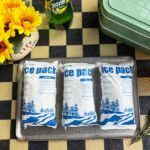
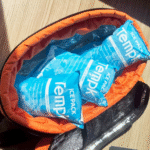
Moderate coolant pack: Better for chilled produce lanes with less freeze risk. Main limitation: Still has to match the commodity and route.
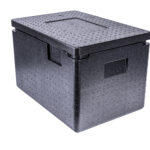
Insulated produce shipper: Helps stabilize already cooled product. Main limitation: Not a substitute for proper precooling.
Vented or breathable packaging: Supports airflow and freshness. Main limitation: Does not actively cool the load.
Build the package around the product, not the pack name
Vegetable logistics depends on what happened before the final shipper was packed. Was the product precooled? Is field heat still present? Does the product need airflow, humidity retention, or venting? The package has to support freshness, not just create a cold box.
Fresh vegetables remain biologically active after harvest. Cooling slows respiration and helps extend shelf life, but excessive cold can damage sensitive commodities. That is why the packaging goal is an even, crop-appropriate thermal environment rather than the most powerful refrigerant available.
Vegetable logistics is guided more by produce handling practice than by the kind of documentation common in pharmaceuticals, but food-safe materials, leakage control, and route-appropriate refrigerants still matter. If true dry ice is used, handling and shipping rules become more specific.
The refrigerant is only part of the answer. The package system matters just as much: insulation type, box size, internal dead space, pack placement, spacers, dividers, absorbent layers, and the starting temperature of the payload all shape the result. Two suppliers can offer similar frozen pack weights and still produce very different payload outcomes because one system manages heat flow and local cold spots better than the other. For B2B buyers, that is why a system-level conversation is usually more useful than a component-only conversation.
A practical buying framework
A practical buying framework starts with five questions. What temperature condition must the product reach at delivery? How long is the realistic door-to-door exposure? What is the hottest and coldest environment the route may see? How much packing variation can your operation tolerate? And what would failure actually look like: thawing, freezing, leakage, appearance loss, or simply excess packaging cost? When those questions are answered first, supplier recommendations become much easier to judge.
Ask for data that reflects how your operation actually works. A hold-time statement means little unless you know the payload mass, the ambient challenge, the pass-fail definition, and the conditioning method behind it. The more useful questions are how the payload behaves near the cold faces, what happens after a route delay, and whether the pack-out remains inside the intended range after repeated ambient shocks. In practice, a supplier's discipline in explaining the assumptions often tells you more than the headline performance claim.
Procurement success in cold-chain packaging often depends on consistency rather than on one impressive sample. A well-performing pilot can still fail at scale if the production film, gel fill, PCM formulation, carton dimensions, or conditioning steps drift over time. That is why supplier evaluation should cover sample-to-production consistency, change control, packing-line practicality, and storage handling in addition to pure thermal performance.
Wholesale buyers in vegetable logistics should prioritize suppliers who ask commodity-level questions. If the seller never asks whether the load is fresh or frozen, whether it is precooled, or whether it is chill-sensitive, the recommendation is probably too generic.
Are these packs intended for fresh vegetables, chilled processed vegetables, or frozen vegetables?
How does the recommendation account for commodity-specific temperature needs and chilling sensitivity?
What insulation, liners, or venting options work with your coolant in produce applications?
How do you avoid local freeze damage where the cold source sits closest to the product?
Helpful decision tools
Check the details before you choose packaging
These quick tools can help you compare route risk, sizing needs, coolant choices, and packaging details before you request a quote.
Compliance Checklist Generator
Build a practical checklist for packaging review, shipping, and documentation.
Build checklistRoute Risk Checker
Review lane conditions before selecting packaging for real operating requirements.
Check route riskInsulation Material Drop Resistance
Review drop resistance and handling factors before choosing insulation materials.
Check resistanceShould the product be precooled before packing, and how does that affect coolant sizing?
Can you support different standards for leafy greens, cut vegetables, and frozen products under one wholesale program?
What are the MOQ, lead time, and production-consistency controls for seasonal volume changes?
How do you balance freshness protection, package weight, and packaging waste across produce routes?
What drives real cost
The most expensive packaging program is often not the one with the highest unit price. It is the one that looks inexpensive until you count spoilage, re-shipments, complaint handling, extra freezer space, dimensional weight, and time lost on awkward pack-outs. In cold-chain procurement, the right system often wins by reducing operational friction as much as by protecting the payload.
Sustainability also becomes clearer when the package is correctly matched to the product. Overspecification adds weight, waste, and energy use. Underspecification adds spoilage and repeat shipments. The better path is usually to right-size the shipper, choose a refrigerant that matches the target condition, and keep the packing method simple enough to repeat accurately at scale.
Vegetable logistics is being reshaped by e-grocery, shorter inventory cycles, and stronger pressure to reduce food waste. That increases interest in packaging that supports freshness without adding unnecessary refrigerant or material and makes commodity segmentation more valuable than ever.
Before rolling out a full wholesale program, run a pilot lane that uses the final production components, not a hand-built sample. Pack the real payload, condition the coolant the same way the warehouse will do it, and test the shipment under the most realistic route conditions you can simulate. Then review not only payload temperature, but also packing speed, storage footprint, receiving condition, and the clarity of work instructions. That pilot usually tells you more about launch success than any brochure claim.
Common failure points
Treating fresh and frozen vegetables as if they need the same cold source.
Ignoring precooling and trying to fix field heat with more refrigerant in the final shipper.
Using a very cold pack directly against fresh produce.
Forgetting airflow and humidity needs when choosing the package build.
Standardizing one wholesale solution across vegetables with very different temperature sensitivities.
Operational details buyers should not skip
Operational discipline matters because the best thermal design can still fail if the warehouse cannot repeat it. In vegetable logistics, buyers should ask how the coolant is stored, how long it takes to condition, what the acceptable assembly window is once the pack leaves frozen storage, and whether the work instruction is realistic for the people actually building the shipment. A wholesale search usually points to scale: unit economics, seasonal capacity, production consistency, and packaging that works the same way across high order volumes. A packaging choice that looks efficient on paper but is awkward on the packing line often becomes an expensive program in practice.
Receiving checks also deserve attention. The product does not stop being at risk when the box leaves the warehouse. Think about what the receiver should see, touch, and record at arrival. Should they verify package integrity, look for signs of leakage or condensation, check whether the cold source is still present, or escalate if the product feels unexpectedly hard or warm? In vegetable logistics, a clear receiving rule can reduce preventable product loss because it turns vague observations into a defined response.
Storage footprint and staging time are part of the buying decision as well. Some cold packs need more freezer space, longer conditioning, or stricter first-in-first-out control than others. If a program ships at volume, that operational burden can matter almost as much as the thermal curve. The better solution is often the one your team can execute cleanly every day, not just the one that looks strongest in a single test.
Short FAQ
Can fresh vegetables be shipped with dry ice packs?
Some can, but many fresh vegetables need commodity-specific chilling rather than deep-cold exposure. The product type matters.
What matters most before choosing coolant quantity?
Whether the product is fresh or frozen, whether it is precooled, and how long the route lasts.
Is precooling still important if I use insulated packaging?
Yes. Packaging helps maintain temperature; it is not a substitute for removing field heat properly.
Why do vegetable programs often need more than one pack-out?
Because different vegetables have different ideal temperatures and different sensitivity to chilling injury.
Final takeaway
The safest way to buy a wholesale dry ice pack for vegetable logistics is to start with the product requirement and the route, not with the pack name. Once you know the target condition, transit duration, ambient risk, and packaging constraints, the right cold source becomes easier to choose and easier to scale. Buyers who treat the pack as part of a full shipping system usually get better protection, lower waste, and fewer surprises after launch.
About Tempk
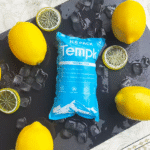
We are Tempk, a temperature-control packaging brand established in 2011. Our published product range includes ice packs, insulated bags and boxes, thermal pallet covers, insulin temperature carriers, and custom temperature-controlled packaging solutions for food and pharmaceutical applications. We focus on matching packaging formats to product sensitivity, route conditions, and practical packing needs so buyers can choose a more suitable cold-chain setup instead of relying on a generic cold source. For produce and broader food cold-chain applications, Tempk’s public portfolio of ice packs, insulated bags, insulated boxes, and custom temperature-controlled packaging is relevant when buyers need to match the cooling format and insulated structure to the product category rather than assume one cold source fits every vegetable.
Next step
List the vegetables by fresh, chilled, and frozen category before you request wholesale quotations. If you plan to buy at wholesale volume, align the pack format with labor efficiency, storage footprint, and route risk before comparing price alone.