Cooling Gel Pack Distributor: Supplier Selection Without Overclaiming
The best cooling gel pack distributor is not selected by name alone. It is selected by matching the product sensitivity, packout layout, route risk, and supplier documentation to the job the buyer actually needs to solve. For general cold-chain distribution programs, this article gives a practical supplier-selection path that avoids vague cold-chain promises and keeps the discussion grounded in what can be verified.
What a gel pack can do, and what it cannot decide
A gel pack can absorb heat, release cooling energy, and help slow temperature rise inside a package. It can also improve handling if the shape, film, and freezing process are matched to the packing line. What it cannot do is define the correct storage condition for the goods. Cooling gel packs may be used in many chilled shipments, but the required temperature range must come from the product category and route plan.
The strongest buying conversations separate product requirements from packaging capabilities. Product requirements come from the brand owner, quality team, food-safety plan, laboratory procedure, or customer specification. Packaging capabilities come from the tested packout, material choices, and supplier documentation. When those two sides are mixed together, claims become too broad.
For this reason, a buyer should be careful with phrases such as long-lasting, no-sweat, food grade, medical use, frozen delivery, or qualified. Some may be valid in a defined context, but they need supporting details. The more sensitive the shipment, the more the buyer should ask what was tested, under what conditions, and with which product load.
The useful boundary is simple: Generic stock packs are not enough when the end customer requires a specific packout, declared thermal duration, or quality documentation. That boundary protects both the buyer and the supplier because it keeps expectations tied to a real package design.
Where the pack fits in general cold-chain distribution operations
The first decision is not the pack size. It is the job the pack must perform. In general cold-chain distribution operations, buyers may use gel packs for packaging resale programs, food delivery replenishment, laboratory sample support, or other programs where a small amount of cold energy needs to travel with the product. The same physical pack can behave differently when it is placed in a thin mailer, a rigid insulated box, or a carton with fragile retail packaging.
A supplier should therefore ask about the product, the carton, the route, and the handling process before recommending a unit. If the discussion starts and ends with grams, color, or unit price, the buyer may receive a pack that looks acceptable in a sample but fails to work smoothly in the real packing line.
- Use the pack where cooling support, clean handling, and carton fit matter for general cold-chain distribution operations.
- Confirm whether the buyer needs chilled presentation, heat protection, frozen support, or only short-term cooling during handover.
- Keep the gel pack separated from direct product contact when moisture, freezing injury, label damage, or hygiene risk is possible.
- Treat supplier claims as packout claims only when the full package, payload, ambient profile, and acceptance limit are defined.
This does not make the buying process complicated for its own sake. It simply prevents a common mistake: buying a refrigerant component as if it were a complete temperature-controlled system. A distributor should avoid presenting a generic gel pack as a qualified cold-chain system unless the full packout has been tested for a specific use.
When the gel pack is not the main answer
There are situations where choosing a better gel pack will not solve the real problem. Generic stock packs are not enough when the end customer requires a specific packout, declared thermal duration, or quality documentation. In those cases, the packaging discussion should shift from unit sourcing to system design.
A full system discussion may include insulated shipper selection, coolant quantity, product pre-conditioning, pack placement, ambient profile, route duration, receiving inspection, and temperature monitoring. It may also involve the quality team, food-safety team, laboratory manager, or brand owner, depending on the goods.
This does not mean every shipment needs a complex validation program. It means the level of evidence should match the risk. A short internal handover of non-critical goods may only require a practical packout review. A sensitive medical or high-value product may require documented testing, route qualification, and monitoring.
The buyer’s job is to avoid using the same decision standard for every project. A gel pack can be a low-cost supporting component in one lane and an insufficient answer in another.
Supplier questions that actually change the quote
A useful supplier conversation should not sound like a catalog request. A catalog can show available sizes, but a real quote should reflect product fit, customization, packaging method, order pattern, and evidence behind claims. The questions below help the buyer move from vague interest to a quote that can be reviewed by operations.
- Which pack sizes should be stocked as standard SKUs?
- How will changes in film, gel, or fill weight be communicated?
- Can cartons be labeled for warehouse picking?
- What claims can the distributor safely make to end customers?
- How are leaking or damaged packs handled during receiving inspection?
- Which specification details are fixed after sample approval, and how will changes be communicated?
- What carton count, pallet pattern, and storage condition should the warehouse expect?
The strongest quotes usually state assumptions clearly. If the supplier does not know the product, route, insulation, and handling process, the quote should be treated as a component quote rather than a final performance recommendation.
For general cold-chain distribution buyers, this protects margin as well as quality. It reduces the chance of buying a pack that is cheap at the unit level but expensive after returns, repacking, freezer congestion, customer complaints, or quality review delays.
From sample request to repeat order
For bulk sourcing, the sample is only the beginning. A good sample shows shape, fill, seal, surface feel, carton fit, and basic handling. It does not prove that the production lot, the packout, or the shipping route will perform in the same way. Buyers should use samples to create a review process rather than to make an immediate full-volume decision.
Helpful decision tools
Check the details before you choose packaging
These quick tools can help you compare route risk, sizing needs, coolant choices, and packaging details before you request a quote.
Packaging Selector
Compare insulated packaging options by product, route, and temperature need.
Find packagingInsulation Material Drop Resistance
Review drop resistance and handling factors before choosing insulation materials.
Check resistanceBox Liner & Pallet Cover Sizing
Check box liner and pallet cover sizing logic for insulated packaging projects.
Estimate sizingThe sample review should include the actual product, the actual carton, the insulation or liner, and the staff who will pack the order. In many programs, the problem appears not in the meeting room but on the packing bench: frozen packs do not fit the tray, condensate touches a paper insert, packers place the coolant in different positions, or the pack takes more freezer space than expected.
A repeat-order discussion should then confirm what must stay unchanged. Fill weight, film thickness, seal width, printed text, carton count, and pallet configuration may look like small details, but changes can affect freezing, leak risk, handling, and customer perception. For distributors, this is especially important because the end customer may treat the distributor as responsible for every detail.
| Buyer check | Why it matters | How to ask the supplier |
|---|---|---|
| Product sensitivity | The required cooling level is driven by the product, not by the gel pack name. | Which pack sizes should be stocked as standard SKUs? |
| Pack geometry | Thickness, length, and flexibility affect carton fit and product pressure. | How will changes in film, gel, or fill weight be communicated? |
| Moisture and hygiene | Condensation, leakage, or surface contamination can create complaints even when the pack is cold. | Can cartons be labeled for warehouse picking? |
| Evidence behind claims | Hold time and performance statements must be tied to a packout and test condition. | What claims can the distributor safely make to end customers? |
| Scale-up control | Samples should match production units in fill, film, seal, and carton packaging. | How are leaking or damaged packs handled during receiving inspection? |
The table is not a substitute for testing. It is a way to make supplier communication specific. When a supplier can answer these points clearly, the buyer can compare more than price and avoid approving a sample that cannot be scaled.
Quality checks before scale-up
Before bulk approval, procurement should run a small but disciplined quality review. The goal is not to create unnecessary paperwork. The goal is to find problems while order size is still small and before the pack becomes part of a routine shipping process.
- Compare several samples for the same visible quality signals: stable SKU specification, carton labeling, clean palletization, sample-to-production consistency.
- Freeze samples in the same way the warehouse will freeze them, not only in a laboratory freezer with ideal spacing.
- Check the pack after freezing, after handling, and after thawing for leakage, swelling, surface residue, and seal stress.
- Place the pack in the final carton with the real product or a realistic substitute and review movement during handling.
- Record the approved sample specification so production changes can be reviewed before the next order.
- Make sure sales, packing, and receiving teams use the same words for what the pack can and cannot claim.
These checks are especially useful when the buyer is planning custom print, private label, a new carton design, or a sensitive general cold-chain distribution application. A small difference in thickness or seal style can change how the pack behaves at the packing line.
A practical scenario before bulk approval
A regional distributor sells the same cooling pack to meal-kit teams, laboratory couriers, and small food exporters, then discovers each group asks different questions after the first order. The purchasing team may first ask for a cold pack price, but the real project needs a wider review.
In this scenario, the team should place the pack in the actual carton, add the product or a representative load, freeze and stage the pack as the warehouse would, and observe what happens during packing, handling, and opening. The review should include the surface of the product package, the position of any inserts, the movement of the pack inside the carton, and the instructions given to receivers or consumers.
If the pack is intended for reuse, the review should also include what happens after delivery. Will the receiver understand that the pack is reusable? Can the surface be wiped or handled cleanly? Is there a return program, or is reuse only a customer convenience? These details affect the final specification even when the coolant itself is unchanged.
The scenario shows why a supplier quote should include more than a unit price. For general cold-chain distribution, the useful quote explains product dimensions, packing quantity, carton configuration, customization options, material choices, and the conditions behind any performance statement.
FAQ
What makes a cooling gel pack distributor suitable for bulk purchasing?
Suitability comes from fit and control. The pack should match the product, carton, insulation, route, and handling process. The supplier should also keep sample and production specifications consistent. Bulk purchasing is safer when performance claims are tied to defined conditions and when warehouse teams know how to freeze, stage, and place the packs.
When should I request testing?
Request testing when the shipment is sensitive, high-value, regulated, long, hot, frozen, or likely to face delays. Testing should use the intended package, payload, coolant configuration, and exposure profile. For low-risk internal use, a practical packout review may be enough, but the decision should match the risk level.
Can the same supplier support custom and standard packs?
Many suppliers can discuss both, but the buyer should confirm what changes when customization is added. Print, film, sleeves, pack shape, carton count, and lead planning may affect cost and function. Approve the functional specification first, then review customization as part of the same sample-to-production control process.
What should I avoid saying in my own product materials?
Avoid absolute claims such as guaranteed temperature, no condensation under all conditions, universal food safety, or medical compliance unless you have evidence for the exact packout and route. It is safer to describe the pack as a coolant component and explain the conditions under which it should be used.
Conclusion
A cooling gel pack distributor should be judged as part of a complete packaging and handling decision. The pack can add useful cooling support, improve presentation, and help a buyer build a repeatable program, but it cannot replace product requirements, route planning, insulation, or evidence behind performance claims.
For general cold-chain distribution buyers, the safest path is to define the product risk first, review the real packout, ask supplier questions that affect scale-up, and keep claims tied to the conditions that were actually checked. That approach makes procurement clearer and reduces avoidable problems after the first bulk order.
About Tempk
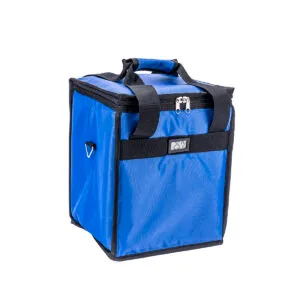
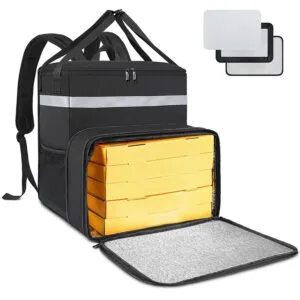
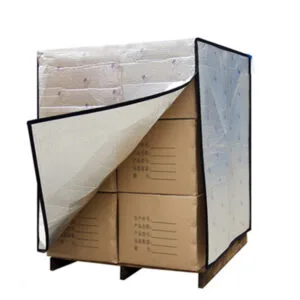
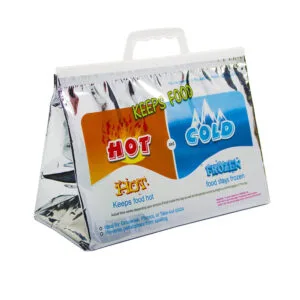
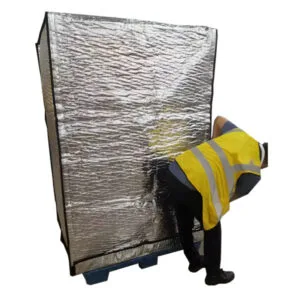
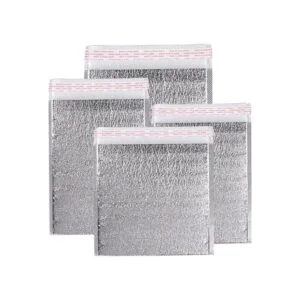
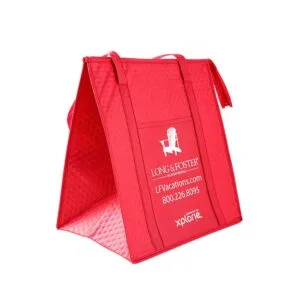
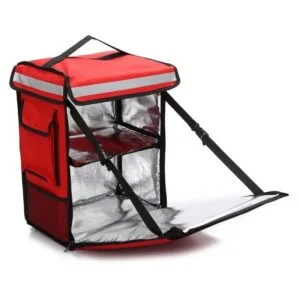
Tempk, part of Shanghai Tempk Industrial, provides cold-chain temperature-control packaging for food, medicine, and other temperature-sensitive goods. For distributor programs and repeat gel-pack replenishment, we focus on matching gel packs with the surrounding package, handling process, and buyer requirements. That may include gel ice packs, freezer ice bricks, insulated bags, EPP insulated boxes, box liners, or pallet covers, depending on the route and product being shipped.
Next step
For a more useful recommendation, send Tempk your product category, route conditions, expected order pattern, and any quality requirements that must be checked before bulk purchasing.