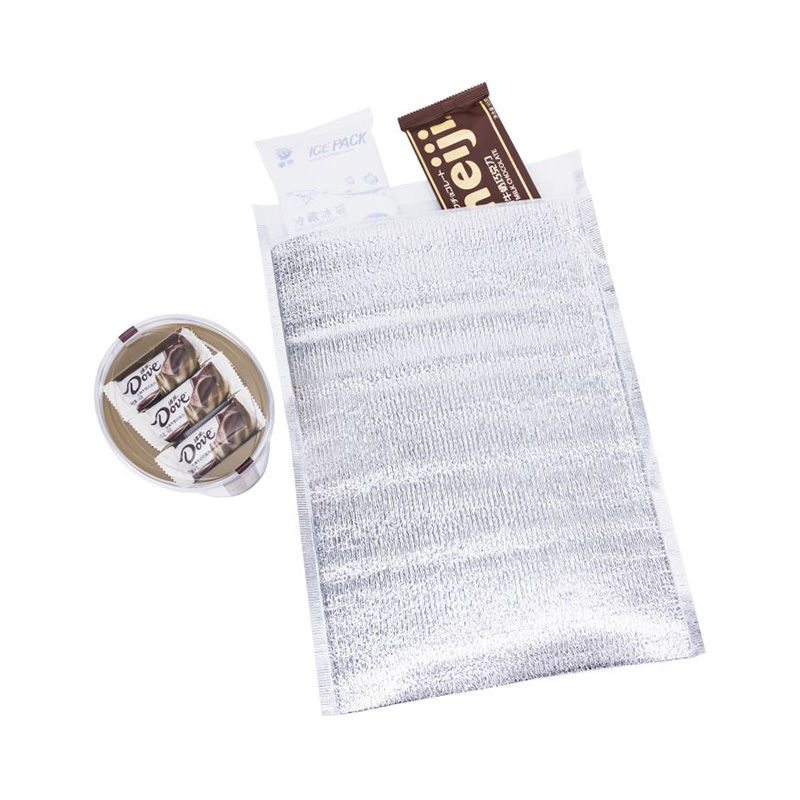
How to Choose Double Bubble Insulated Liner For Meat Shipping Without Guesswork
A double bubble insulated liner for meat shipping decision should be made from the carton outward and from the route backward. Start with the required product condition at arrival, then review transit time, ambient exposure, coolant, usable volume and how the liner will be packed at scale. The liner is one component in that system, so the safest buying approach is to ask what the liner is proven to do and what still needs sample testing.
The framework below combines product education, supplier evaluation and operational checks. It avoids treating any single material as a universal answer, because different payloads, lanes and markets create different failure points.
Start with the product condition at arrival
The most reliable buying process starts by defining what condition the product must be in when the receiver opens the carton. For food, that may involve chilled or frozen expectations and the food safety plan used by the shipper. For healthcare or clinical products, it may involve a protocol, label storage condition, GDP expectation or logistics SOP. For lower-risk goods, it may simply be protection from short-term heat exposure.
Once the arrival condition is clear, work backward through the route. How long is the parcel in transit? Where are the handover points? Is the payload pre-chilled? Will the package sit on a warm dock? Who opens it and how quickly? These questions determine whether a flexible liner is enough, whether coolant needs to be adjusted or whether a more qualified shipper should be considered.
Match the liner to carton, coolant and usable space
A double bubble insulated liner should be reviewed inside the real carton, with the real product and coolant plan. If the liner reduces usable volume too much, the packer may remove coolant, compress the product or leave the closure loose. If the liner leaves too much void, the product may shift and thermal performance may be inconsistent.
The most useful sample review is a loaded review. Measure the product, place the refrigerant, close the liner, close the carton and then inspect the result. Does the carton bulge? Does the liner tear? Does the coolant sit against the product or fall to one side? These details are easier to fix during sampling than after a purchase order has been placed.
Meat shipping turns liner mistakes into receiving problems
For meat shipping, the liner has to work with cold source, absorbent protection, leak control and fast receiving. Food safety guidance for mail-order perishables expects meat and poultry to be sent cold or frozen with a cold source and delivered quickly. The liner’s role is to slow heat gain and protect the carton, but it cannot rescue a parcel that uses too little coolant, ships too slowly or arrives at a customer who leaves it unopened.
The product state matters. Chilled meat, frozen meat, prepared foods and seafood do not create the same risk profile. A liner for a frozen parcel may need more robust coolant strategy and better moisture management than a liner for a short chilled route. If the product can leak, the buyer should also consider absorbent pads, bagging, seal integrity and carton strength.
Ask the supplier whether the liner is compatible with the chosen gel packs, dry ice alternatives or other refrigerants. If real dry ice is used, packaging, ventilation and air-transport rules require separate review.
Procurement matrix for a safer comparison
| Decision point | What to check | Why it changes the order |
|---|---|---|
| Carton and payload fit | Measure the loaded product, coolant and liner together | Prevents unusable samples and slow packing |
| Route risk | Review transit time, ambient exposure and handover points | Shows whether a simple liner is enough |
| Cold source | Define gel pack, PCM, dry ice alternative or other refrigerant | The liner does not create cooling by itself |
| Material and disposal | Clarify paper, foil, plastic, laminated or separable layers | Supports EPR, customer messaging and waste planning |
| Quotation basis | Compare same size, same style, same packing format | Avoids misleading unit-price comparisons |
| Sample approval | Inspect dimensions, seams, packing speed and loaded behavior | Reduces risk before bulk purchasing |
Use the matrix to force each supplier into the same comparison frame. If two quotes use different dimensions, material structures or packing formats, they are not real alternatives yet. Normalize the specification before negotiating price.
When a liner is not enough
A liner is not enough when the shipment requires documented performance of the full shipping system and no supporting packout evidence exists. It may also be insufficient when the route is too long, ambient exposure is high, receiving is unreliable or the product is highly sensitive to short excursions. In those cases, the buyer should consider a different insulated shipper, additional coolant, a monitored packout or a route-specific qualification approach.
Do not use a liner to replace a quality process. Temperature monitoring, receiving inspection, product release decisions and excursion review remain separate responsibilities. The liner can help reduce risk, but it does not make an unreviewed route acceptable.
Practical example: frozen meat parcel with customer delivery risk
Imagine a meat seller ships frozen steaks in a corrugated carton. The liner is fitted inside the box, frozen refrigerant is placed around the product, and the parcel enters a carrier network with several handover points. The buyer wants the lowest liner price, but the real risk appears if the parcel sits in a warm delivery vehicle or the customer opens it late.
A better sample test would load the real meat pack, the planned cold source and the actual carton. The team would check whether the liner corners close properly, whether condensation affects the carton, whether absorbent protection is needed and whether the product remains in acceptable condition at receiving under the intended service level. This is not a claim of universal hold time; it is a route-specific review method.
The final supplier discussion
Before approving a recurring order, ask the supplier to restate the specification in writing. It should include material description, finished dimensions, packing format, sample reference, tolerance approach and any quotation assumptions. If artwork or private labeling is involved, include the artwork version and approval process. If sustainability claims are involved, define the material basis and the market where the claim will be used.
Helpful decision tools
Check the details before you choose packaging
These quick tools can help you compare route risk, sizing needs, coolant choices, and packaging details before you request a quote.
Insulation Material Drop Resistance
Review drop resistance and handling factors before choosing insulation materials.
Check resistanceIce Pack Calculator
Estimate gel ice pack quantity for chilled shipments and practical route planning.
Estimate ice packsCompliance Checklist Generator
Build a practical checklist for packaging review, shipping, and documentation.
Build checklistThis final discussion is not bureaucracy. It prevents the common problem where sales, procurement, production and packing teams each understand the liner slightly differently. A clear specification reduces argument later and makes future reorder conversations much easier.
FAQ
Is a double bubble insulated liner enough for cold-chain shipping?
It can be enough for some low-risk or short routes, but it is only one part of the packout. You still need the right carton, product pre-conditioning, coolant, packing sequence, route duration and receiving process. High-value or regulated shipments may need documented qualification of the full shipping system.
Should I choose paper, foil bubble or another liner material?
Choose by route risk, product sensitivity, moisture exposure, disposal expectations and packing speed. Paper may support a clearer recycling story in some markets, while foil bubble formats may offer compact storage and fast packing. Neither should be selected on material name alone; loaded samples and route checks matter.
Can I use the same liner for chilled, frozen and ambient-protective shipments?
Not automatically. Chilled, frozen and ambient-protective shipments use different coolant strategies and acceptance criteria. A liner that works for a short chilled route may be insufficient for a frozen parcel or unnecessary for a low-risk ambient shipment. Confirm the required product condition and test the packout accordingly.
What proof should I ask for before bulk ordering?
Ask for material description, finished dimensions, production tolerance, sample photos, packing format and any test context behind thermal claims. If the product is sensitive or regulated, request evidence tied to the actual carton, coolant, payload and route profile, not a general statement.
How should I compare suppliers without overbuying insulation?
Compare the same carton, product load, coolant plan, liner format and order stage. More insulation is not always better if it reduces usable volume or slows packing. The best option is the one that delivers sufficient protection, repeatable production and practical handling for your lane.
Pilot order review before scaling
A pilot order should be treated as a controlled learning step, not as a smaller version of a full commercial launch. Check incoming liner dimensions, packed carton condition, operator comments, storage space, waste handling and any customer service feedback. If the pilot uses a different carton, coolant or carrier service than the future bulk order, mark that difference clearly. Otherwise, a buyer may approve a liner based on conditions that will not repeat during daily operations. Add one person from operations and one person from procurement to the review, because packing speed and purchasing terms often reveal different risks.
Packaging instructions reduce avoidable variation
Even a well-sized liner can perform inconsistently when packers use different loading sequences. A simple instruction sheet should show how the liner is opened, where the product sits, where coolant is placed, how the closure is folded and what the finished carton should look like. The instruction does not need to be complicated, but it turns the approved sample into a repeatable packing method. It also makes training easier when seasonal workers or third-party fulfillment teams pack the same order. If the route is reviewed later, the team can see whether the packout failed because the design was weak or because the design was not followed.
Reviewing a failed shipment without blaming the liner first
If a shipment arrives warm, crushed or wet, review the whole chain before assuming the liner was the only cause. Check product pre-conditioning, coolant state, dispatch time, carton damage, carrier delays, staging temperature and receiving behavior. A liner issue may still be present, but the corrective action is better when the team identifies whether the root cause came from material, packing, route exposure or customer handling. Keep photos of the open carton, liner position, coolant condition and product condition. Those photos help the supplier understand whether a redesign, a packing instruction update or a different service level is needed.
Total cost belongs in the same worksheet as risk
A practical comparison should place unit price beside freight cube, packing labor, sample revision time, coolant quantity, expected waste handling and the value of the payload. This helps procurement avoid a narrow saving that creates larger operating cost. The right liner is rarely the one with the most expensive material or the cheapest quote; it is the option that gives enough protection with repeatable handling. If two liners have similar cost, the one that reduces packing errors or customer confusion may be the better commercial choice. If one liner is cheaper but needs more coolant, the total cost may not really be lower.
Keep open questions visible
Some details will remain unknown until samples are tested. Keep those questions visible instead of turning them into assumptions. Open questions may include route exposure, moisture tolerance, exact usable volume, operator training, disposal messaging or whether production pieces will match the first sample. A supplier conversation becomes more productive when these points are listed before the next quotation round. This is also useful when several departments are involved. Quality may care about documentation, operations may care about packing speed, and purchasing may care about price breaks. A shared question list prevents one team from approving a liner that another team cannot use.
Receiving inspection should be simple enough to repeat
Incoming inspection does not need to be a laboratory process for every liner order, but it should be clear enough for warehouse staff to repeat. Check whether the delivered liners match the approved size, whether seams are intact, whether bundles are damaged, and whether packing marks identify the correct version. For custom projects, keep one approved sample at the packing site and one reference file for procurement. When production pieces drift from the approved version, the team can identify the issue before the liners are used in customer shipments.
Design choices should support the next reorder
Many packaging mistakes happen during reorders, not during the first sample round. A buyer may reorder from an old email, a supplier may quote a similar material, or a small artwork change may be treated as harmless. To prevent this, the specification should state which dimensions, material layers, closure details and packing formats are locked. It should also state who can approve changes. This simple discipline is especially useful for custom-size, OEM, regional or application-specific liners where small changes can affect fit and handling.
Conclusion
A reliable double bubble insulated liner for meat shipping decision comes from matching the product, route, carton, coolant and procurement stage. Do not assume a liner is sufficient because the material name sounds strong, and do not reject a practical option because it is simpler than a rigid shipper. Ask what is proven, what is still a buyer verification point and what must be tested in your own packout before scaling.
About Tempk
Tempk supports cold-chain packaging selection across liners, cooling packs, insulated bags, cooler boxes and pallet-level protection. For buyers comparing liner options, we can help turn a general request into a clearer specification: product type, carton dimensions, coolant plan, packing method and order stage. That clarity helps reduce sample revisions and makes supplier comparison more meaningful.
For a more accurate liner discussion, send Tempk your route, payload, carton drawing and target packing method, then review samples before scaling the order.