Chocolate bars look simple to ship because they are flat, sealed, and often more stackable than filled chocolates. In practice, they can still lose retail value quickly when a route includes warm trucks, direct sun exposure, long warehouse dwell time, or humid handoffs. A bar that arrives with bloom, softened edges, wrapper condensation, or dented display cartons may still be edible, but it no longer looks premium to the customer.
For brands, distributors, gift-box sellers, and online chocolate stores, the goal is not to freeze the product. The goal is to keep the chocolate bar in a stable, cool, dry environment from packing to delivery.
What makes chocolate bars different from other chocolate products
Chocolate bars usually have a lower crush risk than delicate truffles or chocolate-covered fruit, but they have a larger exposed surface area and a strong visual standard. Thin bars, molded bars, foil-wrapped bars, and sleeve-packed bars can show small temperature and handling problems very clearly.
The most common shipping risks are:
- Softening or partial melting during hot last-mile delivery
- Fat bloom after temperature cycling
- Sugar bloom when condensation forms on the wrapper or chocolate surface
- Warped bars when cartons are packed too loosely or loaded near heat sources
- Dented sleeves, cracked corners, or rubbed printing on retail packaging
- Odor absorption from strong-smelling goods during shared transport
Compared with filled chocolates, chocolate bars can often tolerate a little more carton pressure, but they still need stable cushioning and a controlled coolant layout.
Recommended temperature and humidity approach
Most chocolate bars should be shipped in a cool, dry range rather than a frozen route. A practical target for many chocolate bar routes is around 15-18 C, with the final setting confirmed by the brand's product specification, cocoa butter formulation, inclusions, and local climate.
Humidity control matters as much as temperature. When chocolate moves from a cold environment into warm, humid air, condensation can form on wrappers or cartons. That moisture can damage labels and may contribute to sugar bloom if the chocolate surface is exposed.
Before shipping, keep the finished bars and outer cartons in a stable room. Avoid packing chocolate bars immediately after they have been moved from a much colder room into a warm fulfillment area.
Pre-cooling and packing preparation
Chocolate bars should be packed only after the product, retail cartons, and insulated shipper are all stable. Pre-cooling does not mean placing the bars directly against ice packs. It means reducing route heat load before the package leaves the warehouse.
A practical preparation process:
- Hold finished bars in a cool, dry storage area before packing.
- Condition gel packs or PCM so they are cold enough for the route but not so cold that they cause moisture or cold marks.
- Keep cartons closed during packing to limit warm, humid air exchange.
- Use a divider or liner pocket so the coolant never presses directly against the chocolate sleeves.
- Close the insulated shipper quickly after loading.
This process is especially important for summer ecommerce shipments, gift shipments, and deliveries that may sit at a dock or doorstep.
Coolant placement for chocolate bars
Chocolate bars benefit from even cooling around the carton rather than intense cold from one side. Direct contact with gel packs can create condensation, carton staining, and uneven surface quality.
A Tempk packout for chocolate bars can use:
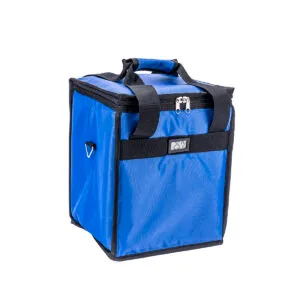
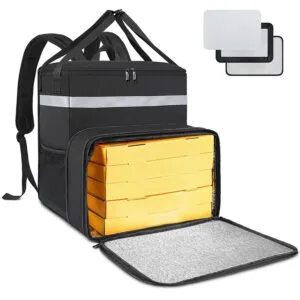
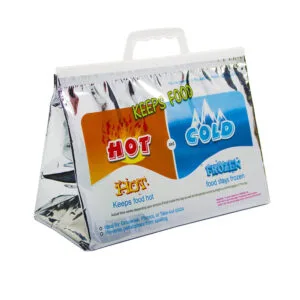
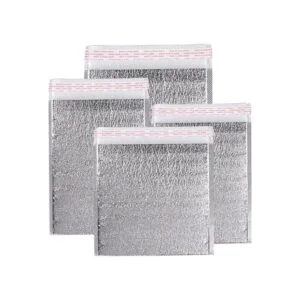
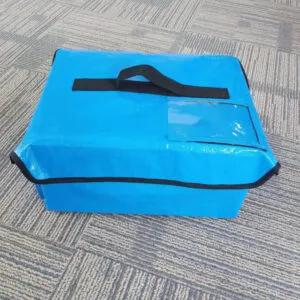
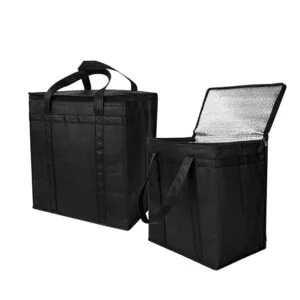
- An insulated box or insulated mailer selected by route duration
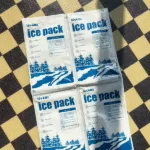
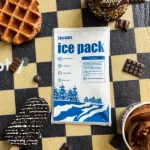
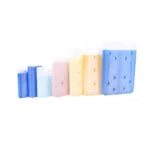
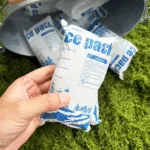
- Conditioned gel packs or PCM placed above, beside, or around the product zone
- Corrugated dividers, liner pockets, or thermal separators between coolant and retail cartons
- Void fill to prevent bars from sliding inside the shipper
- A moisture barrier or absorbent pad when the route includes humid handoffs
- A temperature indicator or data logger for validation shipments
For flat chocolate bars, the packing direction also matters. Bars should be held tightly enough to prevent sliding, but not so tightly that sleeves crease or corners crush.
Packaging pressure and carton protection
Chocolate bars are usually more stackable than truffles, but thin bars and premium retail sleeves are still sensitive to pressure marks. If a shipment includes multiple bar cartons, the packout should spread weight across the full carton face and avoid point pressure from frozen gel packs, loose inserts, or heavy outer cartons.
Helpful decision tools
Check the details before you choose packaging
These quick tools can help you compare route risk, sizing needs, coolant choices, and packaging details before you request a quote.
Insulation Material Drop Resistance
Review drop resistance and handling factors before choosing insulation materials.
Check resistancePackaging Selector
Compare insulated packaging options by product, route, and temperature need.
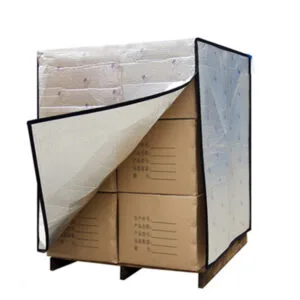
Find packagingBox Liner & Pallet Cover Sizing
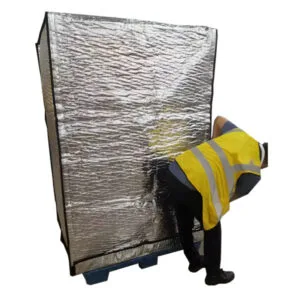
Check box liner and pallet cover sizing logic for insulated packaging projects.
Estimate sizingFor direct-to-consumer shipments, a rigid outer box is usually safer than a soft mailer in hot or long routes. For wholesale cartons, an insulated carton liner can be used when the product already has strong shelf-ready packaging.
Route duration guidance
The route should be tested against real transit time, local climate, and handoff conditions.
For routes up to 24 hours, a compact insulated shipper with conditioned coolant may be enough if the product is packed from a stable storage room.
For 24-48 hour routes, use a thicker insulation layer, a more balanced coolant layout, and a route test that includes expected warehouse dwell time.
For 48-72 hour routes or summer cross-border shipping, use a validated packout with a data logger. Avoid weekend holds and uncontrolled pickup windows where possible.
Common loss patterns to watch
If chocolate bars arrive softened near the edges, the packout may not have enough coolant capacity or insulation thickness for the route.
If the bars arrive with condensation on sleeves, the coolant may be too cold, too close to the product, or insufficiently separated from humid air.
If the bars are intact but sleeves are dented, the issue is usually mechanical: too much empty space, weak outer cartons, or point pressure from coolant packs.
If only the top layer is affected, check exposure to sun, truck roof heat, or coolant placement above the product.
Tempk packaging recommendation
For chocolate bars, Tempk can help design a packout around the shipment format:
- Insulated mailers for short local delivery and small order sizes
- EPS, EPP, or insulated carton systems for ecommerce and wholesale shipments
- Conditioned gel packs or PCM selected for the expected route temperature
- Separators that keep coolant away from retail sleeves
- Route validation with a logger before peak-season shipping
The best result comes from testing the exact carton size, bar count, route duration, and summer exposure profile before scaling the shipment.
FAQ
Can chocolate bars be shipped with regular ice packs?
They can be shipped with cold packs only when the packs are properly conditioned and separated from the product. Direct contact can create condensation, carton staining, and uneven cooling.
Should chocolate bars be frozen before shipping?
Freezing is usually not the right approach for standard chocolate bars. A cool, dry, stable route is safer for appearance, texture, and packaging quality unless the brand's own specification says otherwise.
What is the biggest packaging mistake for chocolate bars?
The most common mistake is focusing only on cold packs and ignoring humidity, carton fit, and pressure. Chocolate bars need a complete packout: insulation, coolant separation, moisture control, and movement control.
Call to Action
If your chocolate bars are shipped through warm lanes, long courier routes, or summer ecommerce channels, Tempk can review your carton size, product count, transit time, and delivery climate to recommend a tested insulated packout.