Shipping asparagus through courier, grocery, or ecommerce lanes requires a product-specific cold chain plan because freshness loss is not caused by temperature alone. Moisture, carton pressure, airflow, pre-cooling, coolant placement, and dwell time all affect arrival quality.
Asparagus needs high humidity and cold holding, but too much free water can damage cartons and create odor or decay risk. A generic fresh produce packout may keep the box cold, but it can still fail if it creates condensation, blocks vents, crushes the retail pack, or uses coolant that is too cold for the product.
Recommended cold chain range
For route planning, asparagus should be handled around 0-2 C with relative humidity around 95-100% RH. These values are planning ranges based on commercial produce storage guidance and should be checked against the supplier’s product specification, carton format, maturity stage, and destination climate.
The most important practical rule is to remove field heat before packing. An insulated shipper is designed to slow heat gain during transit; it is not a substitute for pre-cooling.
Comparison with similar fresh produce
| Product | Planning temperature | Relative humidity | Damage sensitivity | Pre-cooling | Packout priority |
|---|---|---|---|---|---|
| Asparagus | 0-2 C | 95-100% | High | Hydrocool or pre-cool | Spear tips and hydration balance |
| Mushrooms | 0-2 C | 95% | High | Pre-cool trays | Avoid wet caps and pressure marks |
| Table grapes | -1-0 C | 90-95% | Medium | Pre-cool cartons | Stems and bunch structure |
Route and packout planning table
| Route variable | Product-specific requirement | Tempk packout response |
|---|---|---|
| Temperature | 0-2 C | Select insulation thickness and conditioned coolant or PCM for the tested lane. |
| Humidity | 95-100% RH | Use separators, absorbent control, venting, or moisture barriers based on the retail pack. |
| Pre-cooling | Hydrocool or pre-cool according to supplier practice; pack only after field heat is removed. | Do not rely on the shipper to remove field heat; it should preserve the starting condition. |
| Packaging pressure | Moderate-low. Protect spear tips, prevent bending, and avoid tight band pressure. | Match carton support, void fill, and coolant position to the product’s crush sensitivity. |
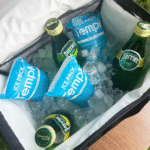
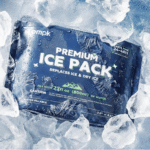
| Coolant position | Conditioned gel packs or chilled PCM around the carton with a moisture barrier; avoid loose ice in parcel packouts unless drainage is designed. | Keep coolant away from direct retail-pack contact and test the product-space temperature. |
| Transit duration | 24-48 hours for parcel and grocery delivery. Longer routes require logger checks and moisture review. | Validate the route under real dwell time, depot handling, and doorstep exposure. |
How to choose a packout for 24, 48, and 72 hour routes
| Shipment type | Packout logic | What to verify |
|---|---|---|
| Local grocery delivery | Use a chilled insulated tote or box with the spears held upright or supported. | Inspect tip quality and bend after delivery. |
| 24-hour courier | Use separated coolant, moisture control, and carton support around spear tips. | Avoid loose ice unless the packaging is built for drainage. |
| 24-48 hours | Validate temperature, carton moisture, and spear turgor under the warmest expected lane. | Check odor, tip damage, and wet carton labels. |
For longer routes, avoid solving every problem by adding more frozen gel packs. Extra coolant can create cold spots, water marks, blocked airflow, or product pressure. The better approach is to adjust insulation, coolant conditioning, separator design, carton fit, and route timing together.
Common loss patterns
The main transit losses to watch are wilting, limp spears, tough texture, tip damage, odor, wet cartons, and temperature-related decay. These issues usually come from warm dwell time, insufficient pre-cooling, poor coolant separation, crushed cartons, blocked ventilation, or condensation inside the retail pack.
Helpful decision tools
Check the details before you choose packaging
These quick tools can help you compare route risk, sizing needs, coolant choices, and packaging details before you request a quote.
Compliance Checklist Generator
Build a practical checklist for packaging review, shipping, and documentation.
Build checklistInsulation Material Drop Resistance
Review drop resistance and handling factors before choosing insulation materials.
Check resistanceBox Liner & Pallet Cover Sizing
Check box liner and pallet cover sizing logic for insulated packaging projects.
Estimate sizingWhen reviewing a failed shipment, inspect the product and the packaging together. Wet labels may indicate condensation; bruising may indicate vertical pressure; uneven temperature may indicate poor coolant placement; and good logger data with poor appearance may point to packaging pressure or humidity rather than temperature.
Tempk packaging recommendation
An insulated box or liner, high-humidity inner pack, separated coolant, tip protection, absorbent control layer, and temperature logger validation. For commercial use, the packout should be tested with the real payload weight, retail pack, carton size, route duration, and the warmest expected delivery lane.
Tempk can support packout selection with insulated boxes, insulated liners, gel packs, PCM packs, moisture-control separation layers, carton support, and route validation. The final design should protect both the target temperature range and the product’s visible retail quality.
Validation checklist before scaling
- Confirm the product’s starting pulp or product-space temperature before packing.
- Place a temperature logger near the product, not only against the outer wall of the shipper.
- Run the test through the actual delivery lane, including pickup, depot dwell, van loading, and doorstep time.
- Inspect moisture, odor, bruising, stem or tip condition, carton strength, label condition, and retail-pack appearance after unpacking.
- Repeat validation when season, carrier, carton count, payload weight, or delivery time changes.
Information to send before requesting a packout
To recommend a practical Tempk packout, share the product weight per shipment, retail pack type, carton dimensions, starting temperature, target route duration, destination climate, maximum expected ambient temperature, and whether the shipment is parcel, grocery delivery, air freight, or local courier.
Data basis
The planning ranges above are based on USDA-ARS Agriculture Handbook 66 commodity storage guidance, common postharvest handling practice, and Tempk insulated packout validation methods. Final shipment settings should be confirmed by live route testing.
Call to action
If you ship asparagus through warm courier, grocery, or ecommerce lanes, Tempk can review your payload, carton size, delivery time, and climate exposure to recommend an insulated packout for testing.