Pork chops shipments need a packaging plan that protects both temperature and physical package condition. For meat and poultry delivery, the most useful cold chain plan is built around the actual product form, primary packaging, route length, and receiving rules.
Pork chops are often tray-packed or vacuum packed, and bone edges can create packaging failures before temperature failure appears.
The best packout separates coolant from the retail film and protects the primary package from direct compression.
For mixed meat boxes, pork chops should not sit under dense frozen products or sharp bone-in cuts without a divider.
Cold chain planning data
| Temperature window | 0-4 C chilled; avoid freezing contact unless the pork chops are sold frozen. |
|---|---|
| Humidity or moisture | Use a dry shipping cavity and absorbent layer to manage purge without wetting the outer carton. |
| Pre-cooling | Pre-cool sealed pork chop trays or vacuum packs to the dispatch target before closing the shipper. |
| Packaging pressure | Protect bone-in cuts from puncturing liners or adjacent packs; keep carton stacking pressure off tray corners. |
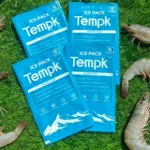
| Coolant placement | Use perimeter and top gel packs with cardboard or liner separation; place extra coolant near lid heat gain for parcel lanes. |
| Transit duration | 24-72 h depending on carton mass, season, courier dwell, and destination receiving window. |
| Common losses | Film puncture, purge leaks, tray cracks, grey surface color, warmed top layer, and wet master cartons. |
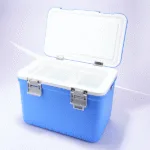
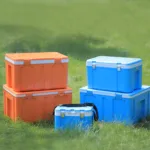
| Suitable Tempk packout | Tempk insulated carton with reinforced liner, absorbent sheet, gel pack map, and optional corner protection for bone-in packs. |
Recommended packout approach
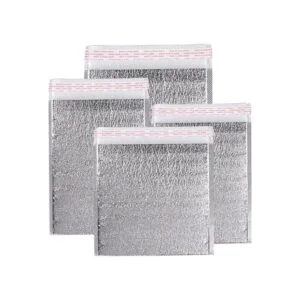
Start with product that is already within the dispatch temperature range. An insulated shipper should not be expected to pull warm meat down to target temperature during transit. Use a leak-resistant liner, absorbent material, and a coolant map that keeps cold mass close enough to control heat gain while preventing direct pressure or freezing contact on retail packs.
Helpful decision tools
Check the details before you choose packaging
These quick tools can help you compare route risk, sizing needs, coolant choices, and packaging details before you request a quote.
Ice Pack Calculator
Estimate gel ice pack quantity for chilled shipments and practical route planning.
Estimate ice packsBox Liner & Pallet Cover Sizing
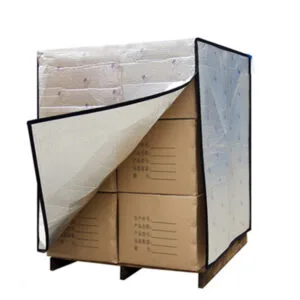
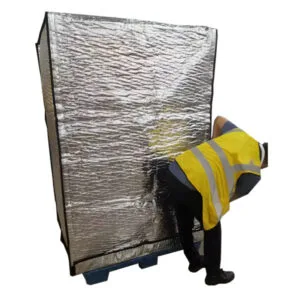
Check box liner and pallet cover sizing logic for insulated packaging projects.
Estimate sizingDry Ice Calculator
Estimate dry ice needs for frozen or ultra-cold shipments before packing.
Estimate dry iceFor chilled routes, gel packs are usually positioned around the sidewalls and lid because the top panel and outer walls see the largest heat load during parcel handling. For frozen programs, the lane should be validated separately because dry ice, frozen gel packs, labeling, ventilation, and carrier acceptance rules change the packout. Do not mix chilled and frozen assumptions in the same qualification test.
Quality checks before release
Before using the packout commercially, run a route validation with the same shipper size, product weight, coolant mass, season, and courier service. Check product temperature at arrival, carton dryness, primary package integrity, odor, label condition, and whether coolant shifted into direct contact with the product.
For Tempk packaging selection, the usual starting point is an EPS or high-performance insulated box, a sealed liner, an absorbent base, and pre-conditioned gel packs. The final coolant mass should be adjusted after a lane test rather than chosen only from carton volume. This helps the receiving team see a practical difference between a stable cold chain and a package that is merely cold when it leaves the warehouse.
Reference basis
Temperature assumptions are aligned with widely used refrigerated food guidance that keeps perishable foods at 40 F / 4 C or below and frozen programs at 0 F / -18 C or below. For meat and poultry, always validate against the shipper’s own product specification, carrier lane, and destination receiving requirements.