How 24 Hour Dry Ice Packs Keep Cold Chain Shipments Frozen for a Day
The world of cold chain logistics relies on dependable refrigeration to keep products safe. 24 hour dry ice packs maintain subzero temperatures without creating puddles because they sublimate from solid carbon dioxide directly to gas. This guide explains how these ultracold packs work, how to size them correctly, and what you need to stay compliant in 2025. You’ll learn why they outperform gel packs, how much dry ice you need for a daylong journey, and how emerging technologies are making shipping safer and greener.

How do 24 hour dry ice packs work and why are they superior to gel packs?
How do you choose, size and pack 24 hour dry ice packs for different shipments?
What safety and regulatory rules must you follow when using 24 hour dry ice packs?
How can sustainable practices and 2025 innovations improve your cold chain operations?
What Are 24 Hour Dry Ice Packs and How Do They Work?
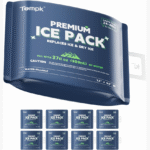
24 hour dry ice packs consist of pellets or slices of solid carbon dioxide sealed in vented packaging that releases gas as the dry ice warms. Because dry ice sublimates at around –78.5 °C, these packs maintain ultracold temperatures for 24–72 hours without melting. Unlike gel packs, which thaw at 2–8 °C and leave water behind, dry ice keeps shipments completely frozen and dry. The main keyword appears early to highlight the subject, and understanding sublimation sets the stage for the rest of this article.
Shipping frozen meat, seafood, vaccines or biologic samples requires reliable cold. Dry ice packs deliver colder temperatures than gel packs because CO₂ absorbs more heat when changing state. Each pack holds pellets that turn into gas, absorbing warmth and keeping your goods at –78.5 °C for up to three days. Gel packs, by contrast, maintain chilled conditions around 2–8 °C. Since dry ice produces no liquid, packages stay dry and there is no condensation or soggy packaging. This makes 24 hour dry ice packs ideal for shipments that must remain completely frozen during transport.
Understanding Sublimation: Why Dry Ice Doesn’t Melt
Dry ice is carbon dioxide in solid form. Instead of melting like water ice, it sublimates – it turns directly into gas. This process occurs at –78.5 °C, which is why dry ice packs are so cold. Sublimation means there is no liquid runoff to damage packaging or leak onto products. Because the gas is heavier than air, you should place dry ice packs above your goods so the cold air can sink and circulate.
| Cooling method | Temperature range | Typical duration | What it means for you |
| Mini dry ice sheet | –78.5 °C to –18 °C | 24–48 h | Ideal for pharmaceuticals or biologics that require ultralow temperatures; prevents moisture |
| Disposable dry ice pack | –78.5 °C | Up to 72 h | Maintains frozen meats, seafood or vaccines; singleuse convenience and no melting water |
| Gel pack (2–8 °C) | 2–8 °C | Up to 48 h | Keeps produce or medicines cool without freezing; reusable but may leak |
| Traditional water pack | ≈ 0 °C | 24–36 h | Cheapest for short journeys; limited thermal mass and produces meltwater |
Practical Tips and Recommendations
Hydrate and freeze properly: Activate dry ice sheets by hydrating the polymer cells and freezing them for at least 24 hours.
Prechill your products: Freezing or chilling goods before packing reduces the heat load and extends cooling duration.
Use larger sheets for longer trips: Bigger packs contain more CO₂ and last longer.
Place packs on top: Cold air sinks, so position dry ice above your products; for long routes, surround goods with packs and combine them with phasechange materials (PCMs).
Monitor temperature: Employ data loggers or IoT sensors to track internal temperatures and adjust the number of packs.
Actual case: A pharmaceutical company shipping 8 lb of frozen vaccine vials from Los Angeles to Chicago used an 8 lb 24 hour dry ice pack and added 30 % extra dry ice for summer conditions. By prefreezing the vials to –20 °C and using vacuum insulated panels, the shipment remained below –70 °C for 72 hours.
Sizing and Packing 24 Hour Dry Ice Packs: How Much Do You Need?
The right quantity of 24 hour dry ice packs depends on product weight, transit time, insulation quality and ambient temperature. A simple rule of thumb is a 1:1 ratio of dry ice weight to product weight for 48hour shipments. For a 24hour trip, you can often use slightly less, but factors like summer heat or complex routes may require extra packs. For shipments longer than two days, a 1.5:1 ratio is recommended.
Experts also recommend estimating sublimation loss. Dry ice sublimates at a rate of about 5–10 lb per 24 hours in a wellinsulated container. Mercury, a logistics provider, suggests using 5–10 lb of dry ice per day for items weighing up to 12.5 lb; a twoday shipment requires at least 20 lb. Selecting good insulation can extend pack life by reducing sublimation losses.
When calculating your needs, consider route complexity and insulation upgrades. Adding 25–35 % extra dry ice during summer or when delays are expected ensures sufficient cooling. Upgrading to vacuum insulated panels can reduce required dry ice by 10–25 %. Filling void spaces with foam or paper also reduces sublimation. Hybrid packouts combining dry ice with PCMs buffer temperature fluctuations and extend duration beyond 72 hours.
Weight Calculator: How Many Pounds of Dry Ice for 24 Hours?
Use this chart to estimate how much dry ice you need for various payloads and durations. The figures are derived from an industry dry ice calculator and assume good insulation. Values represent total dry ice weight, placed on top of the load; for larger loads the table suggests splitting between top and bottom layers.
| Payload weight (lb) | Dry ice for <12 h (lb) | Dry ice for 24–48 h (lb) | Dry ice for 48–72 h (lb) | Practical meaning |
| 5 | 3 | 5 | 10 | 5 lb payloads need about 5 lb of dry ice for a day; double for longer trips |
| 10 | 5 | 10 | 15 | Use a 1:1 ratio for up to two days, and 1.5:1 for 72 hours |
| 15 | 8 | 15 | 23 | Add extra for midsize loads; ensure venting when using >20 lb |
| 20 | 10 | 20 | 30 | Larger cargo needs proportionally more dry ice to stay frozen over long distances |
| 30 | 10 (top) + 5 (bottom) | 20 (top) + 10 (bottom) | 30 (top) + 15 (bottom) | Splitting dry ice between top and bottom ensures uniform cooling for heavy shipments |
| 40 | 15 (top) + 5 (bottom) | 25 (top) + 15 (bottom) | 40 (top) + 20 (bottom) | Heavy freight may require up to 40 lb for 72 hours; plan for handling and regulatory limits |
Practical Sizing Tips and Advice
Assess product weight and temperature requirements: Determine whether your goods must stay at –70 °C, –20 °C or 2–8 °C, and adjust dry ice weight accordingly.
Consider route complexity and transit duration: Add 10–15 % more dry ice for multihandoff routes or potential delays.
Upgrade insulation to reduce weight: Vacuum panels or reflective liners can lower dry ice requirements by up to 25 %.
Use hybrid packouts: Combining dry ice with PCMs helps buffer temperature swings and extends cooling to 72 hours or more.
Precondition and prefreeze: Chill products and packaging before assembly to reduce initial heat load.
Real world example: A seafood exporter replaced water ice with small dry ice slices and vented boxes. By matching the dry ice weight to the product weight and filling voids, they reduced shipment weight by 30 % and kept fish fillets frozen for 48 hours without leaks.
Choosing Between 24 Hour Dry Ice Packs and Gel Packs: Which Is Better?
Deciding between 24 hour dry ice packs and gel packs depends on the temperature your product requires and how long it must stay cold. Dry ice packs maintain –78.5 °C and are ideal for frozen goods, while gel packs keep items between 2–8 °C and are best for chilled products. For example, frozen meat or vaccines must remain well below zero; chocolates and injectable medicines only need refrigeration..
Gel packs are waterbased and melt around 0 °C, so they cannot sustain deepfreeze conditions. However, gel packs protect products that must not freeze. They also help supplement dry ice: combining gel packs and dry ice slows sublimation and extends cooling. When selecting a cooling method, consider product sensitivity, shipping duration, cost and customer experience. Dry ice is regulated as a hazardous material and requires handling training, while gel packs are unregulated and simpler for end users.
Comparing Dry Ice Packs and Gel Packs: Pros and Cons
| Attribute | Gel packs | Dry ice packs | What it means for you |
| Temperature range | Near 0 °C | Around –78.5 °C | Use gel packs for chilled items and dry ice packs for frozen goods |
| Duration | 12–24 h (standard) | 12–24 h per pack; longer with blocks | Dry ice lasts longer in insulated containers |
| Residue | Melts to water | Sublimates to gas | Dry ice prevents soggy packages and condensation |
| Handling | Non hazardous | Requires gloves and venting | Dry ice demands training; gel packs are easier to handle |
| Regulation | Not regulated | Class 9 hazardous material | You must follow packaging, labeling and transport rules for dry ice |
When to Choose Each Cooling Method
Frozen goods (meat, seafood, vaccines): Choose 24 hour dry ice packs to maintain ultralow temperatures. Equal weight of dry ice and product can keep items frozen for up to 48 hours.
Chilled goods (produce, chocolate, pharmaceuticals): Use gel packs when you need to keep products between 2–8 °C and prevent freezing.
Mixed shipments (meal kits): Separate compartments with dry ice for frozen components and gel packs for chilled items.
Customer comfort: If your customers are unfamiliar with dry ice, gel packs may be safer and simpler to dispose of; always include clear instructions when sending dry ice to end users.
Practical scenario: A meal kit company used a hybrid approach—placing dry ice packs around frozen proteins and gel packs beside vegetables. This combination kept all ingredients within their proper temperature ranges and reduced confusion for customers.
Safe Handling and Regulatory Considerations for 24 Hour Dry Ice Packs
Dry ice is extremely cold and is classified as a hazardous material (UN 1845), so proper handling is essential. Wear insulated gloves, safety goggles and long sleeves to prevent frostbite. Never handle dry ice with bare hands; skin contact can cause severe injury. Because dry ice releases large volumes of CO₂ gas as it sublimates, packages must be vented to prevent pressure buildup and avoid asphyxiation.
Regulatory agencies require that packages containing dry ice display a Class 9 hazard label and indicate the net weight. Many airlines limit dry ice quantities to about 5.5 lb (2.5 kg) per package and require proper documentation. In the United States, shipments over 5.5 lb must comply with Title 49 of the Code of Federal Regulations; international shipments must follow IATA rules. Gel packs are not regulated and require no special labels.
Safety Checklist for 24 Hour Dry Ice Packs
| Safety measure | Description | Why it matters |
| Wear protective gear | Use thick gloves, goggles and long sleeves | Prevent frostbite and eye injury when handling dry ice |
| Vent containers | Never seal dry ice in an airtight box; use vented lids or punch small holes | Prevents pressure buildup and CO₂ accumulation |
| Label and document | Mark packages with UN 1845 labels and net weight | Ensures compliance with shipping regulations |
| Provide instructions | Inform recipients about dry ice handling and disposal | Reduces risk of injury and ensures safe enduser experience |
| Respond to frostbite | If contact occurs, remove clothing not frozen to the skin and immerse the area in warm water (below 40 °C) | Promotes proper first aid and minimizes damage |
Regulatory Guidance and Weight Limits
Weight limits: Nonmedical shipments containing more than 5.5 lb of dry ice must follow Title 49 CFR or IATA rules. Shipments below this threshold require minimal markings.
Helpful decision tools
Check the details before you choose packaging
These quick tools can help you compare route risk, sizing needs, coolant choices, and packaging details before you request a quote.
Packaging Selector
Compare insulated packaging options by product, route, and temperature need.
Find packagingCompliance Checklist Generator
Build a practical checklist for packaging review, shipping, and documentation.
Build checklistRoute Risk Checker
Review lane conditions before selecting packaging for real operating requirements.
Check route riskDocumentation: Provide Material Safety Data Sheets (MSDS) or safety instructions to recipients.
Transport: Ventilate vehicles and avoid carrying dry ice in sealed passenger compartments.
Disposal: Let remaining dry ice sublimate outdoors; never dispose of it in sinks or trash cans where the extreme cold can damage fixtures.
Environmental Impact and Sustainability of 24 Hour Dry Ice Packs
Dry ice is essentially recycled CO₂, produced by capturing carbon dioxide from industrial processes such as ammonia synthesis or ethanol production. This means the CO₂ used in dry ice is repurposed rather than newly emitted. As the dry ice sublimates, it releases CO₂ gas back into the atmosphere, so efficient use reduces the overall footprint.
Sustainability depends on using the right amount and improving insulation. Vacuum insulated panels or reflective liners reduce dry ice consumption, which cuts both cost and CO₂ emissions. Hybrid systems combining dry ice with phasechange materials or gel packs extend cooling without increasing CO₂ output. In 2025, reusable dry ice packs are emerging; these can be refilled hundreds of times and reduce waste by 20 %.
Sustainable Best Practices with 24 Hour Dry Ice Packs
Source recycled CO₂: Choose dry ice suppliers that produce their product from captured CO₂.
Optimize pack quantity: Use just enough dry ice by calculating your needs and upgrading insulation.
Combine cooling methods: Hybrid packouts reduce the amount of dry ice required and lower emissions.
Consider reusable packs: Emerging reusable dry ice packs can be replenished, saving money and reducing waste.
Educate customers: Provide clear disposal instructions so recipients let dry ice sublimate outdoors rather than in enclosed spaces.
| Sustainability measure | Description | Benefit |
| Recycled CO₂ production | Dry ice made from CO₂ captured from industrial processes | Reduces reliance on virgin fossil fuels |
| Insulation upgrades | Vacuum panels, reflective liners or foam fillers | Lower dry ice consumption and CO₂ release |
| Hybrid cooling systems | Combining dry ice packs with PCMs or gel packs | Extends cooling duration without adding more dry ice |
| Reusable dry ice packs | Packs designed to be refilled and reused hundreds of times | Cuts waste and longterm costs by up to 20 % |
2025 Trends: Innovations in 24 Hour Dry Ice Packs
The cold chain industry is evolving rapidly. In 2025, 24 hour dry ice packs are benefitting from smart sensors, blockchain traceability and greener materials. IoT temperature loggers and cloudbased monitoring allow shippers to track the internal temperature of packages in real time and receive alerts if temperatures rise. Blockchain systems ensure chainofcustody documentation, enhancing transparency and compliance. Reusable dry ice packs and hybrid cooling systems are becoming mainstream, reducing waste and costs.
Latest Progress Overview
Smart monitoring: Data loggers integrated with 24 hour dry ice packs transmit temperature and location data, enabling proactive interventions when deviations occur.
Reusable packs: Innovations in materials allow dry ice packs to be refilled dozens or even hundreds of times, cutting pershipment cost and lowering CO₂ emissions.
Hybrid solutions: Combining dry ice with phasechange materials (PCMs) and gel packs creates multitemperature compartments in a single shipment.
Blockchain tracking: Digital ledgers record every handoff, ensuring regulatory compliance and preventing tampering. This builds trust in the cold chain.
Sustainable production: Manufacturers increasingly produce dry ice from captured CO₂ and adopt biodegradable packaging to reduce environmental impact.
Market Insights
The global cold chain refrigerants market is projected to grow from about US$1.69 billion in 2025 to US$2.92 billion by 2032. This growth reflects rising demand for temperaturecontrolled logistics across food, pharmaceuticals and biotech. Dry ice remains a critical refrigerant because it provides ultracold conditions that gel packs cannot achieve. Meanwhile, the broader cold chain market could exceed US$1.6 trillion by 2033. Investing in sustainable and smart 24 hour dry ice pack solutions positions you to benefit from this expanding market.
Frequently Asked Questions
How long do 24 hour dry ice packs last?
24 hour dry ice packs are designed to keep products frozen for at least a full day. In a wellinsulated container, dry ice sublimates at about 5–10 lb per 24 hours. Larger packs or blocks can maintain ultracold temperatures for up to 72 hours.
How much dry ice should I use for a 24hour shipment?
Use roughly equal weight of dry ice to product weight for shipments under 48 hours. For example, a 10 lb payload typically requires 5–10 lb of dry ice for one day. Adjust for ambient temperature and insulation quality.
Are 24 hour dry ice packs safe to use?
Yes, when handled properly. Always wear insulated gloves and safety goggles, keep packages vented and label them with UN 1845 hazard warnings. Follow weight limits to comply with regulations.
Can I reuse a 24 hour dry ice pack?
Traditional disposable packs are singleuse. However, reusable dry ice packs are emerging in 2025 that can be refilled hundreds of times, saving money and reducing waste.
What is the difference between dry ice and gel packs for overnight shipping?
Dry ice maintains –78.5 °C and keeps products frozen, while gel packs maintain 2–8 °C for chilled goods. Dry ice is regulated as a hazardous material and requires venting and labeling; gel packs are nonhazardous and easier to handle.
Summary and Recommendations
In this guide you learned that 24 hour dry ice packs work by sublimating solid carbon dioxide, providing ultracold temperatures without messy meltwater. You discovered that sizing these packs depends on product weight, transit duration and insulation, with a 1:1 dry icetopayload ratio serving as a starting point. You compared dry ice packs to gel packs, seeing that dry ice is best for frozen goods while gel packs suit chilled items. Safety guidelines remind you to wear protective gear, vent containers and comply with regulations. Sustainability initiatives, such as using recycled CO₂ and hybrid cooling systems, reduce environmental impact.
Actionable Next Steps
Calculate your needs: Use the weight chart to estimate how many 24 hour dry ice packs you need for your next shipment. Factor in product weight, transit time and ambient temperature.
Upgrade insulation: Evaluate whether vacuum insulated panels or reflective liners can reduce dry ice consumption by up to 25 %.
Train your team: Educate staff on safe handling, labeling and disposal of dry ice to prevent accidents and ensure compliance.
Explore reusable options: Investigate reusable dry ice packs and hybrid packouts to lower costs and improve sustainability.
Monitor shipments: Implement IoT sensors or data loggers to track temperature and receive alerts when intervention is needed.
About Tempk
Tempk specializes in innovative cold chain packaging. We design and manufacture 24 hour dry ice packs, gel packs, insulated bags and highperformance box liners. Our products leverage recycled CO₂ and advanced insulation to provide reliable, ecofriendly cooling. With decades of experience and an R&D center focused on sustainable materials, we help customers ship perishable goods safely while reducing waste and cost. By choosing Tempk, you gain access to customized solutions, technical support and the latest cold chain innovations.
Call to Action
Ready to optimize your cold chain? Contact Tempk today for a personalized consultation or explore our range of dry ice packs and insulated packaging solutions. Our team will help you choose the right products, calculate your dry ice needs and implement sustainable practices.