Butter looks stable because it is dense and high in fat, but warm parcel routes can still create visible softening, wrapper staining, oiling-off, and shape deformation. A butter packout should protect temperature, carton condition, odor exposure, and block geometry. This is especially important for premium cultured butter, imported retail packs, bakery ingredient kits, and mixed chilled grocery boxes.
Butter cold chain planning data
| Typical target range | 0-4 C for chilled retail butter; frozen butter routes need a separate frozen validation plan. |
|---|---|
| Humidity and condensation | Control moisture so foil wrap, paperboard, labels, and multipack sleeves do not soften or stain. |
| Pre-cooling | Pre-cool butter blocks and cartons before loading; warm butter can deform before the gel pack stabilizes the box. |
| Packaging pressure | Use rigid cartons or sleeves to stop corner dents, wrapper marks, and block deformation under coolant weight. |
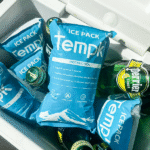
| Coolant position | Place gel packs around the payload with a flat barrier. Avoid direct hard frozen contact that can crack wrappers or create wet marks. |
| Transit duration | Suitable for validated 24-72 h chilled parcels depending on butter mass, carton count, shipper size, and ambient profile. |
| Common losses | Softening, oiling-off, odor pickup, wrapper staining, carton crush, and flavor damage from nearby aromatic goods. |
| Tempk packaging fit | Insulated shipper, conditioned gel packs, moisture barrier, rigid insert, odor separation, and temperature logger validation. |
Why butter differs from milk and yogurt
Butter is less fragile than liquid dairy, but it is sensitive to heat and pressure in a different way. Milk and yogurt need leak and cup-lid protection; butter needs shape protection and odor separation. If a frozen gel pack sits directly on a paper-wrapped butter block, the surface can collect moisture and transfer marks. If the route is too warm, the butter can soften, lose square edges, and arrive with oil spots on the wrapper.
For chilled butter shipments, pre-cool the product and use a shipper that holds cartons flat without allowing heavy gel packs to press into the product. Add a moisture barrier between coolant and butter, then use a rigid insert or tight carton stack to keep blocks from shifting. When butter ships with seafood, meat, cheese, or aromatic food, keep it in a sealed inner bag or separate cavity to reduce odor pickup.
Helpful decision tools
Check the details before you choose packaging
These quick tools can help you compare route risk, sizing needs, coolant choices, and packaging details before you request a quote.
Dry Ice Calculator
Estimate dry ice needs for frozen or ultra-cold shipments before packing.
Estimate dry iceInsulation Material Reference
Compare insulation material choices for different cold chain packaging needs.
Compare materialsBox Liner & Pallet Cover Sizing
Check box liner and pallet cover sizing logic for insulated packaging projects.
Estimate sizingRecommended Tempk packout approach
Tempk would normally use a compact insulated box or EPS shipper, conditioned gel packs, a flat protective barrier, and a carton support insert. For premium retail packs, the validation should include edge shape, wrapper dryness, odor check, and arrival temperature. For bakery or foodservice butter, the packout can be more payload-dense, but it still needs temperature logging and a loading pattern that prevents top-load damage.
FoodSafety.gov gives cold storage guidance at 40 F (4 C) or below for refrigerated foods, and the FDA Food Code is used as a retail food protection model. For commercial shipping, those references are starting points. The final packout should be validated with the exact butter format, pallet or parcel route, ambient profile, coolant conditioning, and receiving standard.