Chilled cream is a high-moisture dairy product with a short quality window. A good packout must hold the product cold, protect the cap or carton seal, and keep the retail surface dry enough for grocery, meal-kit, bakery, and foodservice receiving teams. The goal is not simply to add more coolant. The packout should reduce heat gain without freezing the product wall, crushing the container, or creating condensation that weakens labels and cartons.
Cream cold chain planning data
| Typical target range | 0-4 C for chilled cream routes; use the producer's own release range when it is stricter. |
|---|---|
| Humidity and condensation | Keep bottles and cartons dry; cream cartons can soften when condensation sits under a gel pack or on the top panel. |
| Pre-cooling | Pre-cool cream and the insulated shipper before packing. Do not rely on the shipper to pull warm product down after loading. |
| Packaging pressure | Use dividers or sleeves so bottle shoulders, caps, cartons, and tamper seals are not compressed by coolant mass. |
| Coolant position | Use side and top placement with a dry barrier. Avoid direct frozen pack contact against thin plastic bottles or gable-top cartons. |
| Transit duration | Best for validated 24-48 h parcel and grocery routes; longer routes need a larger shipper, added coolant, or refrigerated line-haul. |
| Common losses | Sour odor, separation, carton sweating, cap leakage, bottle deformation, and warm arrival after doorstep dwell. |
| Tempk packaging fit | Insulated box or EPS shipper, conditioned gel packs, absorbent liner, upright dividers, and a route logger for seasonal validation. |
Why cream needs its own packout
Cream warms faster than dense frozen foods and has a visible quality penalty when temperature control is weak. Temperature abuse can shorten shelf life, while rough handling can loosen caps, open gable seams, or create small leaks that damage the rest of the shipment. Unlike cheese, cream usually travels as liquid in bottles or cartons, so upright loading, void fill, and cap protection matter as much as temperature.
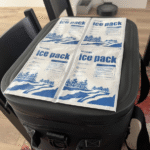
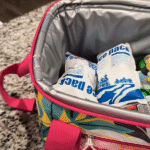
For chilled parcel routes, start with product that has already been pre-cooled in cold storage. Load the cream into a chilled insulated shipper with gel packs conditioned for the selected target range. Place coolant around the payload, not directly against thin container walls. Add a dry barrier between coolant and retail packs, then use dividers or a snug tray to prevent cap-to-wall impact during sorting and delivery.
Helpful decision tools
Check the details before you choose packaging
These quick tools can help you compare route risk, sizing needs, coolant choices, and packaging details before you request a quote.
Coolant & PCM Reference
Compare coolant and PCM options when a route needs added temperature support.
Compare optionsBox Liner & Pallet Cover Sizing
Check box liner and pallet cover sizing logic for insulated packaging projects.
Estimate sizingInsulation Material Drop Resistance
Review drop resistance and handling factors before choosing insulation materials.
Check resistanceRecommended Tempk packout approach
Tempk would normally begin with an insulated box or EPS shipper sized to the product count, a gel pack layout matched to the route duration, and an absorbent liner or moisture-control layer. For small DTC shipments, a compact payload cavity helps hold cream upright and limits movement. For grocery subscription shipments, the packout should separate cream from produce or dry goods and protect the cap from top-load pressure.
Validation should include a product simulator or live product load, a calibrated temperature logger inside the payload zone, and receiving checks for temperature, carton dryness, leakage, odor, and visible separation. Test summer routes and doorstep dwell before scaling. FoodSafety.gov lists refrigerator storage at 40 F (4 C) or below, and FDA Food Code references support using temperature control for safety foods as a core handling principle. Commercial release decisions should still follow the product owner’s specification, local rules, and the actual route test result.