Crab Cold Chain Packaging Guide for Seafood Delivery
Cold chain packaging guide for crab shipments, covering live or cooked chilled handling, moisture, ventilation, pressure protection, coolant placement, route duration, common losses, and Tempk packout selection.
Why crab need a specific seafood packout
Crab shipments vary by state. Cooked crab behaves like a chilled seafood pack, while live crab needs cool humid handling and protection from freezing and crushing. Seafood packaging has to protect temperature and visible receiving quality together. A parcel can arrive cold but still fail if it leaks, smells warm, crushes delicate product, or wets the outer carton.
The packout should start from a cold product, use a seafood-safe inner liner, keep coolant separated from the seafood pack, and include receiving checks for temperature, odor, drip, texture, and carton condition.
Helpful decision tools
Check the details before you choose packaging
These quick tools can help you compare route risk, sizing needs, coolant choices, and packaging details before you request a quote.
Insulation Material Reference
Compare insulation material choices for different cold chain packaging needs.
Compare materialsInsulation Material Drop Resistance
Review drop resistance and handling factors before choosing insulation materials.
Check resistanceCompliance Checklist Generator
Build a practical checklist for packaging review, shipping, and documentation.
Build checklistPackout requirement table
| Cold chain factor | Crab requirement |
|---|---|
| Target temperature | 0-4 C for cooked chilled crab; live crab requires cool, humid, non-freezing handling |
| Humidity and condensation | High. Keep cooked crab packs leak controlled; keep live crab cool and humid without standing water |
| Pre-cooling | Pre-chill cooked crab; stage live crab cool before packing |
| Packaging pressure | High for shells and claws; avoid crushing by coolant or other seafood packs |
| Coolant position | Place gel packs around the product zone with a separator; avoid direct freezing contact |
| Transit duration | Same-day or next-day preferred for live crab; validated 24-48 h chilled lanes for cooked packs |
| Common losses | Shell breakage, odor, drip, warm product, live crab stress, wet cartons, and poor receiving condition |
| Tempk packaging response | Tempk insulated seafood shipper with rigid support, leak liner, separated gel packs, absorbent material, and route-specific receiving checklist |
Route design notes
Map each warm point in the route: packing bench time, carrier handoff, sort-center dwell, delivery vehicle dwell, and receiver delay. Seafood with high moisture or small pack size can warm and leak faster than dense fillets, so the inner layout should be approved with the real retail pack.
Use sealed liners, absorbent layers, tray support, and separated gel packs where needed. For live seafood, avoid freezing contact and standing water. For chilled processed seafood, focus on product temperature, drip control, odor control, and package dryness.
Tempk recommendation
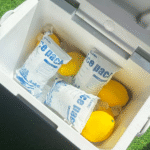
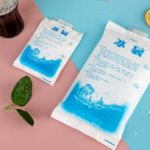
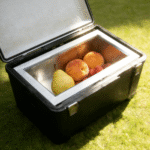
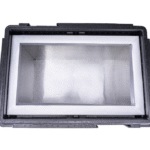
A typical Tempk seafood packout uses an insulated shipper, conditioned gel packs or seafood ice packs, leak-proof liner, absorbent pad, product divider, coolant separator, and a product-level logger. Approve the packout after checking temperature, odor, drip, texture, shell or tray damage, and carton dryness after the actual route.