Custom Gel Ice Packs: Practical Buyer and Packout Guide
custom gel ice packs should be selected only after the required temperature range, route duration, payload, and handling risks are clear. The product name alone cannot tell you whether it will protect chilled food, refrigerated medicine, frozen seafood, or lab samples. A practical buying process checks the refrigerant, the insulated shipper, the conditioning method, and the evidence you need after delivery. This optimized guide combines product education, material behavior, procurement checks, and field-level packout advice into one decision path.
The Short Decision Rule
Use custom gel ice packs only when it matches the product's temperature requirement, the route risk, and the operating process that will prepare and pack it. That rule sounds basic, but it prevents most wrong purchases. It keeps the buyer from assuming that a cold component automatically creates a qualified cold-chain system. It also encourages the team to define what must be proven before scaling: product range, shipper type, conditioning method, placement, transit duration, ambient exposure, and receiving evidence.
The first boundary is simple: custom gel ice packs can change size, fill, film, printing, and packaging format, but the custom design must still be tested in the intended packout. This distinction matters because many cold-chain problems are blamed on the pack when the real cause is an under-insulated box, poor staging, unexpected route delay, or a payload that should never have been placed next to an over-cold surface. In a passive system, cooling media buys time; it does not create an unlimited temperature guarantee. That is why the buyer should treat the refrigerant, insulation, payload arrangement, and handling instructions as one packout rather than separate line items.
Choose by Temperature Range, Duration, and Handling Risk
Regulated and high-value shipments also need cautious wording. Many refrigerated vaccines and medicines are planned around a 2°C to 8°C range, but the correct range must come from the product specification, manufacturer instructions, or quality team. For air transport of temperature-sensitive healthcare cargo, IATA practices and carrier requirements may affect labels, documentation, and handling. Good distribution practice in pharmaceutical logistics often expects temperature conditions to be maintained and records to be available, but requirements vary by product, market, route, and contract. For food shipments, HACCP-style thinking is useful because it focuses attention on hazards, control points, monitoring, and corrective action instead of relying on a cold pack as a substitute for process control.
A practical decision sequence starts with the product rather than the pack. First, confirm whether the product must stay refrigerated, chilled, frozen, or within another controlled range. Second, define the real route, including handovers and possible delays. Third, choose a refrigerant and insulated shipper that can be tested or justified for that route. Finally, decide what proof is needed after delivery. This order of thinking keeps purchasing, warehouse, and quality teams aligned.
How the Cooling Media Behaves in the Box
Cooling media works by absorbing heat from the space around it and slowing the rise of product temperature. Water-based gels, rigid ice bricks, and phase-change materials all use thermal mass, but they are not interchangeable. A gel pack may provide flexible contact and broad cooling capacity. A rigid brick may keep a clean shape and simplify repeated handling. A PCM pack is designed around a phase-change point, so it can be useful when the payload needs a narrower temperature window. Dry ice is different again because it is solid carbon dioxide and sublimates into gas at an extremely low temperature, which creates both cooling power and safety obligations. The right choice depends on the product's tolerance, not on which component looks colder.
Conditioning is the step that turns a refrigerant from inventory into a usable cold-chain component. For gel packs, this may involve freezing, arranging packs so cold air can reach them, and staging them so they do not warm before packing. For PCM packs, conditioning should follow the supplier's instructions because the material must reach the right phase state for the target window. For rigid bricks, freezer loading and airflow matter because a brick with a cold surface and a warm core may look ready but perform inconsistently. The packing team should know whether the product can touch the refrigerant directly, whether separation is needed, and how long packs can sit at the packing table before use.
Confirm the Packout, Not Only the Component
| Question to answer | Good sign | Concern to investigate |
|---|---|---|
| What temperature range must the product stay within? | The range is confirmed by product owner or quality team | The range is guessed from a previous shipment |
| How long and where will the package be exposed? | Route, handovers, and delays are considered | Only ideal transit time is used |
| How is the refrigerant conditioned? | Staff have a repeatable instruction | Packs are selected by appearance or feel |
| Does the supplier specification match the sample? | Dimensions, fill, film, and packing are written | Sample and production details are vague |
| What proof is needed after delivery? | Logger and receiving review are planned when needed | Data is added only after a complaint |
These questions are designed for buyers who need a practical approval path. If a supplier can answer them clearly, you have a better basis for sample review and trial shipping. If the answers are vague, the risk has not disappeared; it has simply moved into the warehouse.
Procurement Checks Before Scaling Up
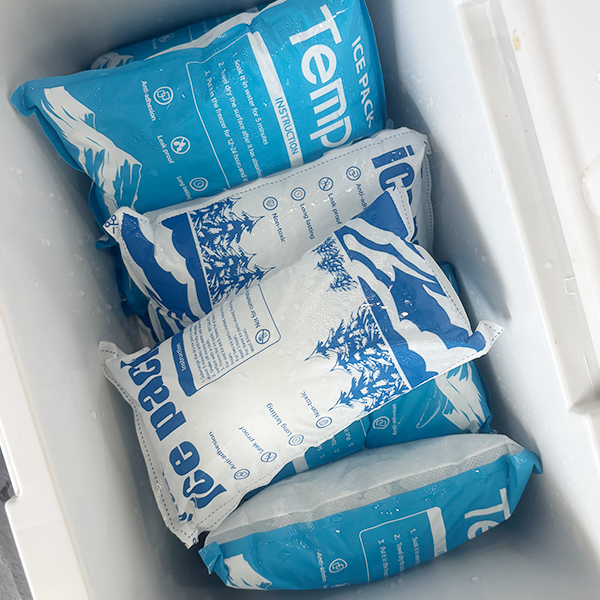
A useful purchase specification should cover dimensions, fill weight, film material, artwork, and carton packing. These details are not paperwork for its own sake. They determine whether the sample in your hand will match the units that arrive in production cartons, whether the warehouse can condition enough packs before the morning cut-off, and whether the packout still leaves usable space for the product. If the order includes private label printing or a custom shape, approve the physical sample before approving artwork. A good supplier conversation is specific enough that two people in different departments would pack the same box in the same way.
- Keep one written version of the approved specification and update it only through a controlled change.
- Review actual freezer, staging, and packing capacity before increasing order volume.
- Confirm how printed or custom units will be inspected before shipment.
- Ask whether the stated performance is based on the same shipper and payload you plan to use.
- Decide who reviews logger data or delivery feedback when a route is new.
Common Failure Points at Handover
The most common mistake is approving artwork before confirming that the pack size and weight fit the insulated shipper. Another is treating a supplier's generic recommendation as a validated result for your route. A third is changing a component after a successful trial without asking what else must be retested or reviewed. Small changes can matter: a new box wall thickness, a different gel pack weight, a revised printed film, a higher payload, or a longer time on a loading dock can all change the thermal balance. When a cold-chain team records these changes, it becomes easier to repeat what works and investigate what fails.
Consider three ordinary situations: a private-label distributor adding printed packs, a meal-kit brand designing slim packs for carton corners, and a healthcare packaging buyer needing a cleaner returnable format. Each may use similar-looking cooling media, but each has a different risk profile. The first may care most about packing speed and customer presentation. The second may need a tidy, repeatable carton plan that survives export handling. The third may need stronger documentation because product release depends on receiving evidence. When the same pack is moved from one situation to another without retesting or at least reviewing the assumptions, the buyer can easily mistake a previous success for a universal rule.
Helpful decision tools
Check the details before you choose packaging
These quick tools can help you compare route risk, sizing needs, coolant choices, and packaging details before you request a quote.
Ice Pack Calculator
Estimate gel ice pack quantity for chilled shipments and practical route planning.
Estimate ice packsDry Ice Calculator
Estimate dry ice needs for frozen or ultra-cold shipments before packing.
Estimate dry iceBox Liner & Pallet Cover Sizing
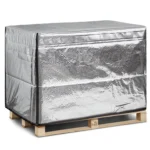
Check box liner and pallet cover sizing logic for insulated packaging projects.
Estimate sizingA Practical Example for Buyers
For example, a procurement team may approve a sample that performs well in a small trial, then order a container of production units with printed film and a different master carton arrangement. The product still looks similar, but the freeze time, handling feel, and packout fit can change if fill weight, film thickness, or carton compression changes. Before scaling up, the buyer should confirm that the approved sample, production specification, artwork, carton packing, and receiving inspection all describe the same product.
Monitoring and Review
Evidence matters most after something goes wrong, but it should be planned before the order is placed. Ask what test data, supplier datasheet, conditioning instruction, or packout record supports the claim you are relying on. If the supplier states a hold time, check the ambient profile, payload, insulation, coolant count, and acceptance range used in that test. If a temperature data logger is included, remember that it records exposure; it does not protect the product. Data is most useful when the sensor position, logging interval, alarm threshold, and receiving review process are defined before the shipment leaves the warehouse.
Sustainability goals are increasingly part of cold-chain purchasing, but they must be connected to operations. A reusable pack can reduce single-use waste only when the route supports return, inspection, cleaning, refreezing, and loss control. A lighter water-injection format can reduce inbound shipping weight, but it shifts labor and quality control to the user. A higher-performing PCM pack may reduce excursions on a sensitive route, but it may also require stricter conditioning discipline. The most sustainable choice is the one that protects the product without creating avoidable waste, returns chaos, or repeated shipment failures.
FAQ
Is custom gel ice packs enough to protect a temperature-sensitive shipment?
custom gel ice packs can be part of the protection plan, but it is not enough by itself. The insulated box, payload mass, route duration, ambient exposure, conditioning method, and placement all affect performance. For regulated or high-value goods, buyers should review supplier data, perform a route-appropriate trial, and use monitoring when documentation is required.
What should I ask a supplier before ordering custom gel ice packs?
Ask for the exact dimensions, fill weight or material description, film or container structure, conditioning instructions, carton packing method, sample lead process, and any available test or datasheet information. If the shipment is sensitive, also ask how the supplier handles changes between sample and production.
Can one packout work for food, pharma, and lab samples?
Sometimes a similar packout can work across related products, but it should not be assumed. Food shipments may focus on freshness and presentation, while pharmaceutical and lab shipments may need tighter documentation, defined temperature ranges, and stronger receiving review. Product sensitivity and lane conditions should drive the decision.
How do I know whether I need a data logger?
Use a data logger when you need evidence of temperature exposure, when the product value is high, when the receiving team requires records, or when a route is new or risky. The logger does not cool the package. It helps you see whether the packout and handling process worked as expected.
What is the biggest error buyers make?
The biggest error is treating custom gel ice packs as a commodity and ordering by price before defining the shipment. A low-cost pack can become expensive if it leaks, does not fit the box, overcools a freeze-sensitive product, or cannot be conditioned in time for daily outbound volume.
Conclusion
The practical conclusion is that custom gel ice packs should be chosen as part of a complete cold-chain plan. Start with the product's required temperature range, then define route duration, ambient exposure, payload, insulation, conditioning, and documentation needs. Compare suppliers by the clarity of their specification, sample consistency, and ability to discuss your packout rather than by unit price alone. A custom order is successful only when the physical design, production controls, artwork approval, and packout use case all match. When these checks are made early, the order is easier to scale and the receiving team has fewer surprises.
About Tempk
Tempk supports cold-chain packaging buyers who need practical refrigerant and packout options for food, biopharma, and other temperature-sensitive shipments. Our work includes gel ice packs, ice bricks, hydrated dry-ice-style packs, PCM-related cold packs, and related insulated packaging discussions. For custom gel ice pack development, we focus on matching the component to the route, payload, conditioning process, and purchasing stage. We avoid treating a cold pack as a universal promise; instead, we help buyers define the questions that should be answered before samples, bulk orders, or custom packaging move forward.
CTA
Share your product type, target temperature range, route duration, box format, and expected order volume with Tempk to compare suitable custom gel ice packs options. If you are moving from sample approval to bulk ordering, ask for a recommendation that considers packout fit as well as the component itself.