Dry Ice Pack for Lunch Box: How Do You Keep Meals Frozen Until 3 p.m.?
Packing a dry ice pack for lunch box sounds tempting when standard gel packs turn lukewarm by noon. Before you pop –78 °C into a school bag, let’s review safety, optimal pack size, and 2025‑ready insulation that keeps food safe—without frostbite or soggy sandwiches.
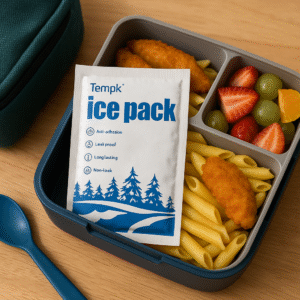
How small can a dry ice pack be and still work in a lunch box?
Which venting and liner tricks prevent CO₂ build‑up in tight spaces?
Smart hybrid coolants that pair micro dry ice with gel for mixed meals
2025 regulations for sending dry‑ice lunches to workplaces or camps
Eco‑friendly disposal and pack‑refill hacks to cut waste
Is Dry Ice Even Safe Inside a Lunch Box?
Dry ice sublimates to CO₂ gas; without a vent it can pressurize a sealed container and blast lids off. Skin contact at –78 °C freezes tissue in < 5 seconds. That said, using a palm‑sized, insulated dry‑ice sheet (< 100 g) with a micro‑vent slot can hold sub‑4 °C for four hours—perfect for sushi or yogurt parfaits—when handled correctly.
Mini Dry Ice Load Chart for Lunch Boxes
| Lunch Type | Food Weight | Dry Ice Needed | Hold Time | Vent Slot |
|---|---|---|---|---|
| Bento (600 g) | 0.6 kg | 60 g | 4 h | 2 mm |
| Salad + Protein (800 g) | 0.8 kg | 80 g | 4.5 h | 3 mm |
| Ice‑cream cup (100 g) | 0.1 kg | 40 g | 3 h | 2 mm |
Quick math: target 10 % of food weight in dry ice for a four‑hour school window.
Packing a Lunch Box with Micro Dry Ice Packs Safely
High‑R reflective pouch lines the interior.
Place gel pack (0 °C) at the bottom—shields delicate produce from deep freeze.
Add food containers—ensure lids are sealed.
Corrugated spacer on top.
Lay the micro dry‑ice sheet above spacer, vents facing zipper gap.
Zip bag loosely, leaving a 2–3 mm gap for gas escape.
H3: Best Lunch‑Box Liners for Dry Ice Cooling
| Liner Type | R‑Value | Weight | Benefit |
|---|---|---|---|
| Mylar Bubble | 4.0 | 40 g | Lightweight, reflective |
| Fold‑Flat Aerogel | 5.5 | 60 g | Thinnest high‑insulate option |
| PCM‑Infused Fabric | 3.5 | 55 g | Gradual temp buffering |
Hands‑On Tips
Work commute: Slip a 60 g dry‑ice card in a vented coffee thermos pocket—keeps smoothies chilled to 2 °C until mid‑morning break.
Helpful decision tools
Check the details before you choose packaging
These quick tools can help you compare route risk, sizing needs, coolant choices, and packaging details before you request a quote.
01Dry ice planningDry Ice Calculator
Estimate dry ice needs for frozen or ultra-cold shipments before packing.
Estimate dry ice02Checklist supportCompliance Checklist Generator
Build a practical checklist for packaging review, shipping, and documentation.
Build checklist03Sizing supportBox Liner & Pallet Cover Sizing
Check box liner and pallet cover sizing logic for insulated packaging projects.
Estimate sizingSummer camp: Combine 80 g dry ice with a sweat‑proof gel pack; teach kids to leave the lid slightly ajar.
Picnic prep: Pre‑cool the lunch box in a freezer for 30 minutes—extends chill window by ~15 %.
Real case: A tech firm’s cafeteria issued 90 g dry‑ice inserts for employee bento boxes; lunchtime audits showed internal temps under 5 °C after four hours, with zero blister incidents.
When to Skip Dry Ice and Use Hybrid Coolants
| Scenario | Risk Level | Recommended Coolant |
|---|---|---|
| Toddlers’ soft lunch bags | High | 0 °C gel + PCM wrap |
| Air travel carry‑on | Medium | ≤2.5 kg dry ice in vented cooler (follow TSA rules) |
| Outdoor job sites >35 °C | Low | 10 % dry ice + gel combo |
2025 Regulations and Environmental Notes
School policies: Many districts ban dry ice unless stored in vented hard‑shell containers—check your handbook.
Workplace shipping: Label “UN 1845 DRY ICE, foodstuffs, < 100 g” for campus courier safety.
Eco‑swap: Carbon‑negative dry ice from brewery CO₂ plus LDPE pack sleeves recycled via #4 streams.
FAQ
Can dry ice explode a plastic lunch box?
Yes, if the lid is airtight. Always leave a 2–3 mm vent gap.
Will CO₂ make my food taste fizzy?
No. Gas dissipates quickly and does not dissolve into sealed containers.
How do I dispose of leftover dry ice at school?
Place it on a metal tray in a well‑ventilated area until it fully sublimates; never in the sink.
Summary & Recommendations
A dry ice pack for lunch box works when you limit weight to ~10 % of food mass, add a gel buffer, and vent the lid. Follow the six‑step packing order above to keep meals below 5 °C through lunchtime—safely and sustainably.
Next steps:
Order palm‑sized dry‑ice sheets and reflective liners.
Train users on venting and touch‑free removal.
Test your packed lunch temp with an NFC sticker for data‑driven tweaks.
About Tempk
Tempk engineers recyclable cold‑chain gear for cargo and personal meal prep. Our Micro‑Freeze™ sheet (40 g) maintains 0–4 °C for four hours in standard lunch boxes and fully sublimates before disposal time.
Need a custom lunch‑cooling kit? Book a free consult.