Frozen French fries shipments need a frozen packout that protects both temperature and product appearance. For most commercial frozen food lanes, the receiving target is -18 C or below, and the carton must also prevent frost, crushing, label damage, and thaw-refreeze quality loss.
Frozen French fries depend on stable frozen handling because thaw-refreeze can reduce crispness after cooking.
The packout should keep bags frozen while preventing dry ice abrasion, carton softening, and weight-based crushing.
Foodservice cases and retail bags may need different carton support even when the temperature target is the same.
Cold chain planning data
| Temperature window | -18 C or below for frozen receiving, with limited exposure during packing and handoff. |
|---|---|
| Humidity or moisture | Control frost and condensation inside the carton to protect bag graphics and fried-potato texture. |
| Pre-cooling | Pre-cool the shipper and load cases or retail bags from freezer staging without warm dwell. |
| Packaging pressure | Prevent carton collapse and bag crushing, especially when fries ship with heavier frozen ready meals. |
| Coolant placement | Use a top dry ice zone or frozen coolant map with a divider to avoid direct contact and bag abrasion. |
| Transit duration | 24-72 h depending on carton mass, dry ice allowance, carrier service, and destination receiving window. |
| Common losses | Thaw-refreeze limp texture, frost bloom, bag puncture, carton softening, and customer quality claims. |
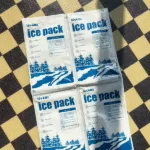
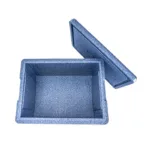
| Suitable Tempk packout | Tempk EPS or high-performance insulated box, dry ice liner, top coolant layer, bag protection sheet, and route validation. |
Recommended packout approach
Start with product that is already frozen to the dispatch target. An insulated shipper and dry ice plan should maintain frozen condition during transit, not pull warm product back down after loading. Pre-condition the shipper, keep the freezer staging time short, and close the carton quickly to reduce warm-air exchange.
Helpful decision tools
Check the details before you choose packaging
These quick tools can help you compare route risk, sizing needs, coolant choices, and packaging details before you request a quote.
Ice Pack Calculator
Estimate gel ice pack quantity for chilled shipments and practical route planning.
Estimate ice packsRoute Risk Checker
Review lane conditions before selecting packaging for real operating requirements.
Check route riskInsulation Material Drop Resistance
Review drop resistance and handling factors before choosing insulation materials.
Check resistanceFor dry ice shipments, use a separated coolant zone and carrier-compliant labeling. Dry ice should protect the thermal profile without rubbing retail bags, cracking trays, or creating direct surface burn. For lanes where dry ice is not allowed, frozen gel packs and stronger insulation require separate validation because the temperature curve will be different.
Quality checks before release
Before using the packout commercially, test the same shipper size, product weight, coolant mass, carrier service, route length, and season. At receiving, check product temperature, frost level, bag or tray integrity, label condition, carton dryness, and whether the product shows signs of thaw-refreeze.
For Tempk packaging selection, a typical starting point is a high-performance insulated box, dry ice compatible liner, separated coolant layer, product support sheet, and route logger. The final coolant mass should be set by validation data and destination handling rules, especially for 48-72 h parcel routes.
Reference basis
Temperature assumptions follow common frozen food handling practice and FDA consumer food safety guidance that identifies freezer temperature at 0 F / -18 C. Final programs should follow the shipper’s own specification, destination market rules, and carrier requirements for dry ice.