How to Effectively Use Dry Ice Pack Sheets for Cold Chain Shipping
In the realm of cold chain logistics, maintaining the integrity of temperature-sensitive products is vital. Dry ice pack sheets have emerged as a revolutionary tool in ensuring products remain cold during transit, particularly for industries such as food, pharmaceuticals, and biotechnology. This comprehensive guide explores how businesses can effectively use dry ice pack sheets to optimize shipping processes, reduce spoilage, and comply with safety standards in 2025.
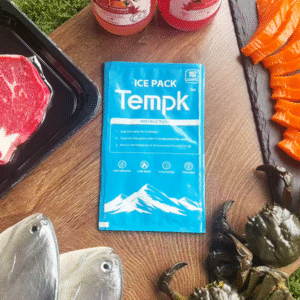
Why are dry ice pack sheets essential for cold chain shipping?
What are the best practices for using dry ice pack sheets?
How can businesses optimize their shipping processes with dry ice?
Why Are Dry Ice Pack Sheets Essential for Cold Chain Shipping?
Dry ice pack sheets are crucial tools in cold chain logistics because they maintain temperatures necessary for shipping sensitive goods over long distances. Unlike traditional ice, which melts and introduces moisture, dry ice sublimates directly from solid to gas, leaving no water behind. This eliminates moisture-related issues during transit, ensuring the safe delivery of temperature-sensitive goods.
Key Benefits of Dry Ice Pack Sheets:
Extended Cooling Duration: Dry ice maintains sub-zero temperatures for longer periods, making it ideal for long-distance or international shipments.
No Risk of Water Leakage: Since dry ice turns directly into gas, there is no water to damage the shipment.
Cost-Efficiency: Dry ice, when used properly, is more cost-effective than other cooling methods, especially for deep-freezing needs.
In sectors like pharmaceuticals and food, where temperature fluctuations can lead to spoilage or diminished product efficacy, dry ice pack sheets are a valuable tool. Studies indicate that using dry ice can reduce spoilage rates by up to 75%, enhancing shipping efficiency and product quality.
Best Practices for Using Dry Ice Pack Sheets
To maximize the effectiveness of dry ice pack sheets, businesses should follow key best practices. These practices ensure both safety and efficiency, while adhering to necessary regulations.
1. How Much Dry Ice Should You Use?
The quantity of dry ice required depends on several factors, including the size of the shipment, packaging insulation, and the shipping duration. On average, 5 to 10 pounds of dry ice per 24 hours of shipping time is recommended. However, it’s important to calculate based on specific shipment needs.
2. Proper Labeling of Shipments
Always label packages containing dry ice with the correct “Carbon Dioxide Solid” label. This ensures safe handling by transportation staff and compliance with shipping regulations. Dry ice is considered hazardous material, and proper labeling mitigates the risks associated with handling.
3. Use Insulated Packaging
To extend the life of dry ice, it’s essential to use well-insulated packaging. Proper insulation prevents dry ice from sublimating too quickly, maintaining the desired temperature for longer periods. However, avoid airtight containers, as this could lead to dangerous pressure build-up.
4. Monitor Temperature During Transit
To ensure products stay within the required temperature range, consider using temperature monitoring devices. These devices provide real-time data, which is crucial for identifying any deviations before they cause damage to the goods.
5. Safe Disposal of Dry Ice
Educating recipients on the safe disposal of dry ice is crucial. Dry ice sublimates into carbon dioxide gas, which should be allowed to dissipate in a well-ventilated area. Improper handling of dry ice, especially in confined spaces, can lead to asphyxiation or frostbite.
| Packing Factor | Recommended Practice | Why It Matters |
|---|---|---|
| Quantity of Dry Ice | Use 5-10 lbs per 24 hours | Prevents temperature fluctuations |
| Labeling | Clearly mark with appropriate labels | Ensures safety during transport |
| Insulation | Use proper insulated boxes | Extends dry ice effectiveness |
| Monitoring | Include temperature monitoring devices | Maintains regulatory compliance |
How Can Businesses Optimize Their Shipping Processes with Dry Ice Pack Sheets?
Efficient use of dry ice involves more than simply adding dry ice to a shipment. Companies should adopt strategies that enhance the shipping process, ensuring maximum efficiency and regulatory compliance.
Helpful decision tools
Check the details before you choose packaging
These quick tools can help you compare route risk, sizing needs, coolant choices, and packaging details before you request a quote.
Ice Pack Calculator
Estimate gel ice pack quantity for chilled shipments and practical route planning.
Estimate ice packsBox Liner & Pallet Cover Sizing
Check box liner and pallet cover sizing logic for insulated packaging projects.
Estimate sizingDry Ice Calculator
Estimate dry ice needs for frozen or ultra-cold shipments before packing.
Estimate dry iceAnalyze Historical Shipping Data
By reviewing historical shipment data, businesses can identify trends and optimize the quantity of dry ice used. This practice helps reduce shipping costs and enhances operational efficiency.
Invest in Temperature Control Technology
Advanced temperature control solutions, such as real-time monitoring systems and data loggers, help ensure that shipments remain at the required temperature. Incorporating these technologies will allow businesses to track shipments in real-time and respond proactively if issues arise.
Train Staff and Partners
Proper training for staff and logistics partners is vital to ensure the safe handling of dry ice and compliance with regulations. With the right training, businesses can minimize errors and improve overall efficiency in the cold chain.
Collaborate with Experienced Logistics Providers
Partnering with logistics providers that have expertise in handling dry ice shipments ensures timely delivery and compliance with relevant shipping regulations. Experienced providers can assist with optimizing shipment methods and reduce potential risks.
Trends in Dry Ice Pack Sheets and Cold Chain Shipping
As the cold chain logistics industry evolves, several trends are shaping the future of shipping with dry ice pack sheets.
1. Sustainable Packaging Materials
With sustainability becoming a significant focus, more businesses are seeking eco-friendly packaging options. New insulation materials reduce environmental impact and enhance the effectiveness of cold chain shipments.
2. AI-Driven Logistics Optimization
Artificial intelligence (AI) is being used to predict the exact requirements for dry ice in shipments. AI is also optimizing delivery routes and improving overall logistics efficiency.
3. Interactive Packaging Solutions
Interactive packaging that provides real-time data on shipment status is gaining popularity. These solutions enhance customer experience and ensure transparency in cold chain shipping.
Frequently Asked Questions
Why should I use dry ice for shipping?
Dry ice is essential for maintaining sub-zero temperatures in temperature-sensitive products, ensuring they remain in optimal condition during shipping. It is especially effective for goods that require freezing temperatures, such as pharmaceuticals and food products.
Is it safe to handle dry ice?
While dry ice is safe to handle when proper precautions are taken, it can cause severe burns if it comes into contact with skin. Always wear gloves and protective eyewear when handling dry ice and ensure it is used in well-ventilated areas.
Can dry ice be used for international shipping?
Yes, dry ice is widely used for international shipping, especially for perishable goods. However, it is important to adhere to international shipping regulations, including proper labeling and packaging.
Conclusion and Recommendations
Dry ice pack sheets provide an essential solution for maintaining temperature-sensitive shipments during transit. By following the recommended practices for using dry ice, businesses can ensure the safe delivery of goods, minimize spoilage, and remain compliant with regulations.
Actionable Suggestions:
Review current shipping practices and assess whether dry ice is the best solution for your needs.
Invest in real-time temperature monitoring technology to track shipments and ensure temperature compliance.
Partner with experienced logistics providers who specialize in dry ice shipments to enhance the efficiency of your cold chain processes.
About Tempk
At Tempk, we specialize in cold chain logistics solutions, providing high-quality dry ice pack sheets that ensure the safe shipping of temperature-sensitive goods. Our products are designed to meet industry standards and optimize cold chain efficiency. We are committed to helping our clients maintain product integrity and compliance throughout the shipping process.
[Contact Tempk today to learn how our cold chain solutions can enhance your shipping operations.]