1. Cold chain transportation:
-Refrigerated transportation: Most vaccines and some sensitive pharmaceutical products need to be transported within a temperature range of 2 ° C to 8 ° C. This temperature control can prevent vaccine spoilage or failure.
-Frozen transportation: Some vaccines and biological products need to be transported and stored at lower temperatures (usually -20 ° C or lower) to maintain their stability.
2. Special containers and packaging materials:
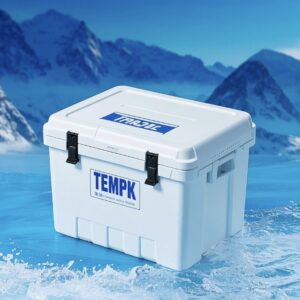
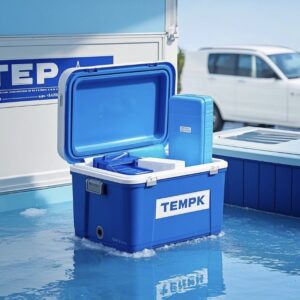
-Use specialized containers with temperature control functions, such as refrigerated boxes, freezers, or insulated packaging with dry ice and coolant, to maintain the appropriate temperature.
-Some highly sensitive products may also need to be stored and transported in a nitrogen environment.
3. Monitoring and tracking system:
-Use temperature recorders or real-time temperature monitoring systems during transportation to ensure that the temperature control of the entire chain meets standards.
-Real time monitoring of the transportation process through GPS tracking system ensures the safety and timeliness of transportation.
Helpful decision tools
Check the details before you choose packaging
These quick tools can help you compare route risk, sizing needs, coolant choices, and packaging details before you request a quote.
Ice Pack Calculator
Estimate gel ice pack quantity for chilled shipments and practical route planning.
Estimate ice packsInsulation Material Drop Resistance
Review drop resistance and handling factors before choosing insulation materials.
Check resistanceCompliance Checklist Generator
Build a practical checklist for packaging review, shipping, and documentation.
Build checklist4. Compliance with regulations and standards:
-Strictly abide by the laws and regulations of various countries and regions regarding the transportation of pharmaceuticals and vaccines.
-Adhere to the guiding principles and standards of the World Health Organization (WHO) and other relevant international organizations.
5. Professional logistics services:
-Utilize professional pharmaceutical logistics companies for transportation, which typically have high standards of transportation and storage facilities, as well as well-trained employees, to ensure the safety of products during transportation and compliance with specified conditions.
Through the above methods, it is possible to ensure the effectiveness and safety of vaccines and pharmaceutical products to the greatest extent possible before reaching their destination, avoiding quality issues caused by improper transportation.