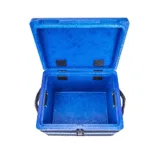
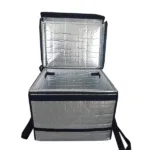
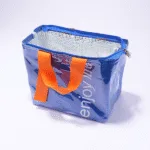
Traveling with insulin requires more than just packing your medication — it demands careful planning to maintain insulin’s effectiveness. Whether you’re flying internationally, taking a road trip, or exploring nature, temperature control is critical. Here’s your complete guide on how to store insulin while traveling to keep it safe and cool.
1. Understand Insulin Storage Requirements
Insulin should be kept between 36°F to 46°F (2°C to 8°C) before use. Exposure to extreme heat or freezing temperatures can degrade its effectiveness. Once opened, it can be stored at room temperature (below 77°F/25°C) for up to 28 days, depending on the type.
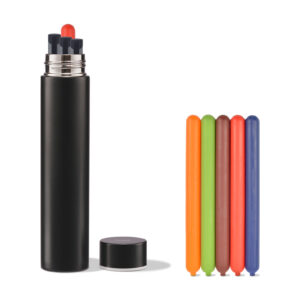
2. Use an Insulin Cooler or Travel Case
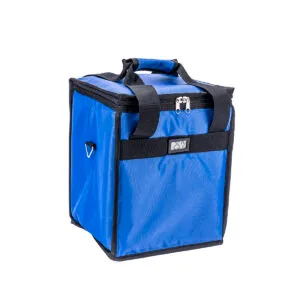
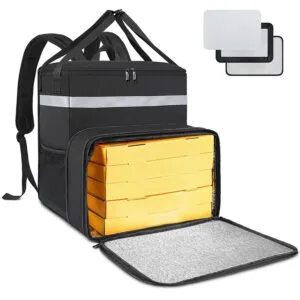
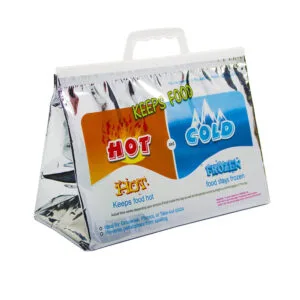
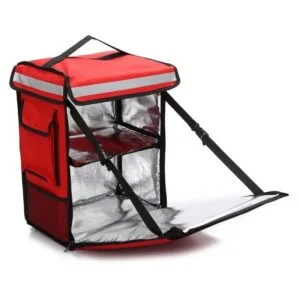
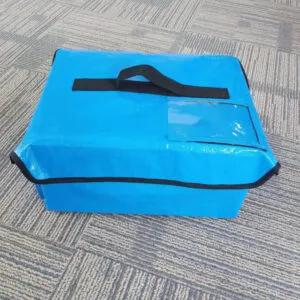
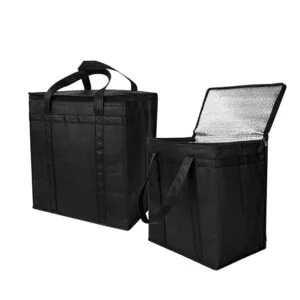
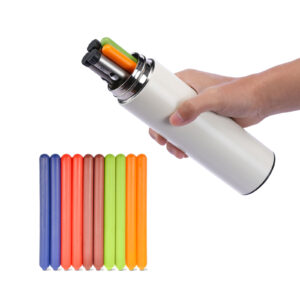
Invest in a portable insulin cooler or thermal case with ice packs or cooling gel tubes. These specialized containers are designed to maintain a safe temperature range for hours, perfect for outdoor or long-distance travel.
3. Keep Insulin with You at All Times
Never place insulin in checked luggage. Cabin temperatures are more stable, and you’ll have access during delays. Keep it in your personal carry-on with a note from your doctor if needed.
4. Choose the Right Cooling Method
Options include:
Biogel ice tubes or PCM packs: Long-lasting and reusable.
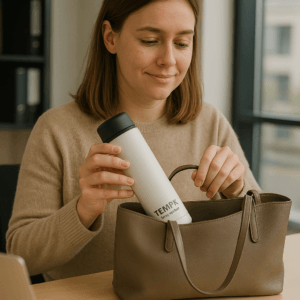
Vacuum-insulated travel cups: Compact and lightweight.
Helpful decision tools
Check the details before you choose packaging
These quick tools can help you compare route risk, sizing needs, coolant choices, and packaging details before you request a quote.
01Packaging choicePackaging Selector
Compare insulated packaging options by product, route, and temperature need.
Find packaging02Route riskRoute Risk Checker
Review lane conditions before selecting packaging for real operating requirements.
Check route risk03Sizing supportBox Liner & Pallet Cover Sizing
Check box liner and pallet cover sizing logic for insulated packaging projects.
Estimate sizingFrio packs: Water-activated and convenient for short trips.
5. Plan for Airport Security and Documentation
Inform TSA or airport security that you’re carrying insulin. Bring a prescription or a doctor’s letter, and store supplies in a transparent, easily accessible bag.
6. Monitor Temperature During Travel
Use portable thermometers or temperature-monitoring stickers to check if insulin stays within the safe range. If it gets too warm or cold, do not use it.
7. Backup Supply and Storage Tips
Always carry extra insulin and supplies in case of delays or loss. If staying in hotels, ask for access to a mini-fridge, and never leave insulin in a parked car.
8. Prepare for Different Climates and Conditions
Hot, humid, or cold environments require different cooling solutions. Tailor your storage approach depending on your destination and mode of transport.
Final Tips
Keeping insulin safe during travel is easier than ever with the right preparation and tools. A reliable cooling system, smart packing, and temperature awareness are the keys to maintaining your diabetes management routine on the go.
Need a portable insulin cooler for your next trip? Explore Tempk’s collection of travel-ready cooling gear designed specifically for insulin users.