The operating temperature range of a dry ice pack defines how effectively you can keep your products frozen or ultra-cold. Dry ice sits at −78.5 °C (−109.3 °F), and its performance depends on insulation, airflow, and pack-out design. This guide explains how cold it gets, how long it lasts, and how to use it safely for shipping in 2025.

-
What temperatures a dry ice pack can reach and maintain
-
How insulation and packaging affect temperature range
-
How long dry ice lasts and how much you need
-
2025 safety, compliance, and innovation trends
-
Real-world strategies to optimize cold-chain performance
What is the operating temperature range of a dry ice pack?
In simple terms: the operating temperature range of a dry ice pack extends from around −90 °C to −60 °C in ultra-cold setups and up to −20 °C for frozen shipments. The coldest point, −78.5 °C, is the sublimation temperature of carbon dioxide—the point where it turns directly from solid to gas.
Dry ice sublimates instead of melting, so it produces no liquid water and keeps products dry. That makes it perfect for temperature-sensitive items like vaccines, frozen food, and biological samples. The consistent, ultra-low temperature ensures a stable cold chain with minimal contamination risk.
Why −78.5 °C is ideal for logistics
Dry ice offers roughly twice the cooling capacity of water ice and lasts up to four times longer when properly insulated. This efficiency provides reliable performance for long-haul shipments or critical pharmaceutical logistics where even minor temperature deviations can affect product quality.
How cold can a dry ice pack get compared with other cooling agents?
| Cooling Agent | Typical Range | Duration | Key Advantage | Common Use |
|---|---|---|---|---|
| Dry Ice Pack | −78.5 °C to −60 °C | 24–72 h | Extreme cold, no liquid | Frozen foods, biologics |
| Gel/PCM Pack | −20 °C to +8 °C | 24–96 h | Reusable, steady temp | Vaccines, food delivery |
| Refrigerant Brick | −10 °C to +4 °C | 48–72 h | Moderate cold | Produce, dairy |
| Regular Ice | 0 °C to −2 °C | 6–12 h | Inexpensive | Short trips |
Key takeaway: Only dry ice reaches true ultra-cold ranges, but proper insulation and safety precautions are crucial to maintain performance and protect handlers.
How insulation and container type affect performance
| Container Type | Insulation Quality | Hold Time | Recommended Ice |
|---|---|---|---|
| Styrofoam (EPS) | Excellent | 48–72 h | 5 lb / 24 h |
| Plastic Cooler | Good | 36–48 h | 6–8 lb / 24 h |
| Cardboard Box | Moderate | 24–36 h | 10–12 lb / 24 h |
| VIP Container | Outstanding | 72 h + | 25 % less dry ice |
Best practice: always size your dry ice load based on insulation quality, shipment duration, and external temperature.
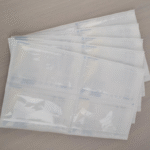
Expert tip: Use multiple 24-cell dry-ice sheets between product layers to distribute cooling evenly.
How long does dry ice last—and how much should you use?
Dry ice sublimation depends on insulation and ambient conditions. On average, 5–10 lb per 24 hours per standard shipper is typical.
Quick estimation method:
-
Add trip hours + buffer (e.g., 48 h + 12 h = 60 h)
-
Choose sublimation rate: VIP 0.1–0.2 kg/h, EPS 0.2–0.4 kg/h
-
Multiply: 0.3 kg/h × 60 h = 18 kg baseline
-
Add 15 % buffer → ≈ 21 kg dry ice total
Re-validate each lane with temperature loggers and adjust for seasonality.
Safety and handling best practices
Dry ice can cause severe frostbite or pressure buildup if misused. Always follow these safety principles:
-
Use insulated gloves and goggles to prevent skin injury
-
Vent all containers—never seal airtight
-
Store in insulated, non-sealed boxes, not freezers
-
Avoid confined spaces—1 kg of dry ice releases about 541 L of CO₂ gas
-
Label shipments “Dry ice / Carbon dioxide, solid” with the net weight
For air transport, airlines typically limit dry ice to 2.5 kg per package. Freight follows UN 1845 (Class 9) standards and IATA PI 954 guidelines.
Practical temperature-control strategies
-
Layered pack-outs: Place dry ice on top and bottom for even cooling
-
Combine with gel packs: Stabilizes gradients for long trips
-
Monitor with data loggers: Confirm real temperatures, not estimates
-
Plan for duration: Adjust quantity for each lane and stop frequency
-
Avoid overload: Too much dry ice can rupture sealed packages
Case example: A biotech shipper reduced losses by 38 % using a dual-phase setup—dry ice beneath and PCM packs above—to maintain −65 °C for 60 hours.
2025 innovations and sustainability trends
The cold-chain industry is shifting toward smarter, greener solutions:
-
Reusable polymer-based “dry ice” packs that can freeze down to −80 °C
-
Vacuum Insulated Panels (VIP) that extend hold time while cutting weight
-
IoT temperature sensors for real-time tracking
-
CO₂ capture systems producing lower-carbon dry ice
-
Automated re-icing stations at logistics hubs for multi-day routes
These innovations reduce CO₂ consumption by up to 25 % and improve compliance with new environmental standards.
Frequently asked questions
Q1. What is the coldest temperature a dry ice pack can reach?
Up to −78.5 °C (−109.3 °F) at the surface; payloads typically stay between −90 °C and −60 °C depending on insulation and standoff distance.
Q2. How long does dry ice last in a cooler?
5–10 lb typically lasts 24–48 hours; VIP containers extend that to 72 hours or more.
Q3. Can dry ice damage food or packaging?
Yes, direct contact may cause freezer burn—always use separators.
Q4. Is dry ice safe for air travel?
Yes, within airline limits (2.5 kg per package) and with proper venting and labeling.
Q5. Are dry ice packs reusable?
CO₂ dry ice evaporates completely, but the insulated containers and polymer packs are reusable.
2025 cold-chain trends and market insight
Demand for frozen and ultra-cold shipping is accelerating. E-commerce meal kits, biologics, and vaccine logistics drive global dry-ice packaging growth at 7 % + CAGR.
Companies adopting VIP-plus-sensor pack-outs report up to 15–20 % improvement in delivery stability and lower waste.
Key progress
-
VIP panels reduce dry-ice usage by 25 %
-
Smart IoT loggers cut spoilage rates by 30 %
-
Recyclable liners replace EPS to meet eco-targets
-
Modular pack-outs support lane-specific optimization
Summary and recommendations
The operating temperature range of a dry ice pack spans from −90 °C to −60 °C for ultra-cold and up to −20 °C for frozen shipments.
Success depends on correct sizing, insulation choice, and safe handling.
Quick recap:
-
Use dry ice for ≤ −20 °C targets; gel or PCM packs for warmer ranges
-
Never seal containers airtight—venting is critical
-
Monitor every shipment with a data logger
-
Re-validate pack-outs seasonally or by lane
-
Follow UN 1845 and IATA PI 954 standards for compliance
Next step: Evaluate your shipping needs and design a lane-specific solution. For tailored guidance, consult Tempk’s cold-chain specialists.
About Tempk
Tempk designs advanced cold-chain solutions combining dry ice, PCM packs, and next-generation insulation.
Our systems maintain precise temperatures from −80 °C for pharmaceuticals to 2–8 °C for food logistics.
We emphasize sustainability, reusability, and performance validation to ensure your products arrive safely, every time.
Ready to optimize your cold-chain?
Contact Tempk for expert consultation and customized pack-out design.