Pharmaceutical Ice Box Manufacturer Cost: A Practical Buying Framework
A pharmaceutical ice box manufacturer cost quote is useful only after the buyer defines the route, payload, temperature requirement, and evidence needed for approval. The box can be well made and still be wrong for the shipment if usable volume, coolant layout, handling, or documentation do not match the operation. Pharmaceutical temperature requirements are product-specific; common ranges include refrigerated and controlled-room-temperature categories, but they are not interchangeable. Use the following framework to compare suppliers without relying on price or appearance alone.
Quick answer for buyers
Choose the supplier that can explain fit, not merely price. Confirm the required temperature range, practical payload space, coolant plan, route exposure, cleaning process, and documentation before a bulk order. If any of those details are unknown, approve samples slowly and define what must remain unchanged in production.
Define the shipment before you compare suppliers
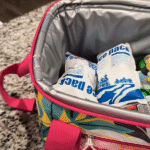
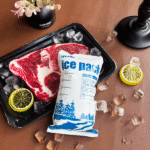
A pharmaceutical ice box is usually a passive packaging component, not a complete compliance guarantee. It may be used with gel packs, PCM packs, dividers, absorbent materials, and temperature monitoring devices. The box slows heat transfer, while the full packout and route procedure determine whether the product remains within the required range. Pharmaceutical buyers should avoid language that suggests a box alone is approved for every medicine, market, or lane.
Before looking at price, define what the box must do on your route. Is it protecting a chilled product during a short vehicle transfer, supporting a medicine delivery with receiving checks, or holding payload during a multi-handover export lane? Each case changes how much evidence you should request. A practical buyer does not ask only whether the box is insulated; the buyer asks whether it can be operated consistently under the expected conditions.
Read the quotation through scope and risk
Cost should be evaluated in the sequence buyers actually experience it: specification, sample, approval, production, delivery, operation, return, and replacement. Manufacturer cost is a combination of materials, design complexity, evidence level, sample approval, packaging, and repeat-order controls. A supplier with a higher initial quotation may be the lower-risk option if it reduces uncertainty around usable volume, closure reliability, production consistency, and packing evidence.
The first cost checkpoint is fit. If the internal layout forces staff to overpack, open the lid repeatedly, or place coolant directly against sensitive goods, the box creates handling cost and quality risk. The second checkpoint is evidence. A provider that can explain test conditions, sample controls, and material choices helps the buyer make a defensible decision. The third checkpoint is repeatability. Bulk orders only make sense if production units match what the team approved.
Do not ask for a final price before you define what must remain unchanged. That includes material grade or material family, gross and usable dimensions, lid and plug details, accessory layout, carton packing, labeling, and any documentation that your quality or operations team needs. A clear specification makes price negotiation more honest because vendors are quoting the same work.
Supplier comparison table for a controlled quotation
| Buyer checkpoint | What to ask the supplier | Decision signal |
|---|---|---|
| Route fit | What route duration, waiting points, and ambient exposure was assumed? | The supplier understands the real shipment rather than only the product name. |
| Payload fit | How is capacity must be evaluated as usable space in a defined packout, not as a catalogue number. handled? | The quote reflects usable space, not only nominal volume. |
| Coolant plan | Which ice packs, gel packs, or PCM packs are recommended? | The supplier treats the box and coolant as one system. |
| Handling design | How do manufacturing consistency, tooling, material selection, validation support, packaging, documentation, and change-control communication affect daily operation? | The box is practical for staff, receivers, and cleaning teams. |
| Evidence level | What test basis, instructions, or quality documents can be reviewed? | Claims can be checked before bulk purchase. |
The checklist is not meant to slow purchasing. It helps buyers compare suppliers on the same basis. When each vendor answers the same route, payload, coolant, handling, and evidence questions, the final price becomes much easier to interpret.
Route, payload, and receiving checks should agree
Supplier selection should start with the shipment path, not with the catalogue category. Identify the product temperature requirement, expected transit time, loading environment, handover points, receiving process, and whether the box is reused. This route map will show whether the buyer needs a basic insulated container, a medical cooler, a qualified passive packaging system, or a different solution altogether.
A buyer may ask for the lowest manufacturer cost for a medicine route. The cost discussion should start with product risk, temperature range, route exposure, payload, and required evidence, because a small specification change can change the real cost of operating the packaging. A strong supplier will respond by discussing packout, usable volume, accessories, and evidence. A weak supplier will usually respond with a broad promise. The difference matters because the buyer must operate the packaging after the sales conversation ends.
When the shipment is sensitive, bring quality or operations reviewers into the sample stage. Their questions are often different from procurement questions. They will look at documentation, receiving decisions, cleaning, labeling, and how exceptions are handled. Those questions may prevent a bulk order that looks cheap but becomes difficult to use.
Temperature claims need conditions attached
Healthcare and pharmaceutical distribution often uses defined temperature categories such as refrigerated, controlled room temperature, frozen, or product-specific ranges. These ranges should not be guessed from the product name. The product label, quality procedure, and market requirements should lead the packaging decision. Guidance from GDP, USP, IATA, and public health authorities is useful for framing risk, documentation, and transport responsibilities.
For procurement teams, the most useful action is to ask what must be verified before use. Does the product need a documented packout? Is monitoring required? Will the receiver review a temperature record? Are there local rules for the product category? These questions prevent a generic ice box purchase from being mistaken for a controlled shipping process.
What to ask before moving from sample to bulk order
A focused supplier conversation saves time because it removes vague promises early. Use the questions below before ordering samples, not after the first production batch is already planned.
- What exact product or route is this pharmaceutical insulated ice boxes and passive temperature-controlled packaging components designed to support?
- Which temperature range was assumed, and who must confirm it internally?
- What are the internal and external dimensions, and what is the usable space after coolant and accessories?
- What coolant packs, PCM packs, or dividers are recommended, and how should they be conditioned?
- What sample approval process keeps bulk production aligned with the sample?
- What cleaning, inspection, or retirement criteria should operators follow?
- What carton packing, labeling, and replacement accessory policy applies for export or repeat orders?
These questions also protect the supplier relationship. When you define route, payload, manufacturing consistency, tooling, material selection, validation support, packaging, documentation, and change-control communication, and evidence needs upfront, the supplier can recommend a realistic model instead of guessing from a short keyword request. A better request usually leads to a better sample.
Avoid the three mistakes that raise real cost
The first avoidable error is starting with price before defining the risk. The common mistake is to ask for cost before defining quality evidence. A quotation has meaning only when it reflects a known payload, route, coolant plan, and evidence level.
Helpful decision tools
Check the details before you choose packaging
These quick tools can help you compare route risk, sizing needs, coolant choices, and packaging details before you request a quote.
Box Liner & Pallet Cover Sizing
Check box liner and pallet cover sizing logic for insulated packaging projects.
Estimate sizingInsulation Material Drop Resistance
Review drop resistance and handling factors before choosing insulation materials.
Check resistanceCompliance Checklist Generator
Build a practical checklist for packaging review, shipping, and documentation.
Build checklistThe second error is skipping sample-to-production control. Ask the manufacturer or provider what can change without notice and what requires buyer approval. For sensitive goods, even small changes in lid fit, drain detail, insulation, or accessories can force a new review. This does not mean every project needs heavy documentation, but it does mean important assumptions should be written down.
The third error is forgetting the people who handle the box. A product that looks correct on a spreadsheet may be awkward when loaded, difficult to clean, hard to stack, or confusing at receiving. Real operational cost appears in those small friction points.
Practical example: when the cheapest quote is not the clearest
A buyer reviewing pharmaceutical ice box manufacturer cost options may begin with three suppliers that all claim similar insulation. After a packout discussion, the differences become clearer. One supplier cannot explain usable space after coolant. One can provide dimensions but no production control. One can discuss route, payload, accessory layout, and sample records. The last supplier may not be the cheapest, but it gives the buyer a stronger basis for approval.
The lesson is not that higher price is always better. The lesson is that price should be attached to a defined scope. When scope is unclear, buyers often pay later through repacking, extra labor, delayed approvals, or shipment holds. A clear early review keeps cost, quality, and operations in the same conversation.
The box also has to work after delivery
The receiving step completes the packaging decision. A receiver should know how to inspect the box, where to find documents or monitoring devices, how to move the payload back into controlled storage, and what condition requires quarantine or escalation. If the box is reusable, the empty unit then needs cleaning, drying, accessory check, and damage inspection before the next dispatch.
This is where manufacturing consistency, tooling, material selection, validation support, packaging, documentation, and change-control communication becomes operational rather than decorative. A plug that is hard to clean, a lid that is difficult to close, a handle that flexes under load, or an internal layout that hides the payload can all create repeated friction. Suppliers should be asked how the box performs at the end of the route, not only at the moment it is packed.
For repeated B2B operations, create a simple retirement rule. Remove boxes from use when insulation is cracked, closure is unreliable, the plug leaks, labels cannot be cleaned, or accessories no longer fit. Reuse only reduces cost when the box remains inspectable and fit for purpose.
FAQ
Is a pharmaceutical ice box manufacturer cost enough to protect temperature-sensitive goods?
Not by itself. An insulated box slows heat transfer, but protection depends on the full system: required temperature range, coolant type, packout, payload temperature, route duration, ambient exposure, opening behavior, and receiving process. For regulated or high-risk products, ask whether additional qualification or quality review is needed.
What should I ask before ordering samples?
Ask for internal and external dimensions, usable volume after coolant, recommended packout, material and closure details, cleaning instructions, carton packing, sample approval steps, and any test basis. For this topic, pay special attention to manufacturing consistency, tooling, material selection, validation support, packaging, documentation, and change-control communication.
How should I compare supplier cost or price?
Compare quotes only after defining the same specification. Check whether the price includes accessories, export packing, documentation, sampling support, replacement parts, and communication for repeat orders. A cheaper unit may cost more if it increases freight volume, labor, rework, or shipment risk.
Can I rely on a supplier's hold-time claim?
Treat it as a starting point. Ask what ambient profile, payload, coolant configuration, starting condition, and acceptance range were used. If your route differs, the claim may not apply directly. Additional testing or a revised packout may be needed before bulk use.
Do medical or pharmaceutical ice boxes need special documentation?
Documentation needs depend on the product, market, route, and internal quality system. Buyers often ask for specifications, packout instructions, cleaning guidance, sample records, and any available testing basis. Avoid assuming that a product name alone makes the box suitable for every healthcare shipment.
Conclusion
The best pharmaceutical ice box manufacturer cost decision is made after route, payload, temperature requirement, usable volume, packout, evidence, and receiving workflow are defined. Price matters, but it should not be evaluated before the work scope is clear. A supplier who helps you clarify these details is often easier to work with than one who answers only with a fast quotation.
Before ordering in bulk, document what the sample must prove and what must remain consistent in production. For sensitive medical or pharmaceutical routes, involve the quality team early and use cautious language around compliance or qualification. The safest sourcing decision is usually the one that buyers, operators, and receivers can all carry out consistently.
About Tempk
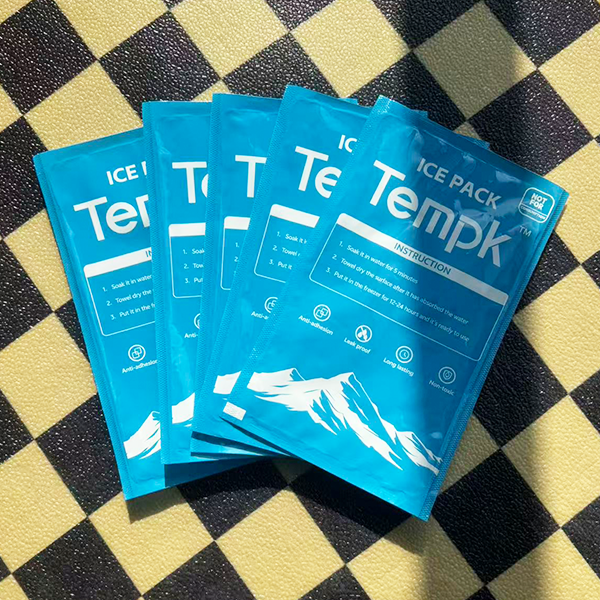
Tempk supports B2B buyers with cold-chain packaging options such as ice packs, PCM packs, insulated boxes, EPP or VIP cooler box formats, insulated liners, and pallet-level thermal protection. For pharmaceutical insulated ice boxes and passive temperature-controlled packaging components, we focus on practical fit: the route, payload, temperature target, coolant plan, cleaning process, and evidence a buyer should review before scaling. We avoid treating an insulated box as a universal answer; the better discussion is how the package will be used in your real operation.
Share your route, payload, target temperature range, and buying stage with Tempk to compare suitable ice box and coolant options before sample or bulk procurement.