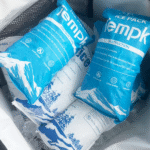
Prevent Dry Ice Pack Leaks: Best Practices
Dry ice packs are essential tools for maintaining consistent low temperatures during transport and storage. However, leaks can compromise product integrity, reduce cooling efficiency, and lead to potential safety issues. To ensure optimal performance and avoid disruptions, consider the following best practices.
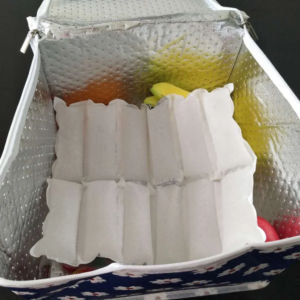
1. Use High-Quality Dry Ice Packs
Invest in premium dry ice packs designed with durable materials and reinforced seams. High-quality packs are less likely to puncture, tear, or fail under the strain of repeated freezing and thawing cycles, ensuring reliable performance throughout their use.
2. Handle Carefully
Even the most robust dry ice packs require careful handling. Avoid dropping, squeezing, or subjecting them to excessive pressure. Proper handling prevents stress on seams and reduces the likelihood of leaks, ensuring the pack maintains its cooling capacity.
3. Store Properly
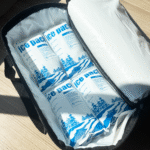
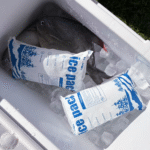
Maintaining dry ice packs in appropriate storage conditions is critical. Fully freeze the packs before use and keep them in an insulated container to minimize temperature fluctuations. Stable storage conditions help preserve material integrity and reduce wear and tear that may lead to leaks.
Helpful decision tools
Check the details before you choose packaging
These quick tools can help you compare route risk, sizing needs, coolant choices, and packaging details before you request a quote.
Compliance Checklist Generator
Build a practical checklist for packaging review, shipping, and documentation.
Build checklistIce Pack Calculator
Estimate gel ice pack quantity for chilled shipments and practical route planning.
Estimate ice packsBox Liner & Pallet Cover Sizing
Check box liner and pallet cover sizing logic for insulated packaging projects.
Estimate sizing4. Inspect Regularly
Frequent use can lead to material fatigue. Inspect dry ice packs before each use, checking for any signs of wear, thinning, or damage. If issues are detected, replace the pack immediately to avoid leaks and maintain cooling reliability.
5. Add a Protective Layer
Incorporating an additional layer, such as a protective wrapping, can help shield dry ice packs from punctures or abrasions. This extra step also helps contain condensation and keeps the outer surface dry, reducing the chances of leakage during handling and transit.
6. Train Your Team
Proper training for handling and storage ensures consistent performance. By educating staff and handlers on correct procedures, you minimize errors that could cause leaks and extend the usable life of your dry ice packs.
Conclusion
Preventing dry ice pack leaks is a matter of choosing quality products, following proper storage protocols, conducting regular inspections, and ensuring all handlers are well-informed. By adopting these industry-proven practices, you can maintain a stable cold chain, protect temperature-sensitive goods, and ensure smooth operations.