Probiotic Medicines Cold Chain Packaging Guide
Probiotic medicines need a medicine packout that protects the approved handling range, the secondary carton, the pharmacy label, and the receiving decision. The correct range must come from the product label, manufacturer instructions, pharmacy SOP, and the customer’s quality agreement.
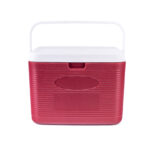
This guide uses a refrigerated medicine route as the planning model. The shipper should not be treated as a simple cooler. It must be tested with the actual product mass, carton count, coolant conditioning, route duration, handoff time, and seasonal ambient profile.
Packout planning data
| Temperature range | Use the labeled storage range; many refrigerated probiotic products are handled around 2-8 C to protect potency. |
|---|---|
| Humidity and condensation | Moisture control is important for bottles, sachets, capsules, labels, and outer cartons. |
| Pre-cooling | Pre-condition product, shipper, and coolant before loading so heat is not carried into the box. |
| Package pressure | Protect bottles, blister cartons, and sachet boxes from carton crush and mixed-load movement. |
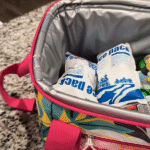
| Coolant position | Use gel packs or phase-change packs with a dry barrier so labels and cartons do not become wet. |
| Transport duration | 24-72 h e-commerce or pharmacy lanes need summer testing because heat exposure can reduce viable count. |
| Common losses | Heat exposure, condensation, wet cartons, bottle movement, label damage, and potency complaints. |
| Tempk packaging fit | Tempk insulated mailer or shipper, conditioned coolant, dry barrier, carton support, and route logger when required. |
What changes for this product
Probiotic medicines can fail for reasons that are not visible from the outside carton. A product may arrive apparently cold while one layer has touched a frozen pack, or cartons may be wet enough that labels and instructions become hard to verify. Small medicine packs also move quickly with ambient changes, so logger position and coolant spacing matter.
Pre-conditioning should happen before loading. If the shipper, coolant, or staging area starts outside the target profile, the first hours of transit can create a freeze or warm excursion. For refrigerated medicines, hard coolant contact is one of the most common avoidable risks.
Helpful decision tools
Check the details before you choose packaging
These quick tools can help you compare route risk, sizing needs, coolant choices, and packaging details before you request a quote.
Box Liner & Pallet Cover Sizing
Check box liner and pallet cover sizing logic for insulated packaging projects.
Estimate sizingCompliance Checklist Generator
Build a practical checklist for packaging review, shipping, and documentation.
Build checklistInsulation Material Drop Resistance
Review drop resistance and handling factors before choosing insulation materials.
Check resistanceRecommended Tempk packaging approach
Use a Tempk 2-8 C insulated shipper or insulated liner with conditioned gel packs, a validated product barrier, carton or vial support, and continuous monitoring when the lane requires documented release. Small orders should use an insert so medicine cartons stay in the tested product zone rather than sliding toward coolant.
For high-value or patient-critical shipments, add a receiving checklist that covers logger status, product count, label dryness, visible damage, and quarantine instructions. This helps the receiver make a clear release decision instead of guessing from carton touch temperature.
Receiving checks
At receiving, the team should review the logger result before placing stock into usable inventory. If the product label, SOP, or quality agreement defines an excursion process, the shipment should be held until the responsible pharmacist or quality team completes that review.
Tempk can support shipper sizing, coolant map design, insert layout, and route validation. Share product carton dimensions, order quantity, target range, route duration, ambient profile, and release procedure to build a lane-specific packout.