Vaccine Ice Box OEM Cost: How to Source the Right OEM Vaccine Shipping Box
When buyers search for vaccine ice box OEM cost, they are usually trying to solve more than one problem at once. They want dependable temperature hold, a box that operators can actually use without friction, and a supplier relationship that still makes sense when volumes rise, routes change, or customization becomes necessary. That is why a strong decision starts with use case definition rather than a quick price comparison.
The most practical way to read the market is to separate three layers of value. First comes thermal fit: can the box and packout protect the payload for the real duration and ambient profile? Second comes operational fit: will the box load well, stack well, clean well, and move through the workflow without waste? Third comes sourcing fit: can the supplier control dimensions, materials, lead times, and repeatability from sample approval to production runs? Buyers who check those three layers usually avoid both under-specification and expensive overbuying.
This article breaks vaccine ice box OEM cost down from that perspective, so you can decide what matters, what does not, and what evidence to ask for before placing a bulk order.
What This Product Category Really Includes
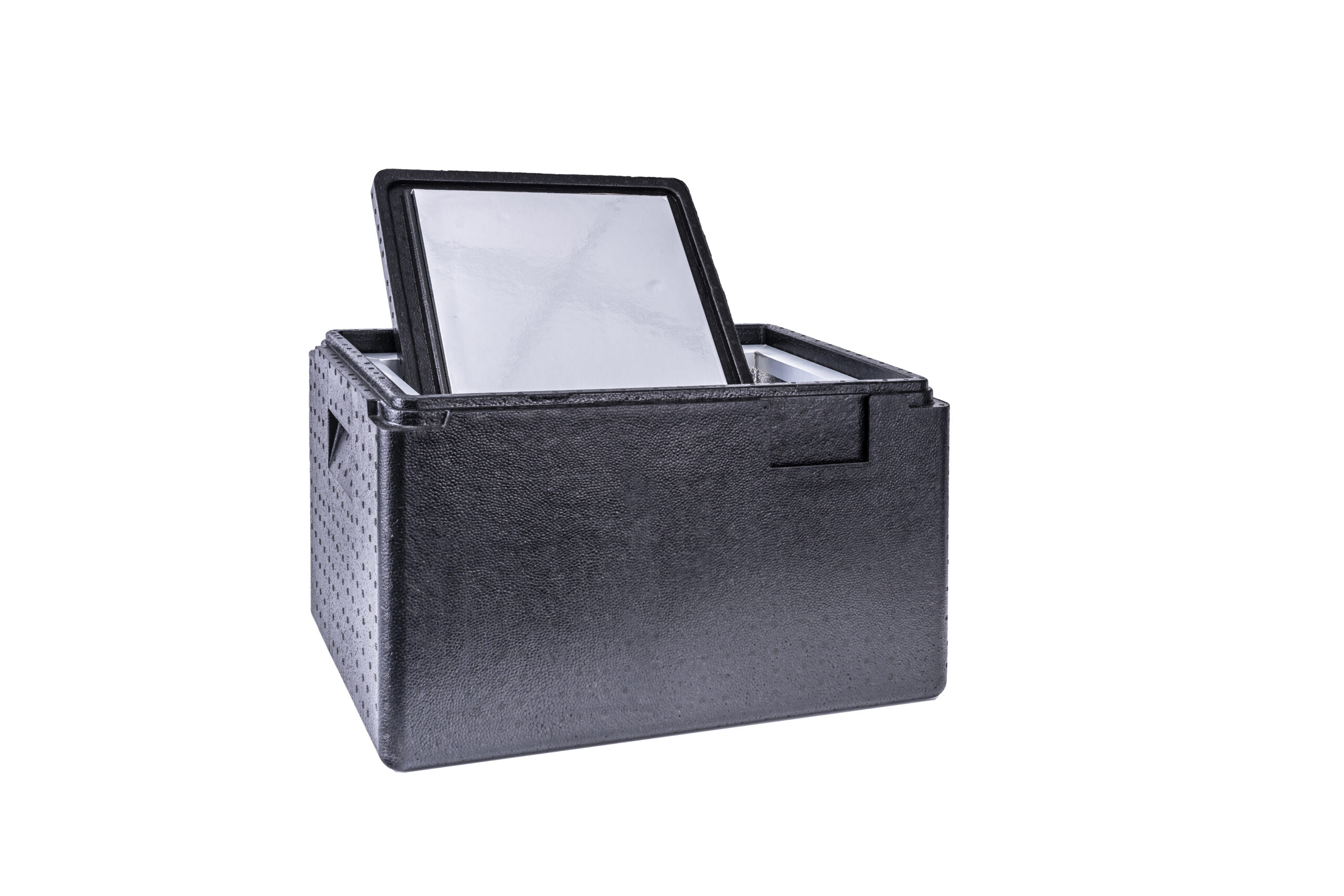
In vaccine work, the phrase usually points to a passive transport box used for outreach, redistribution, contingency movement, or last-mile replenishment. It may be a molded cold box, a vaccine carrier, or a more engineered passive shipping system. Public health guidance draws an important distinction here: a vaccine carrier is generally smaller and easier to carry, while a cold box handles larger payloads and longer transport windows.
That distinction matters because vaccine transport is not just about keeping contents cold. It is also about avoiding accidental freezing, choosing the right coolant strategy, and using a transport method that can be monitored. A buyer who thinks only about shell size may end up with the wrong system entirely.
How These Boxes Work in Real Transport
Every passive cold box works through the same basic mechanism. The shell and insulation slow heat transfer from the outside environment, while ice, gel packs, water-based coolants, or phase-change materials absorb incoming heat. Performance is therefore the result of a system, not a single material. The outer shell matters, but so do insulation thickness, lid fit, gasket integrity, coolant mass, packout arrangement, payload temperature at loading, and how long the shipment sits in warm conditions.
This is why buyers should be careful with marketing claims such as long ice retention, extended cold life, or pharmaceutical use. Those statements can be directionally useful, but they do not tell you the actual test setup. A box can look excellent in an empty consumer test and underperform badly in a real route once product load, door-open events, repeated handling, or higher ambient exposure are introduced.
For temperature-sensitive medical goods, the system view becomes even more important. Public vaccine handling guidance allows qualified containers and packouts with temperature monitoring when portable vaccine refrigeration is not available, which shows that the container alone is not the whole control strategy. Monitoring, packout discipline, and route-specific handling rules are part of the design.
It also means that a box with impressive-looking insulation can still be the wrong answer if it raises freeze risk, has poor logger placement, or offers no repeatable packout method for operators in the field.
Reference Points That Help Separate Good Specs from Weak Ones
Published guidance and product pages are useful because they reveal what experienced buyers already watch. In vaccine transport guidance, for example, the accepted language is not simply “cool box.” It includes qualified container and packout, temperature monitoring, coolant choice, and packout discipline. That tells you the industry expects the full system to be controlled, not merely the shell to be purchased.
Qualification frameworks for time- and temperature-sensitive pharmaceutical shipments make the same point in a different way. They describe the shipping system as the outer container plus the internal packaging components and the temperature-stabilizing medium. They also frame qualification in stages, which reinforces the idea that performance needs to be defined, tested, and documented against the intended use.
Published cold-chain solution pages from packaging suppliers show another useful pattern: performance claims are typically tied to a specific packout, payload range, ambient condition, and duration. That is the right way to read performance. If a seller offers a broad claim without clarifying the setup, buyers should ask more questions.
For medical and vaccine programs, these reference signals are especially valuable because they prevent category mistakes. A box may be rugged and well made yet still be the wrong answer if the packout cannot be reproduced, freeze risk is poorly controlled, or monitoring is treated as optional.
Material Options and What They Change
Most products in this category fall into a few broad construction families. Lightweight molded foam boxes, such as EPS-based formats, are often chosen for lower cost and better insulation per unit weight. EPP formats are valued for reuse, resilience, and impact recovery. Hard plastic shells may use polypropylene, HDPE, or LLDPE depending on the manufacturing route and expected abuse. Some premium systems add polyurethane foam, vacuum insulation panels, or purpose-tuned PCM packs when longer hold times or tighter control bands are required.
The right material choice depends on how the box will actually be used. A high-abuse return loop may justify a sturdier shell even if insulation per kilogram is not the best. A one-way short route may favor a lighter and cheaper format. A medical lane may require a design that supports cleaning, logger placement, and stable packout geometry better than a consumer-style cooler would.
Buyers should therefore ask for material and construction details in plain language: shell resin, insulation type, nominal wall thickness, gasket design, hinge or latch construction, drain design if applicable, and whether the lid geometry allows stable stacking. Those details influence not only performance but also service life and replacement rates.
When a Box Must Behave Like a Controlled Shipping System
Vaccine transport is the clearest example of why buyers should not confuse a container with a complete shipping solution. Public vaccine guidance distinguishes between cold boxes and smaller vaccine carriers, and it also emphasizes coolant handling, monitoring, and correct transport practice. For routine vaccine movement, the accepted mindset is not simply “keep it cold.” It is “use an appropriate, monitored, fit-for-purpose transport method.”
That has practical consequences for OEM planning. Freeze prevention matters. Coolant selection matters. Pack placement matters. CDC guidance also warns against casual choices such as using food and beverage coolers for routine vaccine transport and warns against using frozen gel packs from original vaccine shipments for refrigerated vaccine transport. Those points are important because a vaccine box can fail by becoming too cold, not only by becoming too warm.
For buyers, the lesson is straightforward. Ask whether the design supports a repeatable packout, whether the intended temperature band has been defined, where the logger sits relative to the payload, how long the box is expected to protect the load, and what evidence exists for that claim. If the supplier cannot answer those questions clearly, the conversation is still too early.
WHO guidance on time- and temperature-sensitive pharmaceutical products also frames qualification as a staged process involving design qualification, operational qualification, and performance qualification. That does not mean every buyer must run a complex validation program alone, but it does mean that route fit, acceptance criteria, and documented testing should be part of the buying discussion rather than an afterthought.
How OEM Choices Change the Total Cost
OEM cost is rarely driven by one variable. Tool status, shell geometry, wall construction, insulation method, hardware selection, color, logo treatment, inserts, and packaging configuration can all change the economics. Even when an existing mold is available, the details around branding, component substitution, and carton requirements may shift the final price noticeably.
OEM projects also create an approval sequence that simple stock purchases do not require. Buyers may need drawings, prototype confirmation, pre-production samples, labeling checks, and packout review before the commercial run begins. Those steps are valuable because they reduce downstream mistakes, but they should be built into the timeline and budget.
The smartest OEM approach is to define the performance target first and then customize only what supports that target or genuinely matters commercially. Excess cosmetic customization can inflate complexity without improving route performance.
Where the Right Box Spec Pays Off
Vaccine-related use cases vary more than many buyers expect. A district redistribution move, an outreach campaign, an emergency stock transfer, and a last-mile clinic replenishment all create different thermal and handling conditions. The right OEM box for one scenario may be oversized, too heavy, or operationally awkward for another.
Public procurement and handling guidance also suggests a practical market pattern: vaccine transport systems are usually purchased as part of a procedure, not as an isolated plastic box. Coolant availability, the ability to prepare a second set of packs, monitoring, and staff training all influence whether the container works successfully in the field.
That is why vaccine buyers should think in workflows. Consider preconditioning, loading, sealing, movement, receiving, and the decision rules for delays or excursions. A supplier that understands those steps can usually give better OEM advice.
Questions Smart Buyers Ask Before the Order Is Placed
The best checklist is the one that reflects your actual route. Still, most buyers can improve decisions quickly by asking the following questions early instead of waiting until after a sample looks good:
- What are the external dimensions, internal dimensions, and real usable volume once coolant or inserts are in place?
- Which shell resin and insulation materials are standard, and which parts of the build can change without triggering a new approval?
- Where will the temperature logger sit, and does the packout method support repeatable monitoring of the payload zone?
- What qualification, test data, or route-simulation evidence exists for the intended temperature band and payload range?
- How does the lid close and seal, and what evidence shows that the closure stays reliable after repeated use?
- Can the box stack safely when loaded, and does the design nest or return efficiently when empty?
- What are the empty weight and the expected loaded weight for the intended packout?
- Which tooling already exists, what needs new tooling, and who owns the approved drawing and change history?
- How easy is the surface to clean, dry, and relabel between trips?
- How will labels, barcodes, or route identifiers be applied and protected during handling?
- What is the MOQ, normal lead time, and sample-to-production approval process?
- How are design changes, material substitutions, and quality exceptions communicated after the first order?
- Is the proposed design genuinely suited to the product, route duration, and handling conditions you described?
Common Mistakes to Avoid
- Buying by nominal size alone and ignoring internal dimensions, coolant intrusion, or loaded weight.
- Assuming a rugged shell automatically means the thermal design is right for the route.
- Comparing quotes without checking whether they include the same scope of accessories, packaging, and customization.
- Approving a sample visually without defining how production changes will be managed later.
- Selecting the box before defining the temperature target, duration, and handling sequence.
- Treating a medical or vaccine lane like a food-delivery route and skipping qualification, monitoring, or freeze-risk discussion.
- Adding cosmetic OEM changes before the thermal and dimensional specification is stable.
FAQ
Is a vaccine ice box just a small medical cooler?
Not necessarily. Vaccine transport may require freeze prevention, a defined packout, logger use, and evidence that the system is appropriate for the intended route.
Can I judge OEM cost from public retail cooler prices?
Only very roughly. Retail listings may help you understand market positioning, but OEM cost depends on tooling status, materials, customization, payload assumptions, and testing scope.
Is a larger box always safer for vaccines?
No. Oversizing can waste coolant, increase empty space, and raise handling risk. The right design is the one that matches the payload and route realistically.
Final Take
The strongest decision around vaccine ice box OEM cost comes from matching the box to the route, the payload, and the operating model instead of buying from photos or headline claims. When buyers define the real job clearly, the right specification becomes easier to see, and supplier conversations become much more productive.
About Tempk
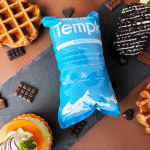
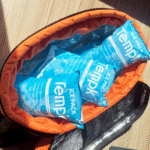
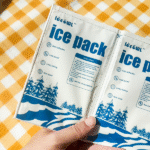
At Tempk, we focus on cold-chain packaging and temperature-control support for food, pharmaceutical, and other temperature-sensitive shipments. Our published product range includes ice packs, PCM ice bricks, EPP insulated boxes, cold shipping boxes, insulated liners, and related packaging materials. We aim to help buyers match refrigerants and insulated formats to practical transport needs rather than treating the box as a standalone answer.
Next Step
If you are comparing options for a real lane, ask for a recommendation based on your target temperature range, duration, payload size, and handling conditions. That will lead to a far more useful conversation than asking for a generic box alone.