


-768x767.jpg)








Delivery operations
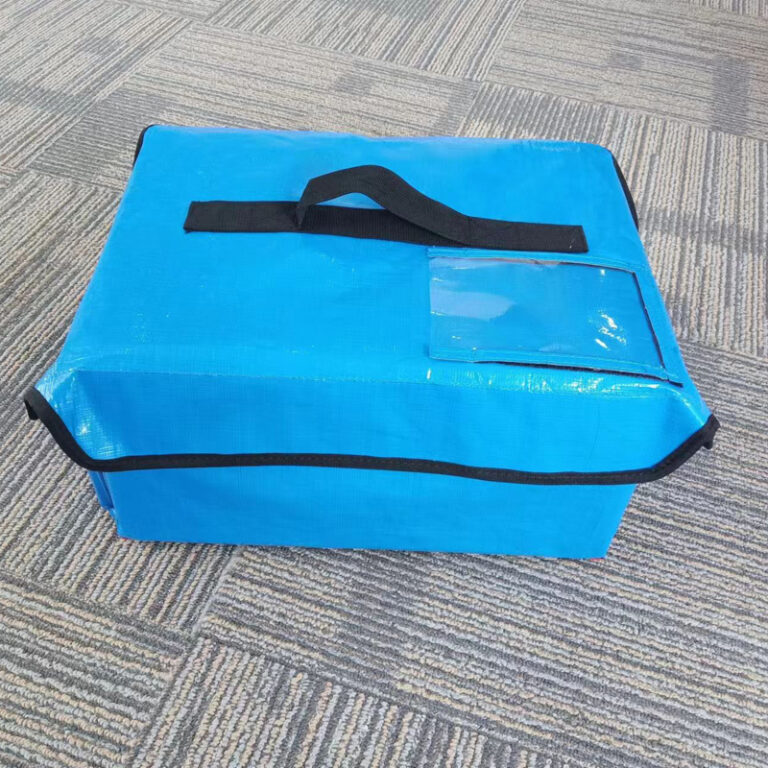
We tried the format with the load and outer packaging we use every day. It was much easier to judge the fit once everything was in place.
Insulated delivery bags, thermal delivery bags and insulated shipping bags are passive packaging components that slow heat transfer during prepared-food, grocery, medical and parcel routes. Select the format from payload size, starting condition, route time, number of openings, ambient exposure, closure, leak or moisture risk, cleaning and reuse, and any conditioned coolant. An insulated bag does not create a fixed temperature; validate the complete packout before assigning a temperature range or route duration.
What buyers and packing teams found useful when they compared this product family with their own packing process.
We tried the format with the load and outer packaging we use every day. It was much easier to judge the fit once everything was in place.
The team checked how it opened, closed, lifted and stored. Those handling details mattered as much as the dimensions on paper.
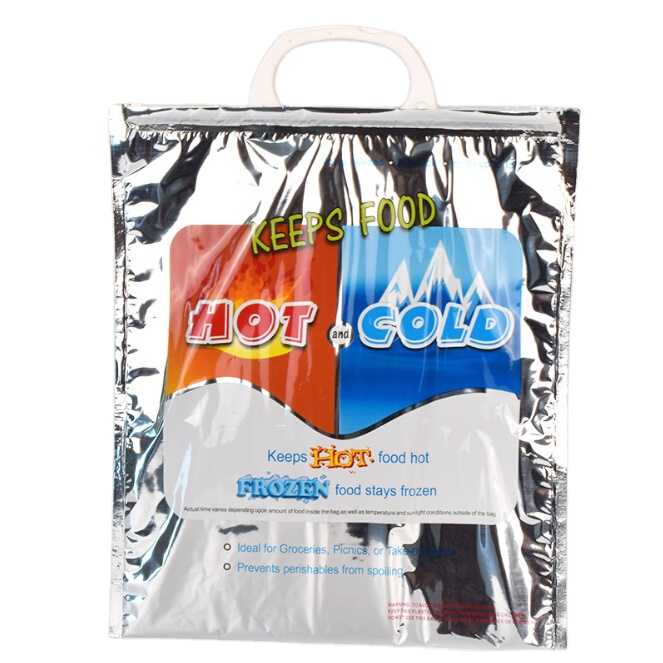
Seeing the material and seams in a sample helped us narrow the options before discussing size and printing.
Selection guide
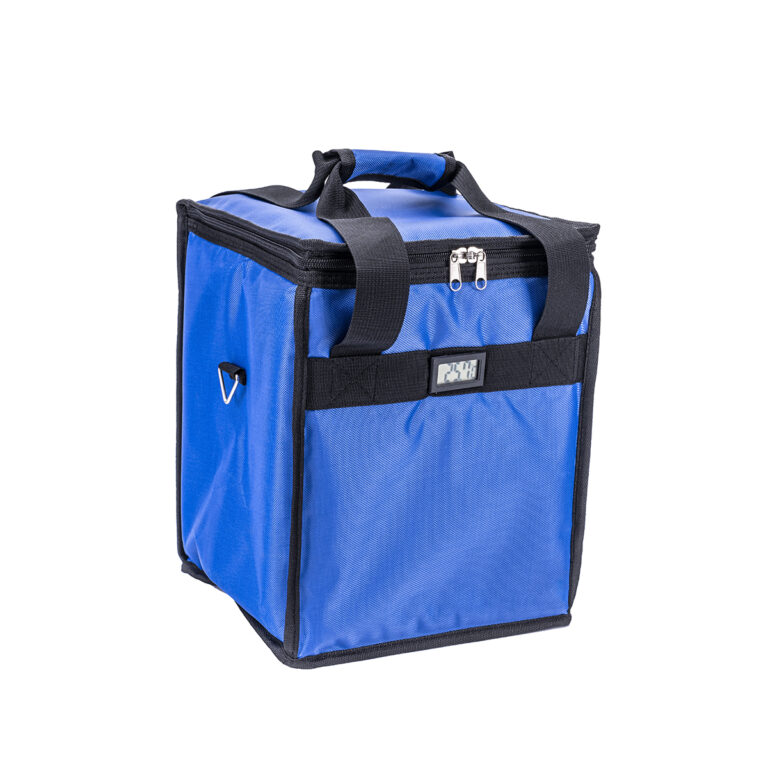
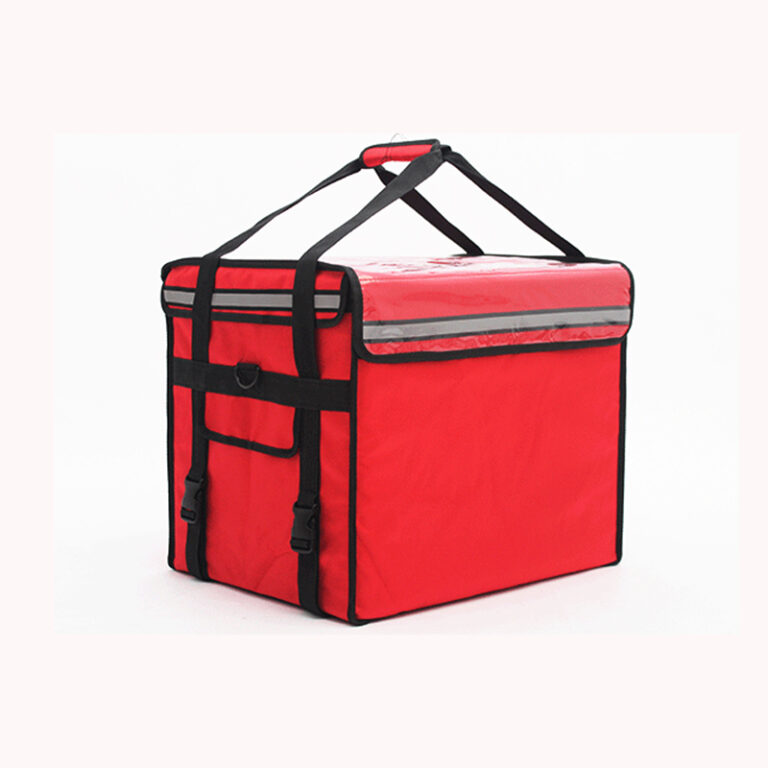
Choose an insulated bag from the payload, final container dimensions, route duration, number of openings, ambient exposure and cleaning process. Tempk supplies soft delivery bags, courier backpacks, wet-goods bags and selected medical cooler bags, with custom materials, closures and internal layouts for the actual route.
The best starting format depends on how the load is carried, opened, cleaned and paired with coolant. Product-specific materials and dimensions should be confirmed before a sample or route trial.
Nylon, Oxford cloth and PVC outer shells are available on different products. Compare zipper or hook-and-loop access, foil lining, bottom support and the final food-container dimensions.
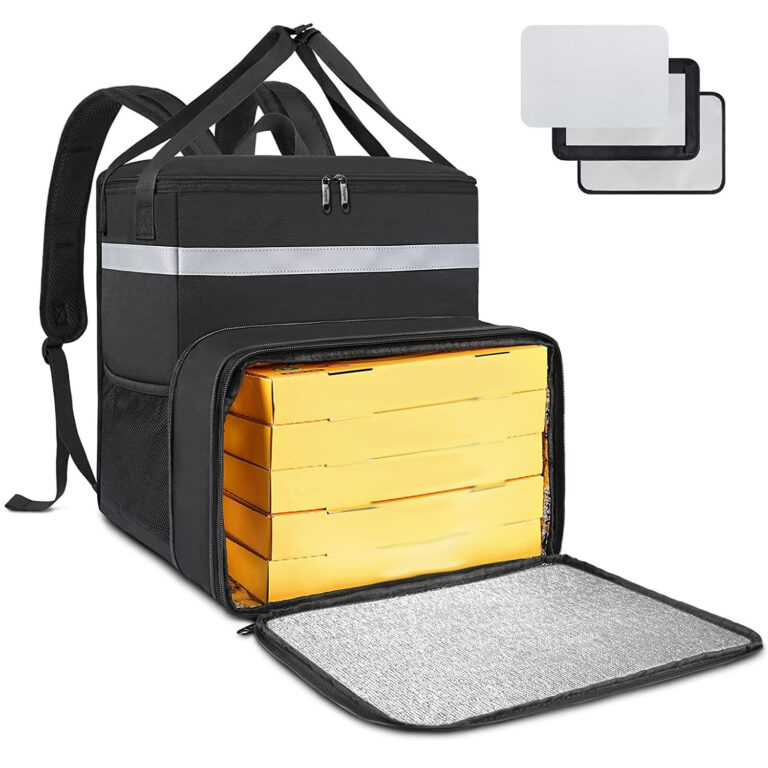
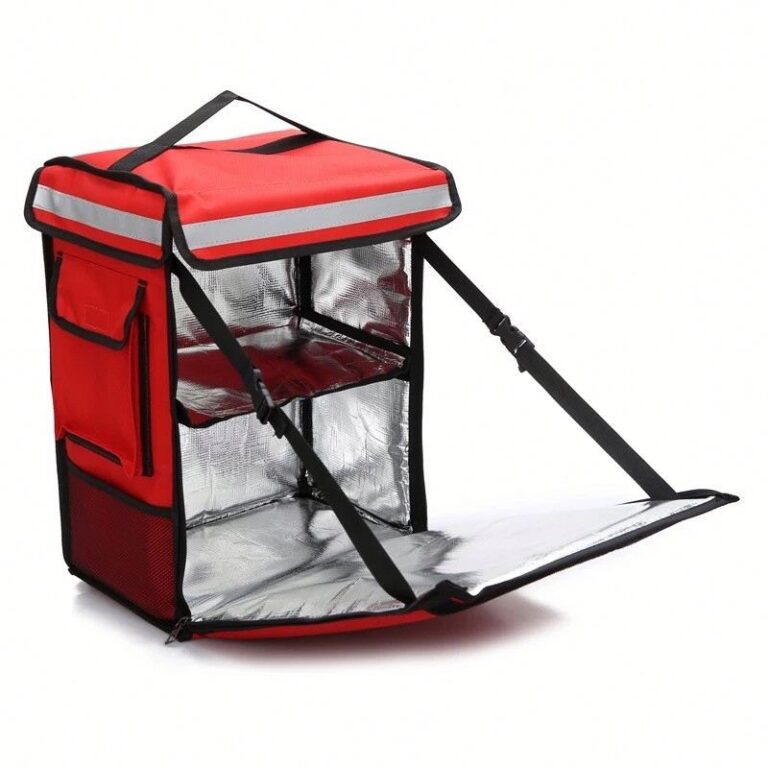
Backpack formats can add removable dividers, reflective details, ticket sleeves and expandable sections. Check rider fit, load balance, opening frequency and cleaning after each route.
A reinforced PEVA-lined product can help contain moisture for live fish, seafood and other wet loads. Inspect the lining and seams, protect them from sharp items, and dry the bag fully after cleaning.
Selected medical cooler bags can include PCM plate slots, organized compartments, monitoring pockets and lock options. Use them only as part of a validated temperature-controlled packout.
Use this comparison to narrow the format, then confirm the individual product construction and the complete packout.
| Format | Useful when | Confirm before selection |
|---|---|---|
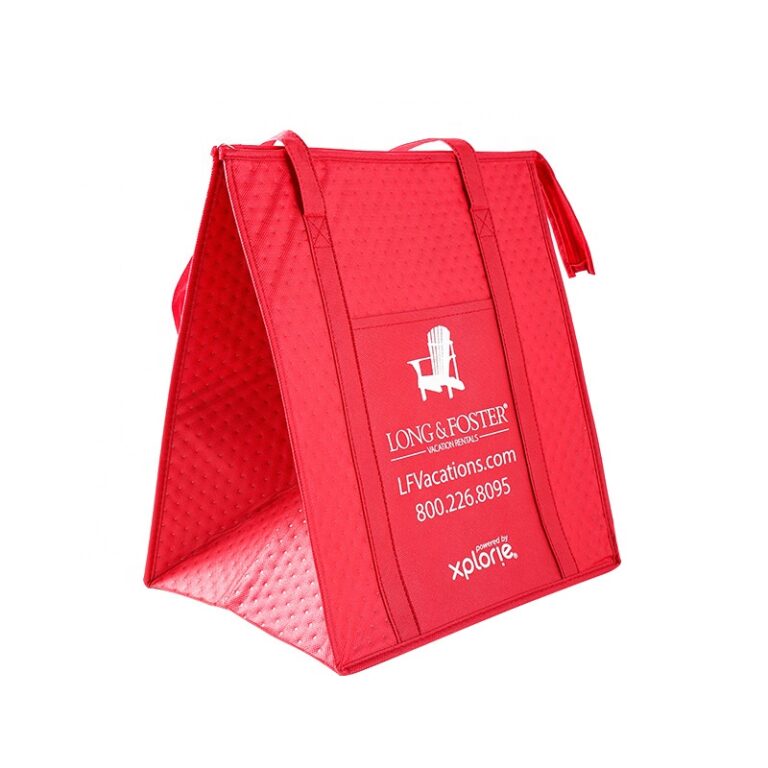
| Handled delivery bag | Meals, drinks, grocery and reusable delivery routes | Payload dimensions, closure, lining, carrying points and cleaning process |
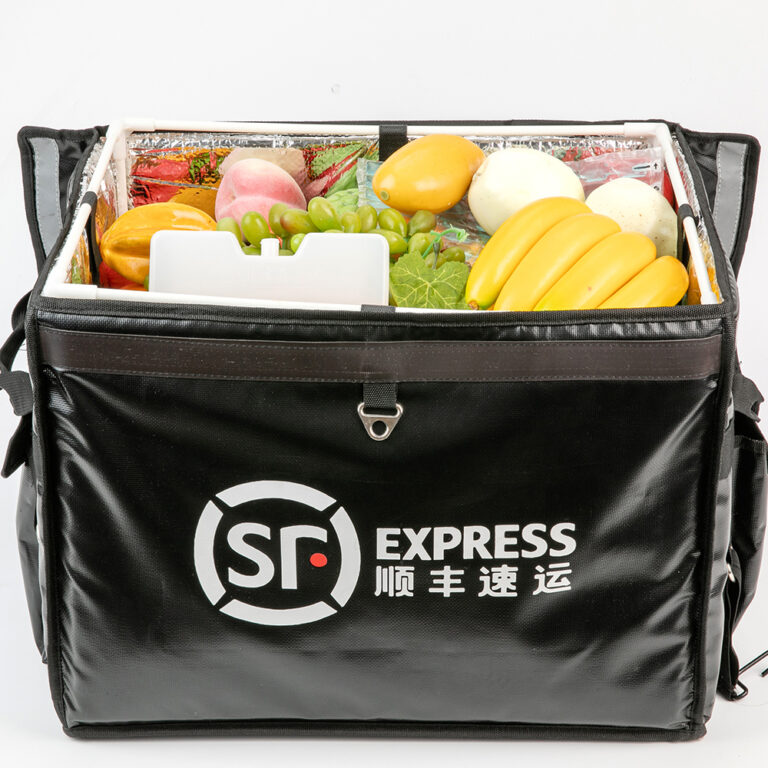
| Courier backpack | Bike or scooter delivery with several containers or drinks | Rider fit, divider layout, reflective details, load balance and opening frequency |
| PEVA wet-goods bag | Seafood, live-fish handling and wet chilled loads | Liner integrity, seam condition, liquid control, coolant and cleaning process |
| Medical cooler bag | Selected medicine or sample routes | PCM layout, monitoring position, security, payload and route validation |
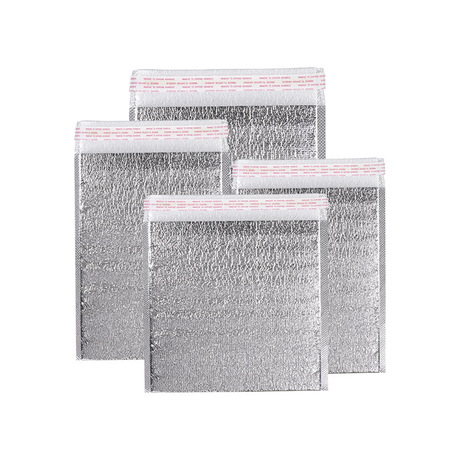
| Insulated box liner | An existing carton needs a foldable thermal liner | Carton internal dimensions, liner closure, coolant placement and full packout test |
| Thermal pallet cover | A loaded pallet needs protection during staging or transfer | Loaded pallet dimensions, closure, exposure window and securing method |
Product-specific choices include 210D nylon, 600D Oxford cloth, 500D PVC and non-woven polypropylene. Select the surface from abrasion, moisture, cleaning and handling needs rather than treating one material as standard for every bag.
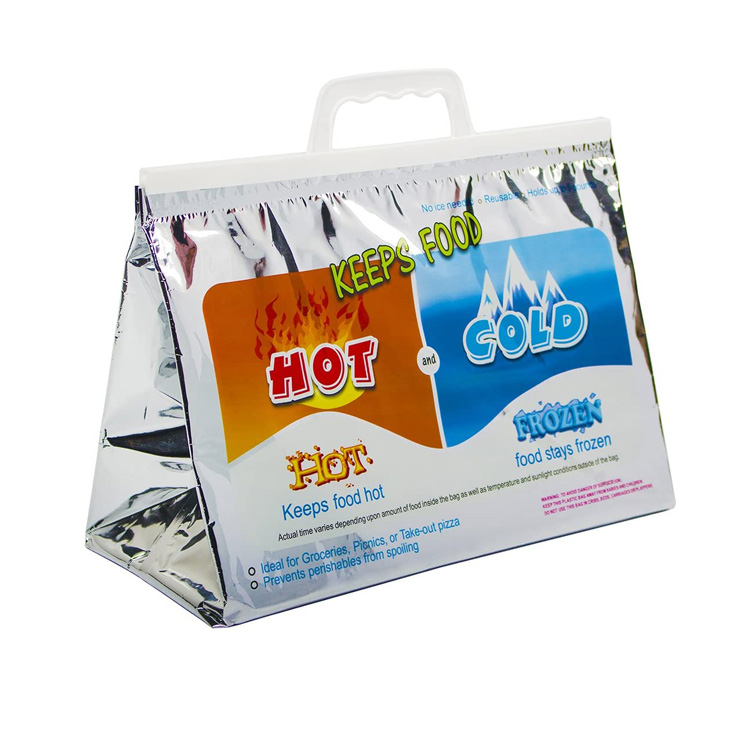
Depending on the product, the structure may use reflective foil, EPE, polyester insulation, padded layers or reinforced PEVA lining. The lining must suit the payload, cleaning process and expected contact risks.
Zippers, hook-and-loop closures, dividers, bottom boards, pockets, handles and shoulder straps change packing speed and route handling. Confirm the final layout with the actual containers.
Wipe cleanable linings after use, dry the bag fully and inspect seams, zippers, handles, straps and buckles before reuse. Follow the product-specific process for wet loads or heavy residue.
Record the product type, mass, dimensions, starting condition, temperature sensitivity and whether direct contact with frozen coolant must be avoided.
Include route duration, ambient exposure, vehicle and handoff points, number of openings and the time spent outside controlled space.
Select the outer shell, insulation, lining, closure, dividers and carrying method from handling and cleaning needs.
Use conditioned gel packs, ice bricks or PCM only when the route requires them. Position coolant and separators according to the tested layout.
Validate the bag, payload, coolant, closure and route together before using the packout for temperature-sensitive shipments.
An insulated bag is one part of a passive packout. Results change with bag size and construction, payload mass and starting condition, coolant, closure, opening frequency, route duration and ambient exposure. Use representative payloads and the intended route or chamber profile when a defined temperature limit must be demonstrated.
Both terms describe bags that slow heat transfer. On this site, the insulated bag category covers a broad range of shipping, delivery, wet-goods and selected medical formats, while the thermal bag page focuses on reusable handled delivery bags.
No. The need for conditioned coolant depends on the payload, target condition, route duration and ambient exposure. Chilled or frozen routes usually need a tested coolant layout; short hot-food routes may use insulation without coolant.
Follow the product-specific process. For common foil-lined delivery bags, remove residue, wipe the lining, dry the bag fully and inspect seams, closures and carrying points before reuse. Wet-goods bags may require a more thorough wash and drying process.
Tempk can support product-specific dimensions, materials, closures, dividers, pockets, straps, colors and branding. Confirm the final containers, payload and route before fixing the design.
Test the complete packout with a representative payload, conditioned coolant when required, the intended closure and a representative route or chamber profile. A bag alone does not establish a fixed temperature duration.
Plan from the actual route
Provide the final container dimensions, payload, route duration, expected ambient exposure, number of openings, cleaning process and any coolant or monitoring requirements. Tempk can then narrow the bag format and prepare a product-specific sample plan.
Discuss an insulated bag