VIP shipping container for humidity control shipping: Practical Selection Framework
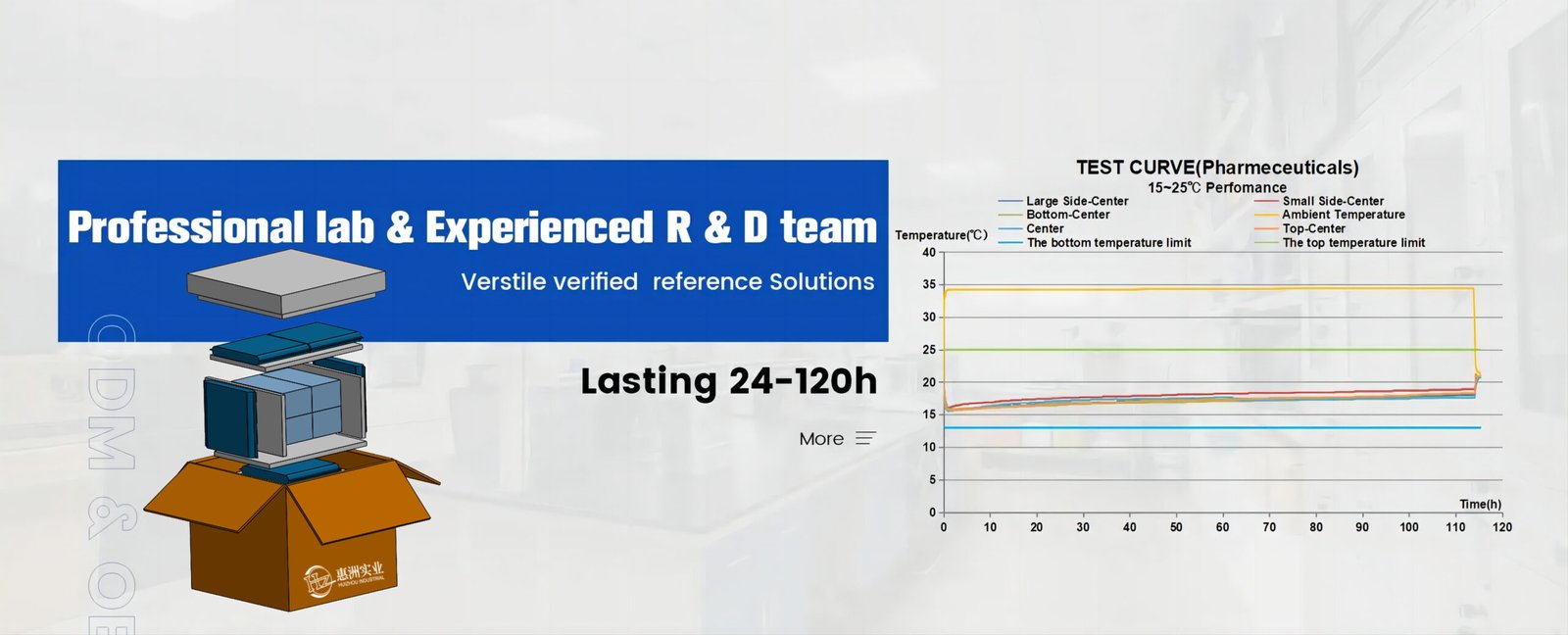
VIP shipping container for humidity control shipping: Selection Framework For buyers, the practical question is not whether VIP insulation sounds advanced, but whether the complete packout fits the product and route. A VIP shipping container for humidity control shipping can be a strong option when the shipment needs compact thermal protection, but it should be evaluated as part of a complete passive temperature-control system. That system includes the insulated shell, coolant or PCM plan, payload preparation, packing instruction, monitoring approach, handling communication, and receiving review. The buyer's job is to connect those parts to the product, the lane, and the decision that will be made after delivery. For quality manager, specialty materials shipper, pharmaceutical or diagnostic logistics team, the useful starting point is the real route: temperature-sensitive goods where condensation, moisture ingress, label damage, desiccant planning, or humidity data matters. The primary risk is that VIP insulation can reduce heat transfer, but it does not automatically control internal humidity; condensation...