Five Major Types of Ice Packs and Their Characteristics
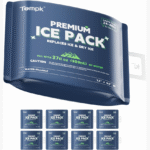
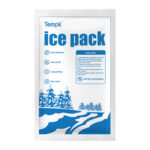
1. Standard Ice Packs
Advantages:
Low cost, simple manufacturing. Widely used in daily life and short-haul transport.
Reusable after freezing; user-friendly.
Limitations:
Relatively short cooling duration (typically hours).
Rigid texture when frozen; poor adaptability to irregular packaging.
2. Instant Cold Packs
Advantages:
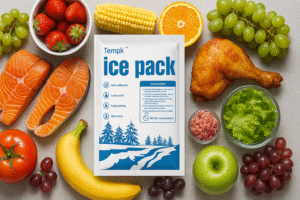
No pre-freezing required. Rapid cooling via squeezing/shaking—ideal for outdoor emergencies or medical use.
High flexibility for ad-hoc needs.
Limitations:
Higher per-use cost (typically single-use).
Short cooling effect (30–60 mins); unsuitable for prolonged storage.
3. Gel Ice Packs
Advantages:
Gel-like flexibility when frozen; conforms to irregular shapes.
Extended cooling duration (hours+); optimal for long-haul cold chain transport.
Reusable with high cost efficiency.
Limitations:
Higher cost than standard packs.
Leakage risks may contaminate goods; requires extra packaging.
Helpful decision tools
Check the details before you choose packaging
These quick tools can help you compare route risk, sizing needs, coolant choices, and packaging details before you request a quote.
Insulation Material Drop Resistance
Review drop resistance and handling factors before choosing insulation materials.
Check resistanceBox Liner & Pallet Cover Sizing
Check box liner and pallet cover sizing logic for insulated packaging projects.
Estimate sizingIce Pack Calculator
Estimate gel ice pack quantity for chilled shipments and practical route planning.
Estimate ice packs4. Water-Activated (Dry) Ice Packs
Advantages:
Compact & lightweight pre-use; low storage/transport costs.
Expands rapidly when hydrated; remains flexible when frozen.
Customizable sizing via cutting.
Limitations:
Requires pre-soaking & freezing; longer prep time.
Leakage upon rupture risks cargo contamination.
5. Fillable Ice Packs
Advantages:
Space-efficient storage/transport (empty). On-demand use by adding water.
Reduces inventory costs.
Limitations:
Water-filling & freezing delay usability.
Manual filling adds labor costs and operational steps.
This guide outlines five essential ice pack types for cold chain applications. Standard packs offer low-cost reusability but limited flexibility. Instant packs enable rapid cooling for emergencies, while gel packs provide extended temperature control and shape adaptability for long-haul transport. Water-activated variants minimize storage space, and fillable packs reduce inventory costs. Key selection criteria include cooling duration (30 mins to 12+ hrs), contamination resistance (gel/dry packs require leak-proof packaging), and cost efficiency. Optimize perishable goods protection by matching ice pack properties to specific transit needs and operational constraints.