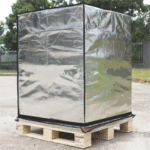
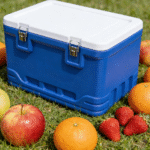
Picture a chef in Paris unwrapping pristine Hokkaido scallops after a 48-hour journey. Imagine a family biting into Argentine beef that tastes as vibrant as the day it was processed. Behind these moments lies a silent revolution: dry ice food packaging—the unsung hero transforming global gourmet logistics. Unlike traditional cold chains that merely slow decay, dry ice (solid CO₂ at -78.5°C/-109.3°F) actively suspends biological time, locking in flavor, texture, and safety from farm to fork.
Why Conventional Cold Chains Fail Premium Perishables
Food spoilage isn’t just about temperature—it’s a race against enzymatic reactions, microbial growth, and oxidative damage. Standard solutions stumble with high-value foods:
Gel packs can’t reach ultra-low temps needed for sushi-grade fish or specialty meats
Active refrigeration fails during airport tarmac delays or last-mile delivery
Foam shippers allow dangerous CO₂ buildup, risking package explosions
Inconsistent freezing causes ice crystal damage, destroying cell structures1
Dry ice packaging solves these by harnessing sublimation science: as CO₂ transitions from solid to gas, it absorbs 573 kJ/kg of ambient heat, creating a cryogenic micro-environment that halts microbial activity while preserving moisture and texture.
Tempk’s FrostLock™ System: Where Gourmet Meets Engineering
Tempk reengineered dry ice packaging into a precision food-preservation ecosystem, integrating breakthroughs from cryogenic science:
1. Intelligent Thermal Architecture
Multi-Zone Insulation: Nano-aerogel cores + reflective barriers cut heat intrusion by 40% vs. standard shippers, maintaining -70°C for 96+ hours even in 40°C ambients
Phase-Controlled Sublimation: Patented gas-diffusion layers slow CO₂ release, eliminating air pockets that cause uneven freezing in delicate items like truffles or foie gras
MoistureLock™ Liners: Prevent freeze-burn (a common flaw in traditional dry ice setups) by regulating humidity—critical for preserving tender textures1
2. Safety by Design, Simplicity by Default
Helpful decision tools
Check the details before you choose packaging
These quick tools can help you compare route risk, sizing needs, coolant choices, and packaging details before you request a quote.
Compliance Checklist Generator
Build a practical checklist for packaging review, shipping, and documentation.
Build checklistInsulation Material Drop Resistance
Review drop resistance and handling factors before choosing insulation materials.
Check resistancePackaging Selector
Compare insulated packaging options by product, route, and temperature need.
Find packagingZero-Pressure Venting: Auto-releases CO₂ at 1.5 PSI (exceeding IATA/UN 1845 standards), preventing ruptures
Bare-Hand Handling: FrostGuard™ exterior enables touch-safe transport at -70°C
Spill-Proof Trays: Segregated dry ice compartments prevent contact with food, meeting FDA 21 CFR compliance
3. The Sustainable Cold Chain
Carbon-Captured Ice: Uses recycled industrial CO₂ (diverting 9 tons/month from atmosphere)
35% Less Ice Consumption: Optimized geometry extends cooling efficiency, reducing waste
Reusable Ecosystem: 100+ trip lifespan (vs. 3-5 uses for foam), slashing packaging waste by 60%
Real-World Impact: From Waste to Wow
Sushi Revolution: A Tokyo-to-Dubai tuna supplier reduced spoilage from 12% to 0.8%, achieving “superfrozen” (-60°C) texture preservation
Artisan Cheese Rescue: A French fromagerie extended premium brie’s shelf-life by 22 days during export
Tropical Triumph: Philippine mango shipments to Canada arrived with 98% less sugar degradation versus gel-pack methods
Tomorrow’s Food Logistics, Today
Tempk’s 2025 IoT-integrated packs will embed:
Sublimation sensors predicting dry ice replenishment needs
GPS thermal mapping for real-time freshness audits
Blockchain-enabled freshness ledgers from producer to consumer