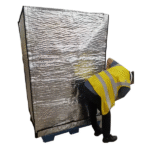
Imagine slicing into Wagyu beef that tastes like it just left the Tokyo market – after traveling 8,000 miles. Or serving scallops so fresh, their oceanic sweetness remains intact from Norway to Singapore. This isn’t culinary magic; it’s dry ice food packaging at work. By harnessing solid CO₂’s cryogenic power (-78.5°C/-109.3°F), this technology presses “pause” on decay, locking in flavor, texture, and safety where traditional cold chains fail.

Why Ice Packs Can’t Protect Premium Perishables
Food spoilage is a silent thief:
Gel packs max out at -20°C – too warm for sushi-grade fish or rare truffles
Air freight temperature swings cause ice crystal damage, turning tender meats rubbery
Last-mile delivery gaps allow bacterial blooms in delicate products
CO₂ buildup in sealed packages risks explosions (a real hazard with loose dry ice)
Dry ice solves these by creating a micro-cryogenic environment:
→ Sublimation absorbs 573 kJ/kg of ambient heat
→ Microbial activity halts below -50°C
→ Moisture retention prevents freezer burn
Tempk’s GourmetGuard™ System: Precision Engineering for Flavor
Tempk’s food-grade dry ice packaging transforms shipping into preservation science:
1. Intelligent Thermal Control
Triple-Zone Insulation: Nano-aerogel core + radiant barrier + vapor shield maintain -70°C for 96+ hours (even in 40°C Dubai heat)
Sublimation Management: Gas-diffusion layers slow CO₂ release, preventing “cold spots” that damage delicate items like berries or foie gras
HumidityLock™ Liners: Regulate moisture to ±3% RH – critical for preventing chocolate bloom or cheese rind cracking
Helpful decision tools
Check the details before you choose packaging
These quick tools can help you compare route risk, sizing needs, coolant choices, and packaging details before you request a quote.
01Handling riskInsulation Material Drop Resistance
Review drop resistance and handling factors before choosing insulation materials.
Check resistance02Checklist supportCompliance Checklist Generator
Build a practical checklist for packaging review, shipping, and documentation.
Build checklist03Dry ice planningDry Ice Calculator
Estimate dry ice needs for frozen or ultra-cold shipments before packing.
Estimate dry ice
2. Safety Meets Simplicity
Auto-Venting Design: Releases CO₂ at 1.8 PSI (exceeding IATA/UN 1845 standards)
Touch-Safe Exterior: Handle at -70°C without gloves (FrostShield™ technology)
FDA-Compliant Separation: Dedicated CO₂ chambers prevent food contact
3. Sustainability Engineered In
Carbon-Neutral Ice: Uses captured industrial CO₂ (diverting 12 tons/month)
35% Less Consumption: Patented geometry extends cooling efficiency
100+ Reusable Cycles: Outlasts foam shippers 20:1
Real-World Gastronomy Wins
| Application | Result |
|---|---|
| Sushi-Grade Tuna | Tokyo→NYC spoilage ↓ from 15% → 0.9% |
| Artisan Cheese Export | Brie shelf-life ↑ 18 days |
| Luxury Chocolate | Bloom defects ↓ 92% in tropical transit |
The Future: Smart Freshness
Tempk’s 2025 IoT integration will feature:
Sublimation sensors alerting when to replenish ice
Blockchain freshness certificates from harvest to table
GPS thermal history logs for compliance audits