Keep dry ice away from bare skin, children and pets, and handle the parcel in an appropriately ventilated area. Never seal leftover dry ice in a container or put it in a drain. Follow the sender’s handling and disposal instructions, and check the delivered product’s temperature evidence before deciding it is usable.
First identify what arrived
Read the package markings and sender’s instructions. “Dry ice” means solid carbon dioxide, whereas a reusable gel pack or hydrated sheet needs different handling. Do not cut open an unidentified coolant pack to inspect its contents.
If a package is swollen or appears pressurized, do not improvise a method to puncture it. Keep people away and obtain assistance from the sender or a trained workplace responder.
Remove the goods using a planned process
- Prepare a suitable ventilated area and prevent access by children, pets and untrained people.
- Use suitable insulated gloves or handling tools; avoid direct skin contact.
- Follow the sender’s opening procedure and keep your face away from the opening.
- Move the product promptly to its specified storage conditions.
- Record receipt condition and any logger results required by the shipment instructions.
Do not rely on a visible block of dry ice to establish that the product was always in range. A temperature-sensitive product may have experienced an earlier excursion or localized overcooling.
Manage the remaining dry ice
Dry ice continues to release CO₂. CDC: carbon dioxide exposure associated with dry ice describes hazardous gas accumulation; package gas release and room ventilation are both necessary. A sealed cooler, waste bin, bottle or bag can also develop dangerous pressure.
Follow the sender’s disposal guidance or your workplace’s procedure for a controlled, ventilated location inaccessible to others. Do not leave it in an occupied confined space, vehicle or closed storage room. Do not place it in sinks, toilets or drains, and do not mix it with household chemicals or hot water.
If you cannot provide a suitable location, contact the sender or an appropriate local service for instructions. Do not transport leftovers in a way that exposes occupants to accumulating gas.
Helpful decision tools
Check the details before you choose packaging
These quick tools can help you compare route risk, sizing needs, coolant choices, and packaging details before you request a quote.
Insulation Material Reference
Compare insulation material choices for different cold chain packaging needs.
Compare materialsDry Ice Calculator
Estimate dry ice needs for frozen or ultra-cold shipments before packing.
Estimate dry iceIce Pack Calculator
Estimate gel ice pack quantity for chilled shipments and practical route planning.
Estimate ice packsAssess the delivered product separately
For food, use the applicable product handling requirements and assess receipt condition. For pharmaceuticals or vaccines, preserve the temperature record and hold potentially affected goods according to the responsible organization’s excursion procedure. Appearance, smell or a cold surface cannot establish medicine potency.
For vaccine-specific handling and excursion resources, consult CDC vaccine storage and handling resources. The receiving organization should decide disposition with the relevant manufacturer or program guidance, rather than discarding or releasing doses on guesswork.
Frequently asked questions
Can I put dry ice in a freezer?
Do not use a household freezer as a dry-ice storage or regeneration method. Follow suitable dry-ice storage instructions and ventilation controls.
Can I throw it in the rubbish?
Do not place dry ice in a sealed waste container. Follow the sender’s instructions and the local or workplace disposal procedure.
What if someone feels unwell near the package?
Leave the area for fresh air if this can be done safely and contact emergency services. Do not enter a suspected hazardous atmosphere to retrieve the package.
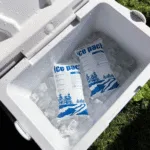
Can the reusable-looking pack be refrozen?
Identify the material first. Solid CO₂ and water or gel packs are different; see the coolant identification guide.
Check the coolant type
Read whether a coolant can be refrozen before attempting reuse.