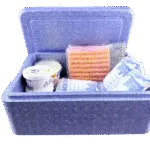
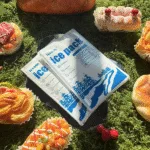
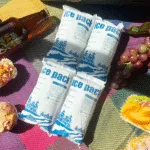
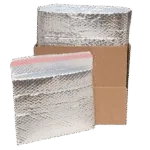
Vaccine transport must follow the specific product’s storage and transport instructions. Do not assign every vaccine a universal 2–8°C range or assume that colder is safer. Select suitable equipment and conditioned coolant, monitor the shipment, and use a defined response when temperature conditions fall outside the permitted limits.
Confirm the requirements for the actual vaccine
Identify the vaccine, presentation and state, including whether it is frozen, thawed or reconstituted where relevant. These can change the applicable conditions. Obtain the current manufacturer instructions and program requirements rather than using a generic temperature table.
CDC vaccine storage and handling resources provides storage and handling resources for vaccine programs. It is guidance for appropriate handling, not evidence that a particular packaging product is approved or that every vaccine shares the same limits.
Avoid both warming and freezing damage
For freeze-sensitive products, direct contact with frozen coolant can be a risk. Use a suitable carrier and the prescribed conditioning and separation arrangement. Conditioning establishes the coolant’s required starting state; surface appearance alone may not confirm it.
Dry ice is not a general substitute for water packs or chilled gel packs. It creates a very different thermal environment and adds CO₂ handling requirements. Use it only within the instructions appropriate to the specific product and system.
Plan a complete transport system
| Element | What to confirm |
|---|---|
| Product | Permitted range, exposure limits and handling instructions. |
| Packaging | Qualified configuration for the payload and route duration. |
| Coolant | Material, amount, conditioning and placement. |
| Monitoring | Suitable temperature device, calibration, positions and records. |
| Route | Transfers, delays, dispatch and receiving arrangements. |
| Response | Contacts, hold procedure and disposition responsibilities. |
If your vaccine program requires WHO-prequalified equipment, check the exact model and its current listing in the WHO immunization equipment directory, and request the corresponding supplier documentation. Confirm that the listed configuration matches the equipment you are considering. A listing does not by itself demonstrate suitability for your particular payload and route; review that packaging performance evidence separately.
Prepare, dispatch and receive
- Use the specified payload and coolant preparation conditions.
- Check the carrier, separators and coolant against the accepted packout instructions.
- Start and position the monitoring device as specified.
- Confirm the receiving location and appropriate storage are ready.
- Record dispatch and receipt times and preserve the temperature data.
- Assess any exception using the responsible organization’s procedure.
Keep instructions practical enough to repeat. A labeled photograph or loading diagram can help operators reproduce the configuration, but should correspond to the tested system.
Helpful decision tools
Check the details before you choose packaging
These quick tools can help you compare route risk, sizing needs, coolant choices, and packaging details before you request a quote.
Ice Pack Calculator
Estimate gel ice pack quantity for chilled shipments and practical route planning.
Estimate ice packsPackaging Selector
Compare insulated packaging options by product, route, and temperature need.
Find packagingCoolant & PCM Reference
Compare coolant and PCM options when a route needs added temperature support.
Compare optionsRespond to a temperature excursion
Identify and hold affected vaccines according to the program’s procedure, prevent their use pending assessment, and preserve the temperature record. Notify the designated responsible person and seek manufacturer or immunization-program guidance as appropriate.
Do not release vaccine doses because they still look normal. Do not discard them solely on an unreviewed alarm if the procedure calls for assessment. The disposition decision needs the product-specific evidence and authorized judgment.
Frequently asked questions
Are all vaccines transported at 2–8°C?
No. Follow the particular product’s current instructions, including any conditions that change after thawing or preparation.
Can extra ice packs improve safety?
Extra frozen coolant can increase freezing risk and change the qualified configuration. Use the specified amount and placement.
Does a logger prevent an excursion?
It records conditions. Prevention also depends on packaging, preparation, route management and handling.
Is an ordinary cooler sufficient?
Its appearance does not establish performance. Use suitable equipment supported by evidence for the intended product and exposure.
Define the supporting study
Our transport validation guide explains the inputs to a packaging and route study.