Chocolate shipping should protect the actual product from damaging temperature changes, moisture and handling. More cooling is not automatically better. Plain bars, filled chocolates and refrigerated desserts can have different requirements, so use the maker’s instructions and a packing arrangement assessed for that product.
Separate quality targets from food-safety requirements
Identify the chocolate type, fillings, primary package, storage instructions and accepted arrival quality. A shelf-stable bar and a fresh dairy-filled confection should not inherit the same shipping limits from a generic chocolate range.
Use the responsible food-safety process for perishable ingredients and shelf life. Appearance alone does not establish whether a filled confection remains safe after uncertain exposure.
Account for temperature changes and moisture
Callebaut: chocolate storage and temperature changes explains that inappropriate storage and temperature changes affect finished chocolate quality. Callebaut: sugar bloom and condensation identifies temperature shocks and condensation among conditions associated with sugar bloom.
Use those quality principles without treating a maker’s storage tutorial as proof of your parcel’s transport performance. Assess the transition into the receiving environment as well as the warm part of the journey.
Design the complete chocolate packout
| Input | What to decide |
|---|---|
| Product | Its actual temperature, ingredient and appearance requirements. |
| Primary package | Protection from moisture, contamination and physical damage. |
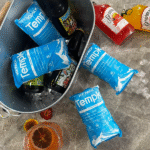
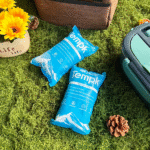
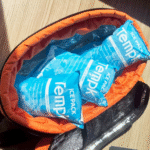
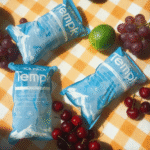
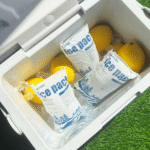
| Coolant | Suitability for the product and separation from damaging cold contact. |
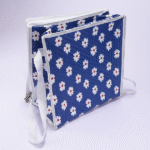
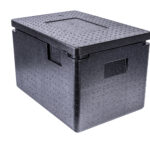
| Insulation | The complete container, closure and loading arrangement. |
| Receiving | How the product is handled and moved into suitable conditions. |
Do not choose solid CO₂ simply because it is the coldest option. Direct or excessive cooling can be unsuitable for the intended quality or ingredients. Use supplier permission and evidence for any proposed coolant.
Helpful decision tools
Check the details before you choose packaging
These quick tools can help you compare route risk, sizing needs, coolant choices, and packaging details before you request a quote.
Coolant & PCM Reference
Compare coolant and PCM options when a route needs added temperature support.
Compare optionsInsulation Material Reference
Compare insulation material choices for different cold chain packaging needs.
Compare materialsIce Pack Calculator
Estimate gel ice pack quantity for chilled shipments and practical route planning.
Estimate ice packsTest both the route and the unpacking stage
- Use representative chocolate loads and packaging.
- Include demanding seasonal exposure and credible delay.
- Monitor justified product locations for warming and overcooling.
- Inspect appearance and primary-package condition after the relevant exposure.
- Assess the receiving transition under the maker’s handling instructions.
- Document the accepted loading and receipt procedure.
Avoid using a single temperature or humidity value as a universal shipping rule for every chocolate. Retain the actual limits and evidence for the specific product.
Frequently asked questions
Does colder shipping prevent every chocolate defect?
No. Product composition, temperature changes, moisture and physical handling all matter.
Is bloom the same as a food-safety decision?
No. Quality assessment and the applicable food-safety process have different purposes.
Can I use an ice-cream packout for plain chocolate?
Do not assume equivalence. Match the actual chocolate requirements and assess the revised configuration.
Prepare a product-specific comparison
Bring the maker’s instructions, ingredients, dimensions and route to the packaging test. For the wider operating process, see the food cold-chain management guide.