What Are the Temperature Control Standards in the Cold Chain for Seafood Ingredients?
Fresh fish and shellfish spoil quickly, so understanding the cold chain for seafood ingredients and its strict temperature control standards is essential. Fresh seafood must be kept between 0 °C and 5 °C, and frozen products should stay at −18 °C or colder. The U.S. FDA Food Code sets a maximum coldholding temperature of 41 °F (5 °C) for all perishable foods. In this 2025 guide you’ll learn why these limits matter, how to meet them in your business, and what new technologies and regulations will shape the seafood cold chain in the years ahead.
This Article Will Answer
Why is strict temperature control critical for seafood? We explain how proper chilling slows microbial growth and preserves texture.
Which regulations govern the seafood cold chain in 2025? Explore FSMA, EU hygiene laws and the latest protocols.
How can you maintain safe temperatures during storage and transport? Discover practical tips, equipment recommendations and selfassessment tools.
What role do traceability and documentation play? See how digital records help you comply and manage recalls.
What are the key 2025 trends and innovations? Learn about IoT sensors, AI route optimisation and sustainability initiatives.
Why Is Temperature Control Critical in the Seafood Cold Chain?
The science behind spoilage
Seafood is highly perishable because enzymes and bacteria rapidly break down tissues after harvest. Keeping fish near the temperature of melting ice (0 °C to 5 °C) slows microbial growth and preserves texture. When temperatures climb into the “danger zone” between 5 °C and 57 °C, bacteria like Salmonella and E. coli can double every 20 minutes, increasing the risk of foodborne illness. The CDC estimates that 48 million Americans suffer foodborne diseases each year, and many cases are linked to improper cold chain management.
Fresh vs. frozen: different thresholds
You’ll encounter two distinct categories in the seafood cold chain:
| Temperature Range | Product Examples | Benefits | What it means for you |
| 0 °C – 5 °C | Fresh fish, chilled fillets, shellfish | Maintains texture, slows bacterial growth | Use ice or refrigerated rooms to keep within this range; monitor continuously |
| ≤ –18 °C | Frozen fish, fish blocks, fish fingers | Stops microbial activity and extends shelf life | Invest in validated freezers and ensure products never thaw during transport |
| 41 °F (5 °C) or lower | Highrisk foods (dairy, meats, seafood) | Keeps products out of the danger zone | Verify that storage units and display cases operate at or below 5 °C |
These ranges form the backbone of global standards. Exceeding them accelerates spoilage and reduces shelf life.
Immediate chilling and continuous monitoring
Time is your enemy. Perennia’s chilling guide (referenced by regulators) recommends chilling seafood to 0 °C immediately upon capture. Delays allow enzymes to activate and bacteria to multiply. Continuous monitoring with data loggers or IoT sensors is vital. Sensors send alerts when temperatures drift outside safe ranges, enabling quick corrective action. Investing in modern thermometers and calibrating them regularly ensures accuracy.
Which Regulations Govern the Seafood Cold Chain in 2025?
Regulatory frameworks
Hazard Analysis and Critical Control Points (HACCP): This foundational program requires you to identify hazards, establish critical control points and monitor them. It forms the basis of most national standards.
Good Manufacturing Practices (GMP) and Sanitation Standard Operating Procedures (SSOP): These rules cover facility hygiene, equipment design and personnel training.
Food Safety Modernization Act (FSMA, U.S.):
Sanitary Transportation Rule: Shippers, loaders and carriers must use vehicles and equipment capable of maintaining safe temperatures and prevent cross contamination.
FSMA 204 (Food Traceability Rule): Seafood products on the Food Traceability List must maintain records of Key Data Elements at Critical Tracking Events and provide them to the FDA within 24 hours. The original compliance date was January 2026, but it may extend to July 2028.
Foreign Supplier Verification Program (FSVP): Importers must verify that overseas suppliers meet U.S. safety standards and maintain endtoend visibility.
European Union Hygiene and Fisheries Regulations: EU Regulation 852/2004 requires maintaining the cold chain for foods unsafe at ambient temperature; it emphasises temperature control and digital vessel tracking for seafood.
FAO Guidelines: The Food and Agriculture Organization notes that chilled fish products should be kept as close as possible to 0 °C, while frozen fish must be maintained at –18 °C or colder. Exceptions exist for brinefrozen fish intended for canning, which may be transported at –9 °C.
The FDA Food Code
Even though seafood has unique properties, it must still comply with general food safety rules. The FDA Food Code states that cold foods, including seafood, must be held at 41 °F (5 °C) or below. Exceeding this limit allows bacteria to proliferate and can trigger recalls. Many state and local authorities adopt this code, so understanding it helps you pass inspections.
Documentation and certification
Proper paperwork protects consumers and facilitates trade. Essential documents include bills of sale, shipping notes, certificates of origin and health certificates. Certifications like FSSC 22000, BRCGS or IFS Logistics demonstrate compliance and boost buyer confidence. Keep digital copies and stay updated on regulatory changes.
How to Maintain Safe Temperatures During Storage and Transport
Practical tips and hygiene best practices
- Chill immediately and maintain 0 °C:After catch, use crushed ice or slurry ice to bring seafood down to 0 °C. Maintain that temperature throughout storage and transportation; temperature abuse is the primary cause of freshness loss.
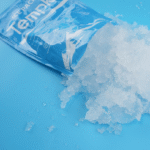
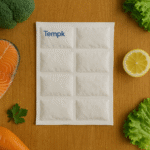
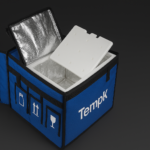
- Use appropriate packaging and insulation:Insulated boxes, vacuum packaging, gel ice packs and thermal liners reduce thermal fluctuations. Multitemperature vehicles allow you to transport different products without compromising fish.
- Adopt hygiene best practices:Use clean water and sanitary ice; dirty ice transfers bacteria and accelerates spoilage. Train staff to avoid cross contamination when handling raw and cooked seafood.
- Implement continuous monitoring:Equip containers and vehicles with IoT sensors that record temperature and humidity. The FDA Food Code recommends checking storage units every four hours.
- Manage ice and refrigerants:Bring adequate ice for the catch volume, ambient temperature and trip length. Consider seawater ice for colder storage; it melts more slowly but may require additional management.
- Calibrate equipment:Verify thermometers and sensors for accuracy; inaccurate readings can lead to unintentional temperature abuse.
Selfassessment decision tool
Use this simple checklist to evaluate your operations. For each question, answer Yes or No.
Do you chill fish to 0 °C or lower immediately after capture?
Are your refrigeration units capable of maintaining 0–5 °C for fresh fish and ≤ –18 °C for frozen fish?
Do you have realtime temperature and location monitoring across all transport stages?
Are your staff trained in HACCP, GMP and SSOP procedures?
Is all documentation (temperatures, cleaning, traceability) stored digitally and accessible within 24 hours?
If you answered No to any question, consider investing in improved equipment or training. Digital platforms can automate temperature tracking and recordkeeping, and regular audits help verify compliance.
Equipment and packaging options
| Equipment/Packaging | Purpose | Benefits | How it helps you |
| Insulated boxes and liners | Maintain temperature during transit | Reduce thermal fluctuations; reusable and lightweight | Keep fish at 0 °C; protect from external heat |
| Gel ice packs & eutectic plates | Provide sustained cold | Release cold energy gradually; reusable; less messy than loose ice | Useful for small parcels and mixed loads |
| Vacuum packaging & modified atmosphere packaging (MAP) | Reduce oxygen exposure | Slow oxidation and bacterial growth; extend shelf life | Ideal for fillets and readytoeat products |
| IoT temperature sensors and data loggers | Continuous monitoring | Realtime alerts when temperatures deviate | Prevents breaches; supports compliance and audits |
| Multitemperature vehicles | Segmented compartments for different temperature zones | Carry fresh and frozen seafood together; reduce logistic costs | Maintain product integrity and meet diverse customer needs |
Interactive infographic
To visualise the seafood cold chain, consider the following illustration. It shows fish packed in boxes with ice, a refrigerated truck, and sensors tracking conditions at each stage. This concept highlights the flow from harvest to market and underscores the role of temperature control.
How Do Traceability and Documentation Support Compliance?
Mislabelling and the need for traceability
Complex supply chains make seafood susceptible to fraud. A 2025 metaanalysis compiling 35 U.S. studies found an overall mislabelling rate of 39.1 % with species substitution occurring in 26.2 % of samples. Such mislabelling erodes consumer trust and can compromise safety. Endtoend traceability reduces mislabelling and enables targeted recalls.
Building an effective traceability system
Capture catch data: Record date, time, species, location and fishing method immediately after harvest. Delays or estimated entries increase error and fraud.
Assign unique identifiers: Tag each catch or lot with batch numbers, QR codes or RFID tags. When splitting or merging batches, create subbatch numbers and maintain parent–child relationships.
Standardise data formats: Use GS1 standards to ensure interoperability across vessels, processors and retailers.
Implement realtime tracking: Deploy GPS and IoT sensors to monitor location and temperature. Blockchain or secure databases provide tamperproof records.
Helpful decision tools
Check the details before you choose packaging
These quick tools can help you compare route risk, sizing needs, coolant choices, and packaging details before you request a quote.
Compliance Checklist Generator
Build a practical checklist for packaging review, shipping, and documentation.
Build checklistPackaging Selector
Compare insulated packaging options by product, route, and temperature need.
Find packagingIce Pack Calculator
Estimate gel ice pack quantity for chilled shipments and practical route planning.
Estimate ice packsEducate and collaborate: Train fishers, processors and drivers on accurate data entry and proper handling. Collaborate with government agencies and NGOs for guidance and funding.
Automate reporting: Use digital platforms to generate HACCP, FSMA and GFSI compliance reports automatically.
Benefits of traceability
Effective systems enable faster recalls, protect brand trust and deter fraudulent practices. For example, a processor implemented QR codes and digital logs for each catch. When a temperature deviation occurred during transport, they traced the problem to a specific batch and contacted distributors within minutes. This targeted recall saved them from pulling an entire shipment off shelves.
Common Pitfalls and How to Avoid Them
While regulations and technology provide a framework, operational lapses can still undermine your cold chain. Here are frequent issues and ways to address them:
Temperature abuse at loading: Fish at the edges of a load warm faster than those at the centre; ensure uniform stowage and avoid leaving doors open.
Poor packaging and stowage: Incorrect temperature settings or inadequate insulation may lead to warming or freezing. Use proper packaging and avoid overloading pallets.
Using refrigerated transport to cool fish: Vehicles should maintain temperature, not cool warm product. Prechill seafood before loading.
Inadequate air circulation: Ensure ventilation in containers and reefers so that cold air circulates evenly.
Uncalibrated thermometers: Regularly calibrate sensors and thermometers to prevent false readings.
Untrained staff: Invest in training programs for HACCP, GMP and SSOP. Crosstrain employees so that everyone can respond to temperature alarms.
2025 Trends and Innovations in the Seafood Cold Chain
Market growth and sustainability
The global cold chain logistics market is booming. Precedence Research estimates that the market size will rise from US$436.30 billion in 2025 to roughly US$1,359.78 billion by 2034, a compound annual growth rate of 13.46 %. Asia–Pacific is projected to grow at about 14.3 % annually. Growth in frozen seafood consumption is equally striking: the global frozen seafood market is forecast to expand from US$24.78 billion in 2025 to US$42.58 billion by 2034. Sustainability is at the heart of this expansion; companies are adopting ecofriendly packaging and energyefficient refrigeration to reduce environmental impact.
Technological innovations
IoT and realtime monitoring: Connected sensors have become baseline requirements for fish cold chain monitoring. They provide continuous temperature and humidity data and trigger alerts when breaches occur.
AIdriven route optimisation: Artificial intelligence helps logistics providers optimise delivery routes, reducing transit times and energy consumption.
Blockchain and digital traceability: Blockchain offers tamperproof records and consumerlevel transparency. The seafood traceability software market is expected to surge from US$705 million in 2024 to US$1.84 billion by 2033.
Ambient IoT and batteryfree sensors: Emerging tags harvest energy from radio waves, enabling lowcost, maintenancefree monitoring.
Solarpowered refrigeration: Rising electricity prices drive adoption of solar-powered cold chain systems. U.S. commercial solar rates range from 3.2–15.5 cents per kWh, compared with an average utility rate of 13.1 cents per kWh in 2024.
Cybersecurity focus: As IoT adoption grows, governments and companies emphasise securing sensors and networks.
New protocols and industry initiatives
In July 2025, the Global Cold Chain Alliance (GCCA) and the American Frozen Food Institute (AFFI) released a protocol standardising temperature monitoring across the frozen food supply chain. The protocol provides a unified, datadriven approach to tracking temperature fluctuations from production to distribution. Its guidance includes identifying critical monitoring points, establishing baseline measurements and adopting best practices for data management. Implementation promises to improve operational efficiency, enhance food quality and support sustainability. Future phases will address shelflife optimisation and energy measurement.
Regional developments and regulatory updates
Across the world, governments are tightening requirements and investing in infrastructure. Europe is implementing digital traceability and vessel tracking for seafood, and Indonesia and other nations are aligning with GDST standards. In North America, ecommerce growth spurs investments in cold storage and multitemperature vehicles. Regulators are also proposing to extend the FSMA 204 compliance deadline to July 2028, but proactive companies are adopting traceability systems now to gain competitive advantage.
Frequently Asked Questions
Q1: What temperature should fresh and frozen fish be stored at?
Fresh fish should be kept between 0 °C and 5 °C, and frozen fish must remain at −18 °C or colder. For general coldholding, the FDA requires 41 °F (5 °C) or below.
Q2: What documents are required for exporting fish?
You need a bill of sale, shipping note, certificate of origin, health certificates and proof of HACCP/FSSC 22000 certification. Maintaining digital records speeds customs clearance.
Q3: What is FSMA 204, and how does it apply to seafood?
The FSMA Food Traceability Rule requires seafood businesses to record Key Data Elements at every Critical Tracking Event and provide records to the FDA within 24 hours. Compliance deadlines may be extended to July 2028, but early adoption is recommended.
Q4: How can I prevent mislabelling in my seafood supply?
Use unique identifiers (batch numbers, QR codes or RFID tags), maintain accurate digital records and implement realtime tracking. Standardise data formats and conduct regular audits.
Q5: Are there differences between EU and U.S. regulations?
Both frameworks require strict temperature control and traceability. The EU emphasises hygiene principles and digital vessel tracking, while the U.S. focuses on sanitary transportation and recordkeeping under FSMA.
Q6: What happens if seafood is stored above 5 °C?
Bacteria multiply rapidly in the temperature danger zone. Even short deviations accelerate spoilage and may trigger recalls. Continuous monitoring and immediate corrective actions are essential.
Q7: Which innovations should I adopt first?
Start with IoT sensors and digital recordkeeping for realtime monitoring. Next, explore AIdriven route optimisation and blockchain for traceability.
Summary and Recommendations
Key points
Maintain proper temperatures: Keep fresh seafood between 0 °C and 5 °C and frozen products at −18 °C or colder. Follow the FDA’s 41 °F (5 °C) coldholding limit.
Comply with regulations: Understand HACCP, GMP/SSOP, FSMA and EU rules. Document every step and stay updated on FSMA 204 deadlines.
Invest in equipment and monitoring: Use insulated packaging, gel ice packs, multitemperature vehicles and IoT sensors. Calibrate instruments regularly.
Build traceability systems: Capture catch data, assign unique IDs, standardise formats and implement realtime tracking. Traceability reduces mislabelling and enables targeted recalls.
Stay ahead of trends: Adopt IoT, AI and blockchain technologies; explore solarpowered refrigeration and ambient IoT sensors. Pay attention to GCCA/AFFI protocols and regional developments.
Action plan
Audit your cold chain: Use the selfassessment checklist to identify gaps. Inspect chilling practices, equipment and documentation.
Implement digital traceability: Adopt GS1 standards, assign batch identifiers and invest in IoT sensors.
Train your team: Provide HACCP, GMP and SSOP training; emphasise sanitary transport and recordkeeping.
Engage with regulators and industry groups: Monitor updates to FSMA 204 and EU rules; participate in GCCA/AFFI initiatives.
Explore sustainable technologies: Consider solarpowered refrigeration and ecofriendly packaging.
About Tempk
Tempk is a leading provider of cold chain packaging solutions and temperaturecontrolled logistics. We develop insulated boxes, gel ice packs and reusable thermal shippers designed to keep seafood, pharmaceuticals and other perishables within strict temperature ranges. Our products are backed by research, quality certifications and a dedicated R&D centre. We integrate IoT monitoring to provide realtime temperature tracking, helping you comply with HACCP, FSMA and EU standards. By focusing on sustainability and innovation, we make compliance simple and allow you to deliver quality seafood to customers.
Call to Action: Contact our experts to discuss how Tempk’s solutions can support your cold chain operations. Whether you need packaging advice, IoT monitoring systems or help navigating regulatory requirements, we’re here to help you protect your products, satisfy regulators and build your reputation for reliability.