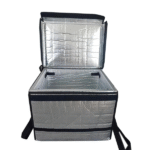
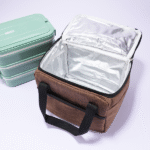
In 2026, commercial ice box prices vary significantly depending on size, material, and performance features. This guide will help you navigate the pricing landscape, so you can make a cost-effective choice based on total ownership cost, not just the upfront price. Read on for key insights into what affects pricing and how to get the best value for your cold chain needs.
What Determines Commercial Ice Box Price in 2026?
Understanding commercial ice box pricing requires looking beyond the unit cost. The total cost is influenced by several factors:
-
Material: Foam types such as EPS, EPP, and PU offer different insulation qualities, directly affecting performance and price.
-
Size and Customization: Larger boxes or specialized designs for specific needs come with higher costs.
-
Durability: A box designed to last longer and withstand frequent reuse may come with a higher initial price but delivers better long-term value.
Key Price Drivers:
-
Insulation Quality: More durable insulation costs more upfront but enhances the lifespan of the box.
-
Material Selection: Options like EPP foam provide better thermal protection and are more suitable for frequent use.
-
Size: Larger boxes require more materials, increasing the price.
-
Reusability: Investing in reusable boxes can provide savings on shipping costs in high-volume operations.
Pro Tip: Don’t focus solely on the initial price. Aim to evaluate the total cost per shipment, including the box’s durability, insulation, and reusability.
Quick Price Breakdown for Commercial Ice Boxes
| Commercial Ice Box Type | Typical Price Level | Typical Use | What It Means for You |
|---|---|---|---|
| Single-use foam | Low | Short trips, one-way shipping | Cheap upfront but costly long term |
| Reusable foam | Medium | Frequent use, returnable shipments | Saves money if reused |
| Heavy-duty insulated box | Medium-High | Extreme conditions, long-distance shipping | Durable, good for high-value items |
| Custom-designed boxes | High | Specialized payloads, precise temperature control | Expensive but tailored to needs |
Why Do Commercial Ice Box Prices Vary So Much?
Commercial ice box prices can vary because of insulation thickness, material strength, size, and additional features. While it may be tempting to choose the cheapest box, it’s essential to understand that poor insulation or fragile materials can result in product loss and additional shipping costs. The more robust the design, the higher the upfront cost, but the potential for savings in the long run.
Cost Comparison by Key Factors
| Cost Driver | Low-Cost Option | Premium Option | What It Means for You |
|---|---|---|---|
| Insulation | Thinner walls | Thicker, denser foam | Better performance and longer use |
| Material | Basic EPS foam | Durable EPP or PU | More protection against damage |
| Size | Smaller capacity | Larger, customizable sizes | Increased capacity for larger loads |
| Reusability | Single-use | Returnable with longer lifespan | Better ROI for frequent use |
How Does Material Affect Commercial Ice Box Price?
Material is a significant cost driver, influencing insulation performance, durability, and reusability. The three common materials are:
-
EPS (Expanded Polystyrene): Cost-effective for short trips but low insulation efficiency.
-
EPP (Expanded Polypropylene): Durable and reusable, making it suitable for medium to long-term use.
-
PU (Polyurethane): High thermal retention, ideal for long holds and sensitive goods like pharmaceuticals.
Material Comparison Table
| Material Type | Insulation Efficiency | Durability | Common Use Cases | Cost Level |
|---|---|---|---|---|
| EPS | Low to Medium | Low | Short one-way trips | Low |
| EPP | High | High | Reusable, medium-term shipping | Medium |
| PU | Very High | High | Long-duration or sensitive product shipping | High |
How Do Ice Box Size and Payload Affect Price?
The size of the ice box directly affects the price due to additional materials and insulation. Larger boxes are designed to handle heavier payloads and longer shipping durations, which increases the upfront cost but could reduce the number of trips needed.
Size and Payload Impact on Ice Box Pricing
| Box Size | Insulation Cost | Payload Type | Typical Use | What It Means for You |
|---|---|---|---|---|
| Small | Lower | Lightweight or small payloads | Short trips, fast shipping | Lower upfront cost but higher cost per trip |
| Medium | Medium | Medium payloads | General industrial use | Best balance of cost and utility |
| Large | Higher | Large payloads | Heavy or bulk goods | High upfront cost but lower cost per trip |
How Can You Estimate Commercial Ice Box Price Per Shipment?
To estimate the true cost per shipment, you must factor in the box price, its expected lifespan, and other operational costs like coolant and shipping fees. Here’s a simple formula:
Helpful decision tools
Check the details before you choose packaging
These quick tools can help you compare route risk, sizing needs, coolant choices, and packaging details before you request a quote.
Route Risk Checker
Review lane conditions before selecting packaging for real operating requirements.
Check route riskCompliance Checklist Generator
Build a practical checklist for packaging review, shipping, and documentation.
Build checklistInsulation Material Reference
Compare insulation material choices for different cold chain packaging needs.
Compare materialsCost per Trip = (Box Price ÷ Reuse Cycles) + Coolant Cost + Shipping Cost + Risk Costs
This model helps you focus on the total cost of ownership rather than just the upfront price.
What Are the Hidden Costs with Commercial Ice Box Price?
Hidden costs, such as maintenance, shipping, and potential damage, can make the total cost of a commercial ice box much higher than expected. For example, cheap boxes may break more often, leading to higher replacement and labor costs.
Hidden Costs Example
| Hidden Cost | Cause | What It Means for You |
|---|---|---|
| Box breakage | Poor quality, thin walls | Replacement costs, labor time |
| Extra coolant | Insufficient insulation | Higher shipping weight, extra packaging costs |
| Labor time | Slow packing or complicated pack-out | Reduced efficiency, higher labor costs |
2026 Trends in Commercial Ice Box Pricing
The trend in 2026 is towards more energy-efficient, sustainable, and durable ice boxes. Businesses are increasingly adopting packaging solutions that balance initial investment with long-term savings through reduced operational costs.
Latest Developments to Watch
-
Hybrid Designs: Combining materials for better insulation without the weight.
-
Sustainable Solutions: Reusable, eco-friendly options becoming more common.
-
Modular Units: Adaptable systems that can be reconfigured for specific needs.
FAQ: Commercial Ice Box Price Questions
Q1: How much do commercial ice boxes cost on average in 2026?
Commercial ice box prices range from $20 for single-use EPS boxes to $100+ for premium reusable models.
Q2: Should I prioritize cost or performance?
Focus on performance, especially for sensitive goods. A cheap box can cost you more in losses or replacements.
Q3: How do I compare different suppliers’ prices?
Compare total cost per shipment, including box price, coolant, labor, and shipping costs.
Q4: Are reusable ice boxes worth the higher cost?
Yes, especially for high-volume, long-term use. They provide better value per shipment.
Summary and Recommendations
In 2026, the commercial ice box price depends on performance, size, material, and reusability. When making purchasing decisions, focus on the total cost per shipment rather than just the unit price. A higher-quality box may have a higher upfront cost but offer better value in the long run.
Next Steps:
-
Review your operational needs and select the right ice box size and insulation type.
-
Compare prices based on total cost, not just upfront costs.
-
Consult with suppliers for detailed lifecycle cost models.
About Tempk
Tempk designs and manufactures high-performance commercial ice boxes tailored to meet the demands of the food and pharmaceutical industries. Our products focus on durable materials, excellent temperature retention, and long service life. With industry expertise and customer-centric design, we support your daily operations with confidence and value.
Ready to upgrade your cold storage? Contact us for tailored recommendations and pricing options.