This article will help you understand:
How a custom insulated box for biotech protects samples in real shipping scenarios
Which insulation designs work best for vaccines, enzymes, and cell therapy
How to balance thermal performance, cost, and sustainability
What 2026 biotech cold chain trends mean for your packaging decisions
Why Is a Custom Insulated Box Critical for Biotech Shipping?
Direct answer
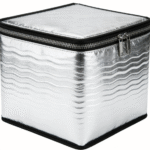
A custom insulated box for biotech keeps your products within a safe temperature range during storage and transport. It does this by combining tailored insulation thickness, controlled airflow, and phase-change cooling materials. In biotech logistics, this reduces sample loss, failed trials, and regulatory risk.
Expanded explanation
When you ship biotech materials, you are not shipping “goods.” You are shipping data, research, and future treatments. Standard boxes are designed for food or general pharmaceuticals. A custom insulated box is designed for your exact payload, shipping time, and temperature profile. That precision matters when your samples must stay between 2–8 °C, –20 °C, or –70 °C for days—not hours.
How Does Custom Insulation Improve Temperature Stability?
A custom insulated box uses insulation that matches your risk profile. Instead of guessing, you design around duration, climate, and payload sensitivity.
| Insulation Type | Thermal Strength | Typical Hold Time | What It Means for You |
|---|---|---|---|
| EPS foam | Basic | 24–48 h | Low cost, limited protection |
| EPP foam | Medium | 48–72 h | Reusable and shock-resistant |
| VIP panels | Very high | 96 h+ | Maximum stability, lower ice use |
Practical takeaway: Better insulation means fewer coolant packs and fewer emergency shipments.
Practical tips for biotech teams
Short domestic shipments: Use EPP-based custom insulated boxes for durability and reuse
International or clinical trials: Choose VIP-enhanced boxes to reduce dry ice volume
High-value samples: Design around worst-case delays, not average transit time
What Makes a Custom Insulated Box Different from Standard Packaging?
Direct answer
A custom insulated box for biotech is engineered around your product, not the other way around. It matches internal dimensions, cooling layout, and insulation performance to your exact use case.
Expanded explanation
Standard boxes assume “one size fits all.” Biotech logistics proves that wrong every day. With custom design, you avoid empty air space, uneven cooling, and wasted materials. You also gain predictability—your box performs the same way every shipment.
Helpful decision tools
Check the details before you choose packaging
These quick tools can help you compare route risk, sizing needs, coolant choices, and packaging details before you request a quote.
Ice Pack Calculator
Estimate gel ice pack quantity for chilled shipments and practical route planning.
Estimate ice packsPackaging Selector
Compare insulated packaging options by product, route, and temperature need.
Find packagingCompliance Checklist Generator
Build a practical checklist for packaging review, shipping, and documentation.
Build checklistKey design elements you control
| Design Element | Custom Option | Benefit to You |
|---|---|---|
| Internal size | Payload-matched | Less coolant needed |
| Insulation type | EPS, EPP, VIP | Thermal performance matched to route |
| Coolant placement | Top, sides, or all-around | Even temperature distribution |
| Outer shell | Corrugated, fiberboard, or plastic | Durability and recyclability |
How Do You Choose the Right Custom Insulated Box for Your Biotech Products?
Direct answer
Start with your product’s temperature range, shipping duration, and regulatory requirements. Then match insulation type, coolant strategy, and box size to those needs.
Step-by-step selection process
1. Define your temperature range (e.g., 2–8 °C, –20 °C, –70 °C)
2. Estimate your longest realistic transit time, including delays
3. Calculate your payload size and weight
4. Choose insulation type based on thermal performance needs
5. Request samples and run thermal validation tests
6. Negotiate pricing and lead times with qualified suppliers
What Are the Best Practices for Using Custom Insulated Boxes in Biotech?
Direct answer
Pre-condition your coolants, validate your box design, and train your team on proper packing procedures.
Practical tips
Always pre-condition gel packs or PCM packs to the correct temperature before packing
Use data loggers to monitor temperature during shipment
Document your packing process for regulatory compliance
Review and update your box design annually as shipping routes or product lines change