This article will help you:
Understand what really defines a reliable insulated box supplier
Compare insulated box materials for different cold chain scenarios
Avoid hidden costs that impact long-term shipping budgets
Align supplier choice with 2026 cold chain regulations and trends
Make confident, data-backed supplier decisions
What Is an Insulated Box Supplier and Why Does It Matter?
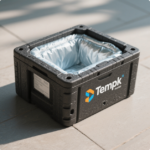
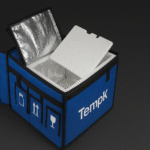
An insulated box supplier provides temperature-controlled packaging designed to protect perishable goods during transport. These boxes slow heat transfer, helping your products stay within safe temperature ranges for hours—or days.
In real terms, this means fewer spoiled shipments, fewer customer complaints, and better regulatory compliance. Whether you ship pharmaceuticals, seafood, or biotech samples, your supplier choice directly impacts reliability. A weak supplier can turn even a short shipment into a costly failure.
In 2026, insulated box suppliers are no longer just packaging vendors. They are cold chain partners who influence risk, cost, and scalability across your operations.
How Insulated Boxes Actually Protect Your Products
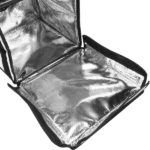
Insulated boxes work by combining low thermal conductivity materials with tight structural design. Instead of fighting temperature change, they slow it down.
For you, this means:
More stable internal temperatures
Longer protection windows without active cooling
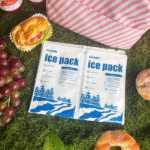
Lower dependency on excessive gel packs or dry ice
Helpful decision tools
Check the details before you choose packaging
These quick tools can help you compare route risk, sizing needs, coolant choices, and packaging details before you request a quote.
Box Liner & Pallet Cover Sizing
Check box liner and pallet cover sizing logic for insulated packaging projects.
Estimate sizingCoolant & PCM Reference
Compare coolant and PCM options when a route needs added temperature support.
Compare optionsInsulation Material Drop Resistance
Review drop resistance and handling factors before choosing insulation materials.
Check resistanceA strong supplier understands this balance and designs boxes that fit your real shipping conditions—not lab-perfect scenarios.
| Protection Factor | Standard Box | Optimized Insulated Box | What It Means for You |
|---|---|---|---|
| Heat transfer rate | High | Low | Slower temperature change |
| Structural strength | Basic | Reinforced | Fewer damages in transit |
| Payload efficiency | Low | High | More product, less filler |
Practical Tips for Buyers
Short-distance shipping: Choose lightweight insulation to reduce freight costs
Multi-day shipping: Prioritize thicker walls and validated performance data
Mixed SKUs: Ask for modular sizes to reduce overpacking
Real-world example: A food distributor reduced rejected deliveries by 27% after switching to a supplier offering route-tested insulated boxes instead of generic foam containers.
What Should You Look for in an Insulated Box Supplier?
The best insulated box supplier combines performance, consistency, and transparency. In 2026, product specs alone are not enough.
You should evaluate suppliers across five core dimensions:
Material quality
Thermal performance validation
Manufacturing consistency
Compliance support
Scalability and lead times
A supplier may look affordable upfront but cost more through failures, delays, or compliance gaps.