Gel Refrigerant Brick Beverage Distributor: Supplier Evaluation for Cold-Chain Buyers
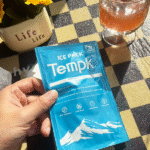
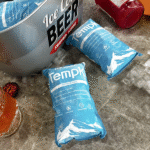
The safest way to buy a gel refrigerant brick beverage distributor is to treat it as one part of a controlled packaging decision. The supplier should help you connect product limits, route exposure, pack conditioning, insulation, loading instructions, and documentation. For beverage distributors, event supply teams, specialty drink brands, and cold-chain wholesalers, that approach prevents a common mistake: approving a coolant because it looks cold, then discovering later that the full shipment process was never defined.
The short purchasing judgment
Shortlist a gel refrigerant brick for beverage distribution only when the supplier can connect the component to the route, payload, insulation, conditioning method, and documentation need. If those pieces are missing, the pack may still be useful, but it is not ready for bulk approval.
A supplier should help define the full cooling decision
A gel refrigerant brick for beverage distribution does not create a controlled shipment by itself. It stores cold energy and releases it into the surrounding package, but the shipment result depends on the outer insulation, the amount of payload, the void space, the pack location, the starting temperature, and the time spent outside controlled storage. This distinction is important because buyers sometimes compare gel packs as if they were complete shipping systems. They are not. They are components inside a packout that needs instructions and, for higher-risk products, supporting evidence.
The most useful supplier conversation begins with the product you are protecting. A carton of beverage distribution goods may have different limits than another product in the same category. Some goods tolerate brief cool exposure but suffer from condensation. Others are harmed by freezing contact. Some need a simple chilled environment, while regulated healthcare goods may need evidence that the complete configuration was reviewed. A good supplier should ask about the route before recommending pack quantity, pack size, or coolant style.
This is also why supplier language matters. If a supplier says a gel pack is suitable for every product or every route, ask for the assumptions behind that statement. What was the payload? What was the ambient profile? Was the pack conditioned the same way your warehouse will condition it? Was the pack used with the same shipper, separator, and loading map? Clear answers reduce the chance of approving a product that performs well in a catalog but poorly in your lane.
The practical fit for this product category
Beverage loads are heavy, and cartons can be weakened by moisture. Pack geometry and placement should protect both the drink temperature and the package structure.
The best fit for a gel refrigerant brick for beverage distribution is usually a lane where passive cooling is realistic and where packing teams can follow the same procedure every time. Chilled drinks, sampling kits, craft beverage cartons, and event replenishment where bricks can be loaded repeatably can be a sensible use case, but only after the buyer confirms product tolerance, carton size, insulation, pack conditioning, and expected transit exposure. A gel pack that works in a small trial may not work the same way when cartons are larger, pallets wait longer, or weekend delivery patterns change.
The product is not a good fit when the route needs active refrigeration, when the shipment faces long uncontrolled exposure that has not been tested, or when the product would be damaged by cold surfaces. Do not use a refrigerant brick as a substitute for insulated packaging when the route faces long ambient exposure. In those situations, the buyer should consider a different coolant type, a better-insulated shipper, a monitored lane, or a revised fulfillment schedule rather than simply adding more packs.
Verification points before sample approval
| What to verify | Why it matters | How to ask the supplier |
|---|---|---|
| Brick geometry | Geometry affects how cold mass sits around bottles or cans. | Ask for written guidance or a sample check covering brick geometry. |
| Carton compression fit | Beverage cartons need cooling without structural stress. | Ask for written guidance or a sample check covering carton compression fit. |
| Separator design | Barriers can reduce overcooling and prevent payload movement. | Ask for written guidance or a sample check covering separator design. |
| Return or disposal plan | Event and wholesale programs need a practical end-of-use process. | Ask for written guidance or a sample check covering return or disposal plan. |
| Loading map | Warehouse teams need to place bricks consistently. | Ask for written guidance or a sample check covering loading map. |
Use these verification points to compare suppliers on evidence, clarity, and repeatability. A lower price may still be the right choice, but only if the supplier can keep production consistent and help your team understand how to use the pack correctly.
Route, payload, and handling fit
For example, a beverage distributor may ship a mixed carton of cans and bottles for an event. The packout has to cool the products without breaking dividers, weakening the carton, or sliding around during handling. A brick-style pack may be placed along the side or top depending on the shipper, but that decision should be tested with the actual beverage layout. A supplier that asks for carton drawings is often more useful than one that only quotes pack weight.
The gel refrigerant brick for beverage distribution should be discussed with the actual payload, carton size, insulation, conditioning process, and receiving procedure. Changing one of these items can change the result. If the buyer plans to use the same component across several routes, the safest approach is to define standard packouts and exceptions rather than letting every warehouse create its own version.
Procurement notes that separate strong suppliers from weak ones
Before ordering a gel refrigerant brick for beverage distribution in bulk, ask questions that connect the component to the shipment rather than questions that only compare unit price.
- What product temperature range or quality limit is the packout expected to support?
- What shipper, liner, divider, or outer carton was used in any sample or test discussion?
- How should the pack be conditioned, stored, staged, and loaded before dispatch?
- Does the supplier distinguish gross internal volume from usable payload space after packs are loaded?
- Can the supplier provide written specifications, material handling guidance, and change-notice support?
- Will bulk production match the approved sample in size, fill level, film, seal pattern, and labeling?
- What should receiving teams do with used packs: dispose, drain, inspect, return, or quarantine?
- When the route changes, what needs to be reviewed before the same packout is reused?
Beverage packouts should reflect carton style, bottle or can layout, route duration, and receiving-site storage readiness.
Avoid these shortcuts during scale-up
Mistake one is buying the gel refrigerant brick for beverage distribution as a commodity without defining the route. Commodity buying works for simple consumables, but passive cooling is affected by ambient exposure, loading behavior, and receiving workflow. If a supplier cannot discuss how the pack interacts with insulation and payload, the buyer may end up solving a temperature problem with a purchasing shortcut.
Mistake two is adding more cold mass without checking product tolerance. More packs can increase weight, reduce usable volume, create cold contact, and raise condensation risk. Some products are damaged by overcooling even when they were purchased for a cold-chain route. The safer approach is to define the allowed range and then select the packout around that range.
Mistake three is approving a sample but not locking the production details. A small change in fill level, pouch material, brick geometry, or conditioning practice can change handling and thermal behavior. For regulated or high-value shipments, sample approval should be tied to a part number, drawing, packing instruction, and change-notice expectation.
Helpful decision tools
Check the details before you choose packaging
These quick tools can help you compare route risk, sizing needs, coolant choices, and packaging details before you request a quote.
Compliance Checklist Generator
Build a practical checklist for packaging review, shipping, and documentation.
Build checklistInsulation Material Drop Resistance
Review drop resistance and handling factors before choosing insulation materials.
Check resistanceCoolant & PCM Reference
Compare coolant and PCM options when a route needs added temperature support.
Compare optionsMistake four is ignoring the end of the route. Receivers may open cartons in a warm room, leave goods on a counter, discard packs incorrectly, or return damaged reusable packs. A good purchasing decision includes receiving instructions and an end-of-use plan, especially for beverage distribution programs with repeated orders.
Quality and documentation boundaries
For food and healthcare applications, buyers should be careful with compliance language. A coolant component may support a process, but it does not make the whole shipment compliant by itself. Pharmaceutical programs may need quality review, temperature records, and lane-specific evidence. Food programs may need hygiene and safety procedures. Cosmetic and beverage programs may emphasize presentation and product quality. The buyer should decide which requirements apply before asking suppliers for claims.
Supplier documentation should be practical, not decorative. Useful documents explain what the pack is, how it should be stored and conditioned, what materials or declarations can be provided, how changes are communicated, and what assumptions were used in any performance discussion. A glossy claim without test conditions is weaker than a plain data sheet with clear boundaries.
Additional buyer notes for packout review
A buyer should also define what will not change after approval. For a gel refrigerant brick for beverage distribution, that may include pack dimensions, fill level, film material, seal pattern, carton quantity, labeling, and conditioning instructions. If a supplier later changes one of these items without notice, the original sample approval may no longer represent production. This is especially important for beverage distribution programs where a small handling difference can become a repeated complaint.
Warehouse feasibility deserves early attention. A pack that looks perfect in a sample carton can become difficult when hundreds or thousands of units need to be conditioned, staged, picked, loaded, and recorded. Buyers should ask how packs arrive, how they are stored, how long they need to be prepared, how staff identify ready packs, and how cartons are closed without delaying dispatch.
Receiving behavior is part of the cold chain. If the receiver opens cartons in an uncontrolled room, delays product storage, or disposes of packs incorrectly, the packaging plan may be blamed for problems that actually happened after delivery. Simple receiver instructions can reduce this gap. For repeat programs, feedback from receivers should be reviewed before finalizing bulk specifications.
A fair supplier comparison uses the same assumptions for every quote. If one supplier quotes only the pack and another quotes the pack plus insulation, separators, labels, and instructions, the unit prices cannot be compared directly. Build a comparison sheet that lists all packaging components, expected pack count, documentation, customization, and sample support.
For beverage distribution buyers, packaging approval should include a small operational review after the first sample shipment. Ask the warehouse team whether the pack was easy to identify, whether it consumed too much freezer or staging space, whether it stayed where the loading map placed it, and whether the receiver understood what to do next. These simple observations often reveal issues before they become repeated complaints.
FAQ
What makes a supplier reliable for gel refrigerant brick beverage distributor?
A reliable supplier asks about product sensitivity, route length, insulation, payload, conditioning, and documentation before recommending a pack. The supplier should also support sample review, consistent production, clear instructions, and change communication. Price matters, but it should not replace packout evidence and operational fit.
Should buyers choose gel packs, bricks, wraps, or PCM packs?
The format should match the product and route. Flat packs can fit small cartons, bricks add structured cold mass, wraps help with irregular shapes, and PCM may support narrower temperature objectives when selected correctly. The best option depends on product limits, packaging geometry, and handling process.
How many packs are needed per carton?
There is no safe universal number. Pack count depends on payload, carton size, insulation, ambient exposure, target range, and conditioning. Ask the supplier to help build a sample packout using your actual product and route assumptions, then review results before bulk approval.
Can a gel pack replace temperature monitoring?
No. A gel pack helps manage temperature, while monitoring records what happened. Higher-risk food, healthcare, clinical, or pharmaceutical shipments may need temperature records depending on product rules and quality expectations. The need for monitoring should be decided by the buyer's quality or logistics team.
What should receivers do with used packs?
Receivers should follow the instructions provided for that pack and local handling rules. Depending on the program, packs may be drained, discarded, inspected, returned, or quarantined. The buyer should define this before scale-up so receiving sites do not improvise.
Conclusion
A gel refrigerant brick for beverage distribution is useful when it is selected around the product, not around a generic cold-pack label. The most important decisions are the required condition, route exposure, outer insulation, conditioning method, pack placement, and supplier consistency. For beverage distribution, buyers should also confirm the end-of-route procedure, whether packs will be discarded or returned, and what evidence is needed before bulk purchasing. The safest next step is a controlled sample review using your actual carton and route assumptions.
About Tempk
Tempk works with cold-chain packaging buyers who need practical refrigerant and packout options for food, healthcare, laboratory, delivery, and industrial applications. Our product discussions can include gel ice packs, PCM packs, ice bricks, insulated bags, EPP boxes, cold shipping boxes, insulated liners, and pallet-level thermal protection. For this topic, we focus on matching the cooling component with product sensitivity, route exposure, payload, conditioning method, and procurement stage. We avoid treating a coolant alone as a complete qualified shipping system unless the outer packaging, loading pattern, monitoring plan, and supporting evidence are reviewed together.
Send Tempk your route, payload, temperature objective, and procurement stage to compare suitable gel pack, PCM pack, brick, insert, or insulated packaging options.