Online grocery chilled orders need e-commerce cold chain packaging that protects product condition after parcel sorting, courier dwell, and doorstep waiting time. The right packout should be validated around the actual product mix, coolant mass, route duration, and receiving behavior.
Online grocery orders combine products that fail in different ways, so one cold pack position rarely protects the whole carton.
Raw protein should be isolated from ready-to-eat items, produce should be protected from freezing contact, and dairy should arrive cold without wet labels.
The validation plan should include doorstep dwell because e-commerce orders are not always received immediately.
Cold chain planning data
| Temperature window | 0-4 C for chilled perishables; frozen SKUs should be packed and validated separately. |
|---|---|
| Humidity or moisture | Keep outer cartons dry and separate wet gel packs from labels, paper bags, and produce packaging. |
| Pre-cooling | Pre-cool chilled groceries, gel packs, insulated liners, and staging totes before order assembly. |
| Packaging pressure | Protect soft produce, dairy tubs, and ready-to-eat packs from heavy meat, beverages, and gel packs. |
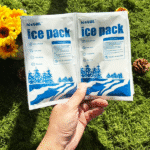
| Coolant placement | Place gel packs near top and sidewall heat gain, separated from delicate produce and paper labels. |
| Transit duration | Same-day to 48 h lanes are common; unattended doorstep time should be included in validation. |
| Common losses | Warm top layer, wet labels, bruised produce, dairy sweating, meat leakage, and mixed-carton odor transfer. |
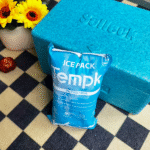
| Suitable Tempk packout | Tempk insulated liner or box with gel pack map, inner dividers, absorbent base for raw protein, and delivery-time validation. |
Recommended packout approach
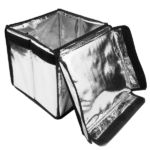
Start with products that are already at their dispatch temperature. Use an insulated shipper or liner, a documented gel pack map, and internal separation so cold mass controls heat gain without damaging labels, fruit, produce, or ready-to-eat items.
Helpful decision tools
Check the details before you choose packaging
These quick tools can help you compare route risk, sizing needs, coolant choices, and packaging details before you request a quote.
Dry Ice Calculator
Estimate dry ice needs for frozen or ultra-cold shipments before packing.
Estimate dry iceIce Pack Calculator
Estimate gel ice pack quantity for chilled shipments and practical route planning.
Estimate ice packsBox Liner & Pallet Cover Sizing
Check box liner and pallet cover sizing logic for insulated packaging projects.
Estimate sizingFor mixed e-commerce orders, separate raw protein from ready-to-eat products, isolate wet coolant from paper packaging, and validate the top layer because parcel cartons often fail first near the lid. If frozen items are included, build a separate frozen packout rather than combining chilled and frozen assumptions.
Quality checks before release
Before scale-up, run a route test using the same carton size, product weight, coolant count, courier service, season, and doorstep dwell. At arrival, check temperature, carton dryness, product appearance, label condition, leakage, odor, and whether the customer-facing presentation still matches brand expectations.
For Tempk packaging selection, the usual starting point is an insulated liner or EPS shipper, separated gel packs, inner dividers, and a route logger. The final design should be adjusted after validation rather than copied from a generic parcel box.
Reference basis
Temperature assumptions are aligned with FDA guidance for keeping refrigerated foods at 40 F / 4 C or below and FDA meal kit receiving guidance. Final programs should follow the shipper’s product specifications and the destination market’s food safety expectations.