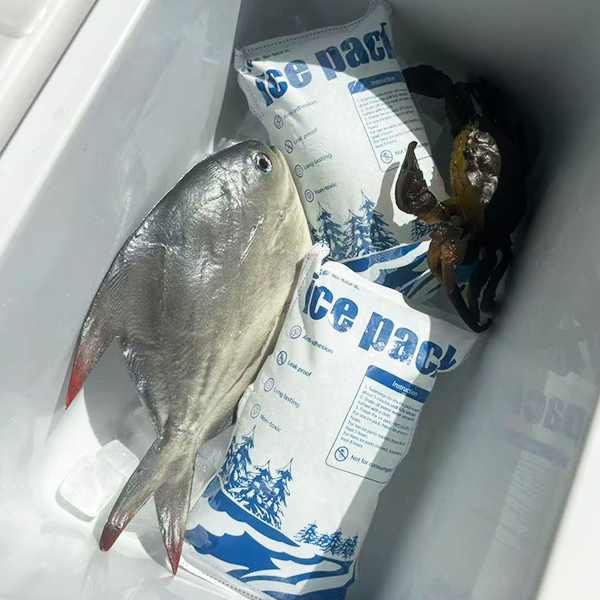
Insulated Box Factory Seafood: How to Choose a Reliable Solution
The right insulated box factory seafood is the one that fits the product risk, not simply the one that fits the product. A safe purchasing decision connects the required temperature condition, payload size, refrigerant plan, route exposure, handling method and supplier evidence before a bulk order is placed.
For seafood exporters, processors, and distributors, this means you should evaluate the box as a passive cold-chain system component. The insulation, coolant, inner packaging, closure, labels, data logger position and packing instructions all have to work together. The goal is not a dramatic claim; it is repeatable protection that your operations and quality teams can understand.
A Practical Definition for Buyers
A useful definition of an insulated box factory seafood is not just an insulated container. It is a passive packaging component used to support the required condition of a specific product through a specific route. The insulation slows heat transfer. The refrigerant or thermal mass helps hold the desired condition. The packout controls how those elements touch the payload. The operating procedure makes the design repeatable.
This definition protects buyers from two common mistakes. The first is buying by outside dimension only. The second is treating a supplier's general statement as route approval. A box may be appropriate for one payload and weak for another. It may suit a short local route but need a different carton or coolant plan for cargo shipping. It may fit a product but leave no space for labels, absorbents or monitoring.
Translate Product Risk Into Box Architecture
The product should drive the architecture. Chilled or frozen seafood, with the required range confirmed by the product type, processor haccp plan, receiving specification, and route conditions should be confirmed before dimensions, material and price are compared. Then consider the product's physical vulnerability: Is it wet, fragile, sterile, biological, hazardous, frozen, chill-sensitive, odor-producing, label-critical or high value? Each answer changes the inner packaging.
Melt water, odor transfer, carton collapse, temperature abuse during loading, delays at cross-docks, and the difference between a clean sample packout and a wet high-volume shipment are the kinds of issues that turn a simple quotation into a quality problem. The box may need a moisture barrier, absorbent material, a rigid outer carton, dividers, a label panel, a tamper-evident feature or a specific coolant separation method. It may also need a temperature data logger, but the logger records conditions; it does not protect the product. Protection comes from the packout and process.
For procurement, the practical move is to build a small decision brief before sending drawings. Include payload dimensions, product mass, units per box, route duration, expected ambient exposure, temperature acceptance criteria, special labels, cleaning needs, and whether the shipment is one-way or reusable. This brief helps the factory recommend a box that reflects actual use instead of a generic catalog item.
What to Verify Before Ordering
| What to verify | Why it matters for this shipment | Better buyer question |
|---|---|---|
| What to verify | Why it matters for this shipment | Better buyer question |
| Product and route requirement | chilled or frozen seafood, with the required range confirmed by the product type, processor HACCP plan, receiving specification, and route conditions | What condition must the product meet at receipt, and who approves that limit? |
| Packout arrangement | Insulation and coolant only work when the internal layout is repeatable | Can the supplier provide a drawing or packing sequence for the sample? |
| Material and dimension control | Bulk units must match the approved sample | How are materials, dimensions, inserts and closure controlled during production? |
| Documentation and labels | food-safety expectations, seafood HACCP planning, carrier rules for wet products, receiver temperature checks, and documentation that supports buyer audits | What labels, records, data logger placement or carrier checks should be planned? |
| Evidence behind claims | Hold-time or temperature claims depend on test conditions | What payload, ambient profile and acceptance criteria support the stated performance? |
| Operational fit | Warehouse and courier teams must use the design correctly | Can staff pack it quickly without improvising under routine pressure? |
This verification table is deliberately practical. It does not ask the supplier to promise universal performance. It asks whether the proposed box can be connected to your product, route and operating process. That is the difference between buying insulated packaging and approving a repeatable cold-chain packout.
Factory, OEM, Wholesale and Manufacturer Roles Are Not the Same
Search terms such as factory, OEM, wholesale and manufacturer often look similar, but they signal different buyer needs. A factory-oriented buyer may care about production consistency, carton strength and bulk price. An OEM buyer may need custom size, private labeling, inserts or special packout components. A wholesale buyer may care about standard stock, repeat supply and clear specifications. A manufacturer-oriented buyer may ask deeper questions about material control and quality records.
For the keyword insulated box factory seafood, the safest sourcing path is to be explicit about the role you need. If you want standard boxes, ask for available sizes and component lists. If you need an OEM solution, ask about drawings, tooling, labeling, sample approval and change control. If you are qualifying a manufacturer for sensitive goods, ask how the production version will remain consistent with the approved sample. If you are exporting, add carrier and destination constraints early.
The supplier should not be evaluated only on willingness to customize. Good customization protects the shipment and the purchasing process. Poor customization creates a box that looks unique but lacks usable space, packing clarity, testability or production stability.
Typical Scenario: From Requirement to Packout
A processor ships chilled fillets from a coastal plant to a regional distributor. The box must hold product trays, coolant, absorbent layers, and an outer carton that still stacks cleanly after exposure to condensation. A strong sourcing process would begin by confirming the required product condition and receiving criteria. The buyer would then list the payload, expected route, handover points and handling constraints. The supplier would propose a box structure and refrigerant plan, and both sides would review whether labels, absorbents, inserts, data logger placement and closure steps are workable.
The next step would be a sample packout review. The buyer should physically pack the box with realistic products, coolant and accessories, not just inspect the empty container. If the box is difficult to close, leaves labels hidden, creates direct coolant contact, or takes too long for staff to pack, the problem should be solved before bulk production. If a thermal claim is important, ask what evidence supports it and whether further route or lab evaluation is needed.
Operational Controls After the Purchase Order
A purchase order does not finish the cold-chain decision. It starts the operating phase. Warehouse teams need receiving inspection for incoming packaging, a way to identify component lots, clear storage conditions for refrigerants, and a release check before shipments leave. If the box is reusable, staff also need cleaning, drying, damage inspection and return tracking procedures.
Helpful decision tools
Check the details before you choose packaging
These quick tools can help you compare route risk, sizing needs, coolant choices, and packaging details before you request a quote.
Ice Pack Calculator
Estimate gel ice pack quantity for chilled shipments and practical route planning.
Estimate ice packsRoute Risk Checker
Review lane conditions before selecting packaging for real operating requirements.
Check route riskInsulation Material Reference
Compare insulation material choices for different cold chain packaging needs.
Compare materialsException handling should be defined before the first problem occurs. What happens if coolant was not fully conditioned? Who approves shipment release if a box is damaged? How will receivers report temperature alarms, wet cartons, missing labels or broken closures? For regulated or high-value goods, the lack of an exception process can become a bigger problem than the box defect itself.
Change control is equally important. A supplier may want to adjust material, carton style, lid fit, liner thickness or insert design. Some changes may be harmless; others can alter thermal or operational performance. Buyers should require notification and review for changes that affect dimensions, packout, materials, closure or evidence. This protects the approved state.
When an Insulated Box Is Not Enough
An insulated box cannot solve every cold-chain risk. An insulated box alone cannot correct warm loading docks, insufficient coolant conditioning, or missing receiving procedures. It also cannot replace product classification, laboratory or route qualification, trained packing personnel, calibrated temperature monitoring where required, or receiving procedures. When the product is highly sensitive, regulated, high value or routed through uncertain conditions, treat the box as one part of a broader control plan.
The warning is not meant to discourage passive packaging. Passive systems are widely useful because they are flexible, scalable and often easier to deploy than active containers. The point is to avoid overclaiming. The right question is not whether the box is impressive in isolation, but whether the whole packout can protect this product through this route with evidence and repeatable handling.
From Quotation to Approved Production
The best time to control risk is before the first large purchase order. A quotation should describe more than size and price; it should make clear which components are included, what the buyer must supply, what assumptions sit behind any performance statement, and what will happen if a component needs to change.
For seafood exporters, processors, and distributors, the approval record should connect the chosen box to a specific payload, route and packing process. If a future shipment uses a different product, longer route, different refrigerant, changed carton or new handling method, the old approval should not be applied blindly. The team should review what changed and decide whether a new sample, test or quality sign-off is needed.
This approach helps both sides. The supplier receives clearer requirements and fewer ambiguous complaints. The buyer gets a package that is easier to reorder, train on and investigate if something goes wrong. Instead of relying on a sales claim, the purchasing decision becomes a controlled packaging process.
About Tempk
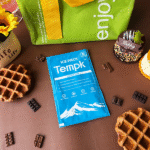
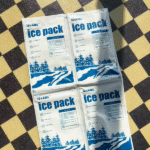
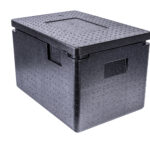
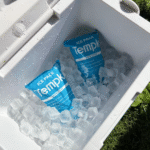
Tempk is the cold-chain packaging brand context used for this article. Public Tempk information describes cold-chain packaging products such as gel ice packs, water-filled ice packs, hydrate dry ice packs, freezer ice bricks, insulated lunch bags, insulated takeaway backpacks, EPP insulated boxes, VPU medical refrigerators, insulated box liners, insulated pallet covers, and related temperature-control packaging materials. For buyers evaluating insulated box factory seafood, Tempk can support discussions around box format, liners, gel packs, ice bricks, pallet covers and OEM packaging details. The practical starting point is to share the product type, payload, target condition, route and packing constraints, so the packaging recommendation can be connected to the shipment rather than presented as a one-size-fits-all answer.
Conclusion
A reliable insulated box factory seafood is chosen through evidence, fit and repeatability. Define the product condition, map the route, check usable payload space, review the packout, verify supplier controls and keep compliance language specific to the product and lane. If the shipment is sensitive, ask for documentation and plan further evaluation before scaling. Share your route, payload and temperature requirement with Tempk to discuss a practical packaging option for your next shipment.
FAQ
Can an insulated box factory seafood guarantee a fixed temperature range?
No. The box slows heat transfer, but the actual temperature result depends on the refrigerant, payload, conditioning, route, ambient exposure, closure and handling. Treat any fixed range or hold-time claim as something that must be verified against your product and route, not as a universal feature of the empty box.
What information should I send before requesting a quotation?
Send product type, required condition, payload size, number of units per box, transit time, shipping mode, expected ambient exposure, label needs, documentation needs and any restrictions from your quality or safety team. For seafood exporters, processors, and distributors, include the riskiest handover point you already know.
Should I choose EPS, EPP or an insulated liner?
The right material depends on route, handling, storage space, reuse plan, product sensitivity and disposal requirements. EPS is often used for lightweight molded insulation, EPP may suit reusable or stronger handling needs, and liners can reduce storage space. The final choice should be confirmed with packout and route needs.
Do I need a temperature data logger inside the box?
A logger is useful when you need evidence of shipment conditions, but it does not protect the product. If monitoring is required, define the sensor location, logging interval, alarm thresholds, retrieval process and who reviews exceptions. Place the logger where it represents payload risk, not directly against a coolant pack.
How should I compare two suppliers?
Compare usable payload space, material control, packout drawings, sample-to-production consistency, change notification, evidence behind claims, carton strength, labeling support and communication quality. A lower price is not a better value if the package is harder to pack, weaker on the route or unsupported by clear documentation.
What should food shippers watch most closely?
Food shippers should watch loading temperature, coolant conditioning, leakage control, carton strength, route delays and receiving inspection. A clean-looking box is not enough if the product was loaded too warm, the carton became wet, or the receiver has no procedure for checking condition at arrival.