Recyclable Meal Kit Shipping Box with Gel Packs

Tempk meal-kit cold-chain packaging

Recyclable Meal Kit Shipping Box with Gel Packs

A corrugated meal-kit shipper with removable paper-fiber insulation and a configurable gel-pack layout for chilled proteins, dairy, produce, sauces and prepared ingredients. Tempk matches the usable volume, insulation, ingredient zones and coolant placement to the menu, parcel route and season.

Product format Corrugated outer carton with removable paper-fiber insulation, gel packs and optional dividers
Common usable payload volume 8–30 L meal-kit and grocery parcel formats; custom dimensions are available
Common insulation thickness 25–40 mm paper-fiber panels as a project planning range
Temperature program Commonly developed around 0–4 °C for chilled perishable ingredients; final limits follow the food-safety plan

A chilled meal-kit packout designed for packing lines and doorsteps

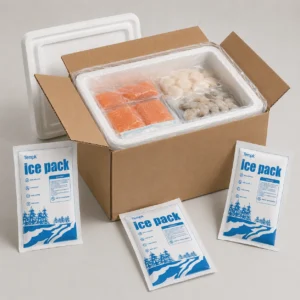
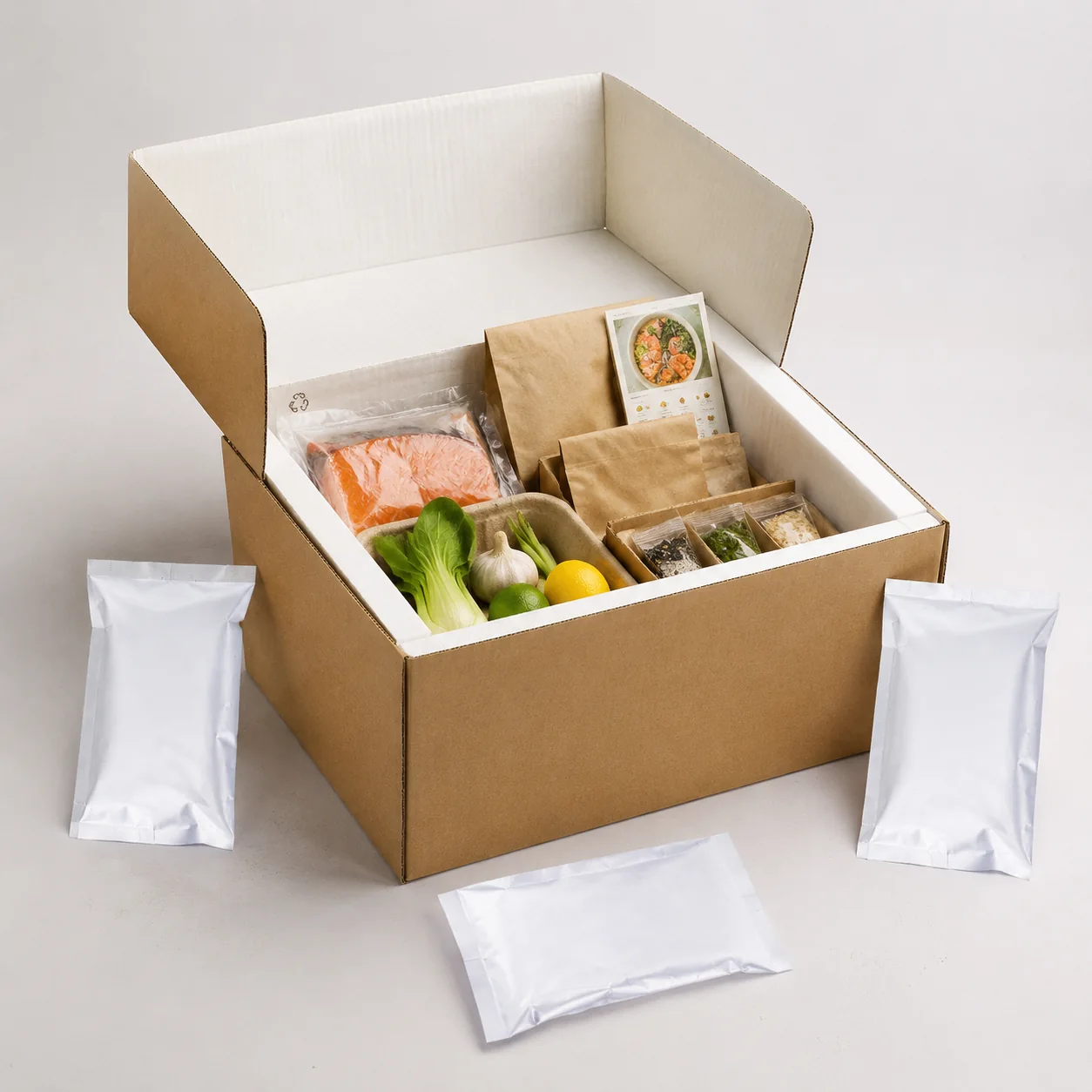
This paper-dominant shipper is developed as a complete chilled meal-kit packout rather than an empty carton. Fitted fiber panels help protect the payload from outdoor heat, conditioned gel packs provide the cold source, and dividers or trays can separate raw proteins, ready-to-eat items and freeze-sensitive produce. The carton, insulation and clean paper components can be separated after use where local recycling programs accept them; gel packs and contaminated materials require separate handling.

Paper-dominant insulated format

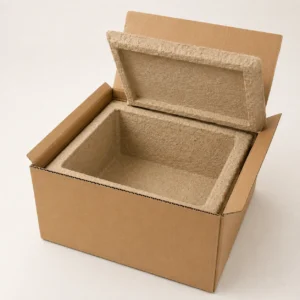
The corrugated carton and removable fiber insulation provide a separable alternative to rigid foam for suitable chilled parcel programs.

Gel-pack-ready thermal layout

Coolant pockets, dividers and product zones can be positioned around the tested packout instead of leaving gel-pack placement to the packing operator.

Mixed-ingredient separation

Raw proteins, dairy, ready-to-eat items and freeze-sensitive produce can be organized into defined zones to reduce leakage, cross-contact and local overcooling risks.

Efficient fulfillment workflow

Pre-sized components, a familiar carton closure and printed packing guidance help teams repeat the same loading sequence at volume.

Doorstep-friendly unpacking

Removable insulation and clear component guidance make it easier for recipients to unpack ingredients and separate materials after delivery.

Custom size, print and supply

Tempk can adjust the carton, fiber panels, gel-pack format, dividers, branding and component kits for the buyer's menus and order profiles.

Product details

Brand Tempk
Product name Recyclable Meal Kit Shipping Box with Gel Packs
Outer container Corrugated kraft shipping carton; board grade selected for payload weight, stacking and parcel-handling conditions
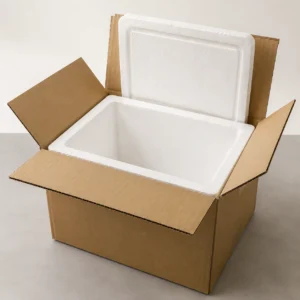
Insulation Removable paper-fiber side panels, base and lid in molded or folded project-specific formats
Common usable payload volume 8–30 L meal-kit parcel formats; smaller, larger and menu-specific dimensions are available
Common insulation thickness 25–40 mm planning range; final thickness is selected against the route, season and packout
Chilled temperature program Commonly developed around 0–4 °C for perishable proteins and dairy; the buyer's product specification and destination rules determine the final limit
Transit design target Overnight and 24–48-hour parcel routes are common starting points; the complete packout determines actual performance
Gel-pack options Conditioned water-based gel packs in project-selected weights and formats; formulation, freeze condition, quantity and placement are confirmed for the route
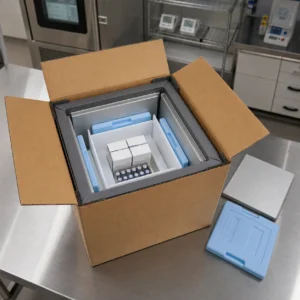
Ingredient zoning Optional dividers, trays and coolant barriers for raw proteins, ready-to-eat food, dairy, produce and ambient recipe components
Moisture control Optional inner liner and absorbent pads for condensation, thaw water or primary-package leakage
Food contact Ingredients should remain in sealed, food-suitable primary packaging; direct-contact components require the appropriate destination-market declaration
Closure Tape-sealed corrugated carton with optional printed packout, refrigeration and handling guidance
End-of-life planning Separate clean, dry carton and paper-fiber components where locally accepted; manage gel packs, films and contaminated materials separately
Customization Internal and external dimensions, fiber-panel design, carton grade, printing, dividers, liners, gel-pack layout and component kits

Where it fits best

Subscription meal kits

Supports repeat weekly recipe boxes containing chilled proteins, dairy, produce, sauces and shelf-stable ingredients.

Prepared meals and ready-to-cook food

Organizes sealed entrées, side dishes and recipe components for direct-to-consumer chilled delivery.

Chilled grocery delivery

Provides a configurable parcel format for dairy, meat, seafood, plant-based products and selected produce.

Specialty food and farm boxes

Protects small-batch food, cheese, premium ingredients and seasonal subscription assortments from outdoor heat.

Food-service samples and regional distribution

Packs menu samples and smaller consignments moving between kitchens, distributors, restaurants and hospitality buyers.

Sustainability-led fulfillment programs

Helps teams evaluate a separable paper-dominant format while keeping thermal performance and packing repeatability central to the project.

How to plan the packout

Define the menu and route

Confirm every ingredient, package format, payload weight, temperature limit, transit time, season and doorstep exposure.

Group ingredients by risk

Separate raw proteins from ready-to-eat foods and identify items that are leak-prone, freeze-sensitive or safe at ambient temperature.

Select the usable inner volume

Reserve space for food packs, gel packs, dividers, moisture control and void reduction before fixing the carton size.

Condition food and gel packs

Pre-chill ingredients and freeze or condition the selected gel packs according to the approved packout plan.

Install insulation and moisture control

Fit every fiber panel completely, then add any liner, absorbent pad, tray or divider in the specified position.

Load ingredients in defined zones

Keep raw proteins sealed and below or apart from ready-to-eat items, stabilize containers and protect produce from direct frozen-pack contact.

Place gel packs consistently

Load the specified gel-pack sizes and quantity in the tested top, side or base positions without leaving harmful gaps.

Close, label and test

Fit the insulated lid, seal the carton using the defined tape pattern, apply handling guidance and test the complete shipment before routine use.

Customization support

Carton dimensions and strength

Match menu combinations, portion count, parcel limits, payload weight, stacking and packing-line handling.

Paper-fiber insulation

Adjust panel thickness, density, corner fit, lid construction and component count around the thermal plan.

Gel-pack configuration

Select pack dimensions, formulation, conditioning method, quantity and placement for the target temperature and route.

Ingredient organization

Add paperboard dividers, trays, pouches, coolant barriers and void control for repeatable menu zones.

Moisture protection

Specify an inner liner, absorbent layer and leak-control position for proteins, sauces and condensation-prone packs.

Brand and recipient guidance

Print brand graphics, refrigeration messages, unpacking steps, component-separation guidance and packout diagrams.

Supply format

Plan prototypes, pilot runs, bulk quantities and pre-kitted components arranged for the buyer's fulfillment process.

Handling instructions

Store cartons, paper-fiber insulation, dividers and gel packs in a clean, dry area. Keep fiber components away from water before use and inspect every carton, panel and coolant pack for damage or contamination.

Pre-chill all ingredients that require refrigeration and condition the gel packs according to the approved packout plan. Keep raw proteins and sauces in intact, sealed primary packaging. Install the complete insulation set, then add any liner, absorbent material and dividers.

Load raw proteins below or apart from ready-to-eat items where practical. Keep freeze-sensitive produce from direct contact with fully frozen gel packs. Place every gel pack in the specified position and control empty spaces so the packout does not shift during parcel handling.

Fit the insulated lid, seal the outer carton with the defined tape pattern and apply refrigeration, perishable or orientation guidance required for the route. The empty shipper does not create cooling or guarantee a hold time; performance depends on the complete payload, coolant and route.

After delivery, remove food and gel packs before separating packaging materials. Recycle only clean, dry paper components accepted by the local program. Follow the gel-pack supplier's instructions and local rules for reuse, draining or disposal.

Features

  • Removable paper-fiber insulation inside a corrugated shipping carton.
  • Configurable gel-pack quantity, format and placement.
  • Ingredient zones for proteins, dairy, produce and prepared food.
  • Custom printing, recipient guidance and fulfillment component kits.

Request packout support

  • Meal-kit menu, ingredient types and primary package formats
  • Payload dimensions, weight, portion count and box combinations
  • Required chilled temperature limits and starting condition
  • Transit time, origin, destination, season and expected doorstep exposure
  • Preferred usable volume, outer parcel limits and fiber-panel thickness
  • Gel-pack formulation, pack size, conditioning and placement preference
  • Raw-protein separation, divider, liner and absorbent requirements
  • Carton print, recipient guidance, sample quantity, forecast volume and delivery schedule

FAQ

Which parts of the meal-kit shipper are recyclable?

The corrugated carton and paper-fiber insulation are designed to be separated and may be accepted with clean, dry paper recycling. Acceptance depends on coatings, adhesives, food contamination and local collection rules. Gel packs, plastic films and contaminated components must be handled separately.

Is the complete packout curbside recyclable everywhere?

No. Recycling systems differ by destination, and a recycling symbol does not guarantee local acceptance. Tempk can provide project-specific material information and recipient guidance based on the selected components.

What temperature should a chilled meal kit maintain?

Many chilled meal-kit programs are developed around 0–4 °C, especially when they include meat, seafood or dairy. The ingredient specification, food-safety plan and destination requirements determine the final temperature limit.

How many gel packs does one box need?

There is no fixed count. Payload mass, food starting temperature, gel formulation, insulation thickness, box size, transit time, season and doorstep exposure all affect the required coolant. Tempk develops a starting layout and tests the complete packout.

How long can the box keep meal-kit ingredients cold?

An empty insulated box has no single hold time. Overnight and 24–48-hour lanes are common development starting points, followed by testing with representative food, gel packs, ambient exposure and handling.

How should raw meat and ready-to-eat ingredients be packed?

Keep every item sealed in suitable primary packaging. Raw proteins should be placed below or physically separated from ready-to-eat items where practical, with dividers, absorbent material and leak control matched to the risk.

Will frozen gel packs damage vegetables?

Direct contact can overcool or freeze sensitive produce. The packout can use dividers, coolant barriers and defined product zones so the coldest packs protect proteins and dairy without touching vulnerable ingredients.

Can the shipper be used for frozen meal delivery?

This product is primarily designed for chilled meal-kit programs. Frozen meals may require different insulation, more refrigerant or dry ice, and should be developed and tested as a separate frozen packout.

Can Tempk customize the carton and printed instructions?

Yes. Tempk can adjust dimensions, board strength, fiber panels, dividers, liners, absorbent materials, gel-pack layout, brand printing, packout diagrams and disposal guidance, subject to project and order requirements.

Should the completed meal-kit packout be tested?

Yes. Test representative menus, payload mass, gel-pack conditioning and quantity, ambient profiles, parcel handling and doorstep dwell before routine or seasonal distribution.

Related product tags

Popular Products

Get a Quote