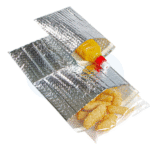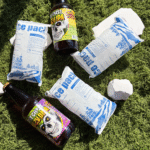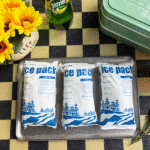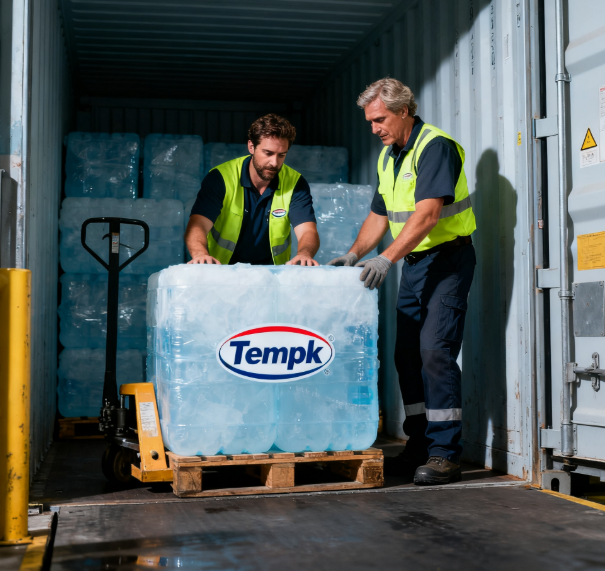
The right gel pack format is chosen by the shipment it must support, not by a generic claim about how cold or how long a pack lasts. A pouch, pad, block, or super absorbent polymer gel pack can all be useful in the right configuration. The real question is whether the coolant, insulation, carton, payload, conditioning method, and route work together under defined conditions.
Treat the Gel Pack as a Component
A gel pack absorbs heat and can help slow temperature change inside a passive shipper. It does not establish the allowable product range, qualify the carton, or guarantee a delivery outcome on its own. Product owners should first define the allowable temperature range, sensitivity to direct cold contact, starting product condition, expected transit profile, and acceptance criteria. That information makes the cooling component easier to select and test.
Super absorbent polymer is used in some gel-pack formulations to retain water in a manageable gel structure. The name of the absorbent material does not by itself establish a temperature range or route duration. Formulation, fill amount, pouch construction, conditioning state, and the complete packout all influence the result.
Background reference: an example of SAP supplied for gel-pack manufacturing. Product-specific claims on that page should not be treated as industry-wide performance values.
Helpful decision tools
Check the details before you choose packaging
These quick tools can help you compare route risk, sizing needs, coolant choices, and packaging details before you request a quote.
Dry Ice Calculator
Estimate dry ice needs for frozen or ultra-cold shipments before packing.
Estimate dry icePackaging Selector
Compare insulated packaging options by product, route, and temperature need.
Find packagingInsulation Material Drop Resistance
Review drop resistance and handling factors before choosing insulation materials.
Check resistanceMatch the Format to the Packing Task
| Format | Where it can help | Question to answer before use |
|---|---|---|
| Flexible pouch | Conforms around irregular payloads and can fit variable headspace. | Will close contact create a local cold risk or damage labels and packaging? |
| Flat pad | Supports layered packouts with limited vertical space. | Can the pad be positioned without blocking airflow or creating large voids? |
| Block or brick | Provides repeatable geometry and can simplify operator placement. | Does the fixed shape fit the interior layout without reducing usable payload volume? |
| Multi-unit layout | Allows coolant to be distributed around a large or irregular shipment. | Can the packing team reproduce the same placement every time? |
Conditioning Is Part of the Specification
A coolant’s starting condition can change the packout outcome as much as its nominal weight. A pack frozen solid, chilled, or prepared for a controlled range will not behave in the same way. The work instruction should state the equipment, setpoint, conditioning duration, staging limit, and the action to take when the required condition has not been achieved. This converts conditioning from informal freezer practice into a controllable step.
Ask What the Test Actually Represents
A useful test record names the shipper, insulation, payload or payload simulator, coolant quantity, starting temperatures, conditioning method, sensor locations, ambient profile, orientation, and acceptance range. Without these details, a hold-time number cannot be transferred safely to another carton or route. Component tests can still be valuable, but they should be labelled as component tests rather than proof of full system performance.
Control Sample to Production Consistency
Once a packout is approved, the production specification should protect the assumptions behind it. Confirm how dimensions, fill targets, film construction, seal integrity, lot identification, and change notification are controlled. A small change in pouch thickness or fill distribution can affect fit, handling, and thermal behavior even when the product looks similar.