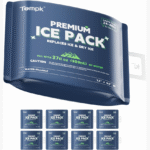
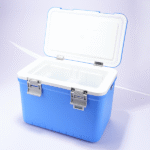
Cold chain packaging for lab samples and biologics must do two jobs at the same time: protect the temperature requirement and protect people from leakage or exposure during transport. A cold box that holds 2-8°C is not enough if the specimen is not properly contained. A compliant triple package is not enough if the sample warms, freezes, leaks, or lacks proper documentation. For B2B shippers, packaging design must connect sample classification, temperature target, transport mode, containment, coolant, insulation, labeling, and receiver workflow.
This guide is intended for packaging engineers, laboratory operations teams, clinical research suppliers, diagnostic kit providers, biologics distributors, and cold chain procurement teams. It is not legal advice or dangerous goods training. Always follow applicable regulations, carrier requirements, and trained dangerous goods procedures for your specific shipment.
Start With Classification and Temperature Range
Lab samples and biologics can include exempt human specimens, Category B biological substances, clinical samples, diagnostic specimens, research materials, enzymes, reagents, cell therapy support materials, vaccines, and other temperature-sensitive healthcare products. The packaging specification should begin with two questions: what is the transport classification, and what temperature range must be maintained?
For Category B infectious substances in the U.S., 49 CFR 173.199 requires triple packaging: a primary receptacle, secondary packaging, and a rigid outer packaging. IATA Packing Instruction 650 also describes requirements for Biological Substance, Category B shipments by air, including UN3373 marking and proper shipping name. WHO’s infectious substance transport guidance emphasizes training, classification, packaging, marking, labeling, documentation, and safe delivery.
Table 1. First decisions for lab sample and biologics cold chain packaging.
| Design Question | Why It Matters | Reference Direction |
|---|---|---|
| What is the sample classification? | Classification determines packaging, marking, labeling, and documentation rules. | UN3373 Category B, exempt specimen, Category A, dry ice, or other applicable classification. |
| What is the temperature range? | Coolant and insulation must match product stability needs. | Common ranges include ambient, 2-8°C, frozen, or ultra-low, but the product requirement controls. |
| Is the sample liquid? | Liquids require leak control and absorbent material. | Triple packaging and absorbent material are central to many sample shipping systems. |
| Is dry ice used? | Dry ice introduces additional marking, ventilation, and regulatory requirements. | PHMSA requires dry ice packages to permit gas release and show proper marking such as Dry ice/UN1845 and net mass. |
| What transport mode is used? | Air, road, courier, and international shipments can have different requirements. | Carrier and modal regulations must be checked before shipping. |
Triple Packaging: Containment Comes Before Insulation
For regulated biological sample shipments, containment cannot be replaced by a foam cooler or insulated shipper. A typical triple packaging system includes a primary receptacle, leakproof or siftproof secondary packaging, absorbent material for liquids, and a rigid outer packaging. The cold chain layer may be added around this containment system, but it should not compromise closure, marking, or package integrity.
Table 2. Triple packaging components and thermal design notes.
| Layer | Typical Function | Cold Chain Design Note |
|---|---|---|
| Primary receptacle | Holds the sample directly. | Must be sealed and protected from breakage; do not rely on insulation to prevent leakage. |
| Absorbent material | Absorbs liquid if the primary receptacle leaks. | Place correctly so leakage does not reach the outer shipper. |
| Secondary packaging | Provides leakproof or siftproof containment. | Should fit inside the insulated shipper without crushing or lid interference. |
| Rigid outer packaging | Protects the package and carries required marks. | Must remain visible even when placed inside overpacks or thermal shippers. |
| Thermal layer | Insulation, coolant, and temperature control components. | Should be designed around the compliant containment system, not the other way around. |
Temperature-Controlled Packout Options
The right packout depends on whether the sample must stay refrigerated, frozen, or protected from temperature extremes. A refrigerated 2-8°C packout often uses conditioned gel packs or PCM packs with product separation. Frozen shipments may require dry ice or frozen packs, depending on the product and carrier rules. Some biologics may be freeze-sensitive, which means direct contact with frozen coolant must be avoided. Other materials may require frozen or ultra-low storage and need completely different packaging.
Table 3. Cold chain packout direction by temperature requirement.
| Temperature Need | Possible Packaging Direction | Key Risk |
|---|---|---|
| Ambient protection | Insulated shipper, thermal liner, or temperature buffer. | Overheating or cold shock during seasonal exposure. |
| 2-8°C refrigerated | Qualified insulated shipper with conditioned coolant or PCM. | Freeze damage from direct coolant contact or poor conditioning. |
| Frozen | Dry ice or frozen coolant system where allowed and suitable. | Dry ice ventilation, marking, sublimation, and product safety. |
| Ultra-low | Dry ice-based or specialized active/passive shipper. | Duration, dry ice limits, trained handling, and destination readiness. |
| Short local courier | Qualified cooler, data logger, and defined handoff process. | Opening frequency, route delay, and temperature documentation. |
Coolant Placement and Freeze Protection
A common cold chain failure is placing frozen coolant directly against a freeze-sensitive sample or biologic. For 2-8°C materials, the package may need coolant conditioning, a product chamber, dividers, buffer material, or PCM packs with a suitable phase-change temperature. The design should define where the data logger sits, where the sample sits, where the coolant sits, and how the shipper should be loaded after preconditioning.
Helpful decision tools
Check the details before you choose packaging
These quick tools can help you compare route risk, sizing needs, coolant choices, and packaging details before you request a quote.
Packaging Selector
Compare insulated packaging options by product, route, and temperature need.
Find packagingCompliance Checklist Generator
Build a practical checklist for packaging review, shipping, and documentation.
Build checklistRoute Risk Checker
Review lane conditions before selecting packaging for real operating requirements.
Check route riskCDC vaccine storage and handling resources emphasize proper storage and transport methods, use of temperature monitoring, and procedures designed to prevent compromised storage conditions. While vaccines are not the same as all biologics or lab samples, the principle is relevant: cold chain packaging must be repeatable, documented, and monitored when product quality depends on temperature.
Dry Ice and UN1845 Considerations
Dry ice is useful for frozen and ultra-low shipments, but it is regulated because carbon dioxide gas is released as it sublimates. PHMSA guidance states that dry ice packages must permit gas release to prevent pressure buildup, and packages must show the proper shipping name/ID number such as Dry ice, UN1845, and the net mass of dry ice. UPS and FedEx also provide carrier-specific instructions for dry ice and perishables. If dry ice is used with biological samples, the shipper must confirm all applicable dangerous goods requirements.
Packout Testing and Documentation
A lab sample packout should be tested as a complete system: container, insulation, coolant, sample mass or surrogate payload, absorbent material, logger position, carton, and ambient profile. Testing only a gel pack or only a foam box is not enough. If the shipment is high value, recurring, or regulated, prepare a written packing instruction and train the packing team.
Table 4. Recommended documents for lab sample cold chain packouts.
| Document | Purpose |
|---|---|
| Packing instruction | Shows each layer, coolant condition, placement, and closure method. |
| Temperature test summary | Records ambient profile, duration, payload, coolant mass, logger position, and result. |
| Closure instruction | Ensures the package is closed the way it was tested or certified. |
| Marking and label checklist | Prevents missing UN3373, dry ice, orientation arrows, or responsible party details. |
| Receiver checklist | Documents arrival temperature, package condition, and acceptance decision. |
RFQ Checklist for Lab Sample and Biologics Packaging
- Sample type and transport classification.
- Temperature range and maximum allowable excursion limits.
- Transport mode: courier, parcel, road, air, domestic, or international.
- Sample volume, number of primary containers, and liquid/solid status.
- Required containment system and whether UN3373 or other marks apply.
- Insulation type, coolant type, product chamber design, and logger position.
- Shipment duration, ambient profile, destination readiness, and receiver workflow.
- Documentation requirements, training requirements, and carrier approval requirements.
FAQ
Is an insulated foam box enough for lab samples?
No. The thermal shipper must be combined with the correct containment system, marking, labeling, and documentation for the sample classification.
What does UN3373 mean?
UN3373 is used for Biological Substance, Category B shipments. Requirements include specific packaging, marking, and documentation under applicable rules such as IATA PI650 and 49 CFR 173.199.
Can gel packs be placed directly next to biologics?
Only if the product allows it and the packout is designed for it. Freeze-sensitive products often need separation, conditioned coolant, or PCM packs.
When is dry ice needed?
Dry ice may be needed for frozen or ultra-low shipments, but it introduces dry ice marking, ventilation, and carrier compliance requirements.
Should lab sample shipments use temperature loggers?
For high-value, regulated, or recurring temperature-sensitive shipments, data loggers are strongly recommended to document packout performance and arrival condition.