Dry Ice Pack for Head: Can It Really Soothe Your Migraine?
Thinking of placing a dry ice pack for head pain because regular ice feels weak? Stop—solid CO₂ plunges to –78 °C, far below safe skin limits and can cause frostbite in seconds. This guide shows safer cooling tactics that relieve headaches without risking scalp injury.
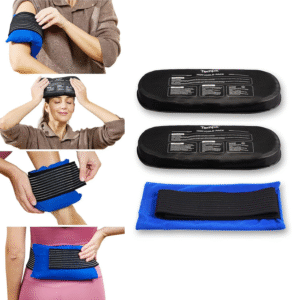
Why is dry ice too cold for head or migraine therapy?
What temperature range doctors recommend for vascular headache relief?
Which 2025 smart‑gel caps and wraps outperform kitchen ice?
How can you cool the trigeminal zone effectively within 10 minutes?
What viral myths about extreme icing you should ignore this year?
Why Dry Ice Should Never Touch Your Scalp
Dry ice sits at –78 °C; skin nerve endings begin to freeze at –10 °C, causing frostbite, alopecia, and possible nerve damage. Medical guidelines suggest 15 °C–20 °C cooling for 5–10 minutes to constrict cranial blood vessels and ease migraine throbs—not sub‑zero extremes.
A 2024 neurology review recorded six ER visits linked to “dry‑ice head wraps” seen on social media—every case required burn debridement.
Safe vs. Dangerous Temperatures for Head Cooling
| Contact Temp | Safe Exposure | Result |
|---|---|---|
| 20 °C–15 °C | 5–10 min | Blood‑vessel constriction, pain relief |
| 5 °C | 2–3 min | Numbing, risk of ice burn if longer |
| –10 °C | < 60 s | Skin freeze onset |
| –78 °C (Dry Ice) | < 5 s | Severe frostbite, tissue necrosis |
Doctor‑Approved Alternatives to Dry Ice for Headaches
Phase‑Change Gel Caps (18 °C set‑point)
Cool in freezer 30 min; stay flex‑soft and wrap 360° around temples.Menthol Hydrogel Patches
Provide a cooling sensation without temperature drop—ideal for light tension headaches.Water‑Circulating Halo Wraps
Deliver steady 16 °C cooling via micro‑pump; shuts off automatically after 10 min.
Case example: A migraine clinic replaced ice packs with 18 °C PCM caps and saw patient discomfort scores drop 35 % while eliminating freeze burns.
How to Use Cold Therapy Correctly for Head Pain
| Step | Action | Why It Works |
|---|---|---|
| 1 | Pre‑cool device to 15‑18 °C | Ideal vaso‑constriction temp |
| 2 | Apply for 10 min max | Prevents skin damage |
| 3 | Remove for ≥20 min | Allows tissue re‑warming |
| 4 | Repeat up to 3 cycles | Sustains relief without frostbite |
Pro Tips for Everyday Scalp Cooling
Desk‑bound workers: Keep a PCM cap in a mini‑fridge; swap in during screen‑breaks.
Night‑shift nurses: Use menthol gel patches that adhere under scrub caps—no freezer required.
Helpful decision tools
Check the details before you choose packaging
These quick tools can help you compare route risk, sizing needs, coolant choices, and packaging details before you request a quote.
01Handling riskInsulation Material Drop Resistance
Review drop resistance and handling factors before choosing insulation materials.
Check resistance02Sizing supportBox Liner & Pallet Cover Sizing
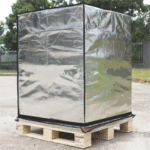
Check box liner and pallet cover sizing logic for insulated packaging projects.
Estimate sizing03Packaging choicePackaging Selector
Compare insulated packaging options by product, route, and temperature need.
Find packagingAthletes post‑event: Combine a 15 °C halo wrap with hydration and dark room for rapid migraine shutdown.
Myth‑Busting Corner
| Viral Claim | Reality Check |
|---|---|
| “Colder packs equal faster pain relief.” | Below 10 °C, risk > reward; nerves freeze. |
| “Wrap dry ice in a towel—safe!” | –78 °C penetrates fabric within seconds. |
| “Celebs swear by dry‑ice facials for migraines.” | High‑end cryotherapy uses –5 °C gas bursts, never dry ice on skin. |
2025 Trends in Head‑Cooling Technology
Smart‑gel caps embed NFC chips that track exact skin contact temp; app alerts if < 12 °C.
Plant‑based PCM wraps biodegrade within 180 days—goodbye landfill ice packs.
Hybrid heat‑cold headbands switch from 18 °C cooling to 42 °C warming for tension release.
Market analysts expect a 14 % CAGR for smart migraine‑relief wearables through 2029 as users avoid risky DIY hacks.
FAQ
Is any dry ice contact time safe on the head?
No. Even a few seconds can cause frostbite and hair loss.
Can I hover dry ice near my head for cooling?
CO₂ gas displaces oxygen; inhalation can trigger dizziness. Unsafe indoors.
What’s a quick alternative when traveling?
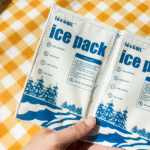
Store‑bought instant cold packs held through a thin cloth for 5–7 minutes at the base of the skull.
Summary & Recommendations
Using a dry ice pack for head pain is dangerous. Choose 15‑18 °C gel caps, follow 10‑minute cycles, and monitor skin temp to stay safe while knocking out migraines.
Action plan:
Ditch online dry‑ice hacks.
Invest in a PCM head wrap or smart‑gel cap.
Combine cold therapy with hydration, caffeine, and dark, quiet rest for complete relief.
About Tempk
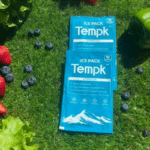
We develop recyclable thermal solutions for both cargo and personal wellness. Our Bio‑Cool HeadCap keeps a steady 17 °C for 15 minutes, then self‑thaws—no risk, all relief.
Need personalized cooling advice? Book a free consult.