A cold chain works by keeping a temperature-sensitive product within its approved conditions from preparation through storage, transport, handoffs, receiving and release. The chain is not one refrigerator or one insulated box. It is a controlled workflow that combines product requirements, trained people, suitable equipment, packaging, monitoring, records and an agreed response when something goes wrong.
The temperature range is product-specific. “Cold chain” does not always mean refrigerated, and it does not imply one universal setting. The correct limits, allowable time outside controlled conditions and final release decision must come from the product owner’s approved specification and applicable quality or regulatory procedure.
Start with the product requirement, not the shipping box
Before choosing a vehicle, cold room or package, the shipper needs a defined control target. That normally includes the permitted product condition, route duration, likely ambient exposure, payload size, handling limits, monitoring plan and receiving criteria. Without those inputs, a “cold-chain solution” is only a collection of components.
This page follows what physically happens to one shipment. If you need the broader concept first, read what a cold chain is and where its boundaries begin and end. For quality ownership, handoff records and deviation governance, use the separate cold-chain process control guide.
How a cold chain works in seven steps
| Step | What happens | Evidence to retain |
|---|---|---|
| 1. Define | The product owner sets the approved condition, shipment duration, handling limits, monitoring method and release criteria. | Current specification, lane assumptions and approved procedure |
| 2. Prepare | The product, storage space, vehicle or shipper, coolant and monitoring devices are brought to their required starting condition. | Conditioning, calibration, equipment-status and pre-trip records |
| 3. Pack and load | The payload is placed in the qualified arrangement, the monitor is positioned as specified, and the load is closed, labelled and transferred without avoidable delay. | Packout or loading record, device ID, seal or shipment ID |
| 4. Store and move | The shipment passes through controlled storage and transport legs. Equipment or packaging slows heat flow while operators manage doors, dwell time and route changes. | Departure, arrival, location and equipment records |
| 5. Monitor and hand over | People at each custody change confirm identity, condition and responsibility. Temperature data are recorded according to the monitoring plan. | Time stamps, custody records, alarms and temperature history |
| 6. Receive and assess | The receiver checks the shipment, retrieves or reviews data, and isolates it when damage, missing data or an excursion requires assessment. | Receiving inspection, data file and exception record |
| 7. Release and improve | An authorized person applies the defined acceptance criteria. Deviations are investigated, and route or packout changes return to review rather than being improvised. | Release or rejection decision, investigation and change-control record |
The sequence looks linear, but responsibility can change several times. A factory, warehouse, carrier, airport handler, distributor and final receiver may all touch the same shipment. The chain remains controlled only when each handoff preserves the required condition and transfers usable evidence to the next owner.
What each cold-chain component actually does
| Component | Its job | What it cannot prove by itself |
|---|---|---|
| Cold room, refrigerator, freezer or temperature-controlled vehicle | Maintains a controlled environment during a storage or transport leg. | That the product stayed in range before loading, during a power loss or after unloading |
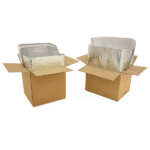
| Insulated shipper or thermal cover | Slows heat transfer between the payload and the surrounding environment. | A specific hold time without the intended payload, coolant arrangement, route and test evidence |
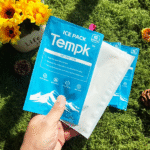
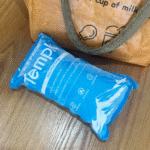
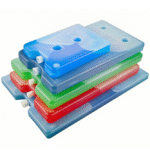
| Coolant or phase-change component | Absorbs or releases heat after being conditioned for the intended packout. | That every payload position remains acceptable or that direct contact will not create a local cold spot |
| Temperature monitor or data logger | Records temperature at its measurement location and time interval. | Why a deviation occurred, the temperature at every point, or whether the product is still acceptable |
| Procedure and trained operator | Turns the physical parts into a repeatable process and defines what to do with alarms and exceptions. | Performance when the procedure, route or equipment is changed without review |
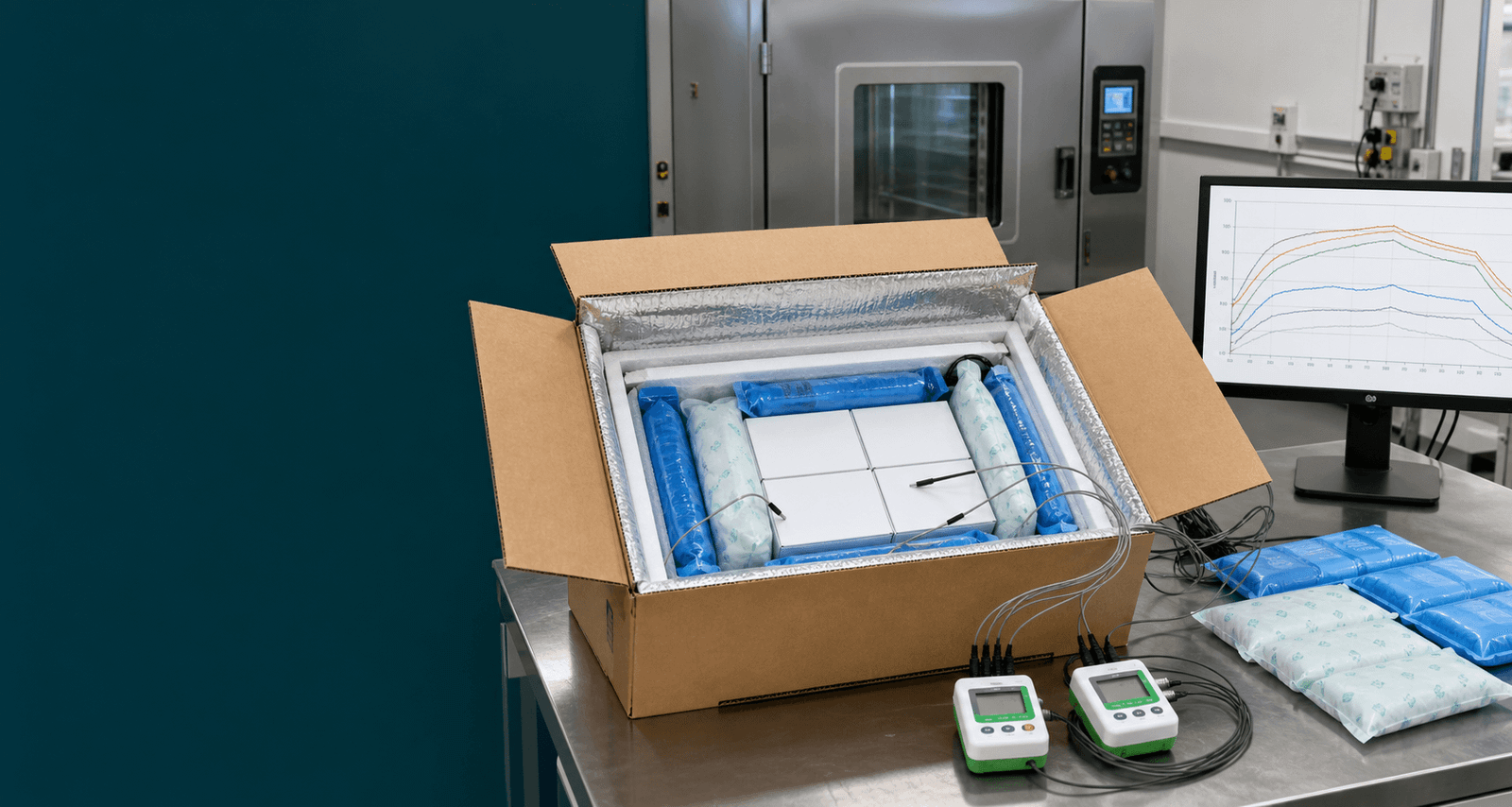
A package therefore protects the shipment, while a logger records conditions at its sensor. Neither replaces the other. For a parcel route, buyers can compare suitable starting configurations with the Tempk Packaging Selector, then confirm the real packout against the actual payload, route, season and receiving procedure.
A simple shipment walkthrough
Hypothetical example: a company needs to ship a chilled, temperature-sensitive product from a production site to a regional laboratory. The example explains the workflow only; it is not a test result, customer case or recommendation for a specific product.
- Quality defines the requirement. The product owner supplies the approved storage condition, maximum journey window, monitoring expectation and receiving decision rules.
- Operations checks the route. The team maps pickup, hub transfers, weekend risk, customs or security holds, expected ambient conditions and the responsible contact at each handoff.
- The packout is prepared. The selected shipper and thermal components are conditioned according to the approved instruction. The payload begins in its required state rather than being expected to cool inside the box.
- The shipment is assembled. Operators follow the documented loading order, place the monitor in the specified position, close the shipper and record the shipment and device identifiers.
- The carrier moves it through the lane. The team watches planned milestones and acts on delay or alarm information according to the escalation plan. A route change is not treated as harmless just because the outer box looks intact.
- The receiver inspects before use. Staff check identity, seal, damage, arrival time and the required temperature record. A questionable shipment is separated from usable stock while an authorized review is completed.
- The evidence closes the shipment. The receiver records release or rejection. Repeated delays, damage or temperature patterns become inputs for the next route, packaging or procedure review.
Where cold chains most often lose control
The vulnerable moments are usually transitions, not the long middle of a stable storage period. Common failure modes include:
- a payload or coolant starting at the wrong condition;
- an unplanned wait on a loading dock, in a vehicle yard or at a transfer hub;
- doors opened longer or more often than the operating plan allows;
- a logger placed in a different position or started at the wrong time;
- packout components substituted without a reviewed change;
- custody transferred without clear ownership of an alarm or missing data; and
- the receiver using the product before the required review is complete.
These risks are why a lane plan matters. The cold-chain transport guide covers route planning, transport controls and carrier handoffs in more detail.
Helpful decision tools
Check the details before you choose packaging
These quick tools can help you compare route risk, sizing needs, coolant choices, and packaging details before you request a quote.
Insulation Material Reference
Compare insulation material choices for different cold chain packaging needs.
Compare materialsBox Liner & Pallet Cover Sizing
Check box liner and pallet cover sizing logic for insulated packaging projects.
Estimate sizingIce Pack Calculator
Estimate gel ice pack quantity for chilled shipments and practical route planning.
Estimate ice packsWhat the receiver should check
- Match the shipment. Confirm the product, quantity, shipment ID and expected sender.
- Inspect external condition. Record visible damage, wetness, open seals or evidence of incorrect handling.
- Check time and custody. Compare actual arrival and handoff information with the planned lane.
- Retrieve the required temperature evidence. Follow the device and procedure instructions; a single spot reading may not replace a journey record.
- Separate exceptions. Quarantine or otherwise control affected product until the authorized decision is made.
- Document disposition. Record release, rejection or further investigation so the decision can be traced later.
The WHO model guidance for time- and temperature-sensitive pharmaceutical products addresses controlled storage and transport as a system. The CDC Vaccine Storage and Handling Toolkit similarly describes a temperature-controlled supply chain supported by equipment, procedures and trained staff. These sources are useful operating references, but product-specific instructions and applicable local requirements still control.
For U.S. food movements within its scope, the FDA Sanitary Transportation rule covers areas such as vehicles and equipment, transportation operations, training and records. For medicinal products in the European Union, the EU Good Distribution Practice guidelines include transport temperature conditions and the handling of temperature excursions. Applicability depends on product, role and jurisdiction; this page is not a substitute for legal or quality-system review.
Cold-chain questions answered
Does a cold chain mean everything must stay between 2°C and 8°C?
No. That range is relevant to some products, but chilled, frozen, controlled-room-temperature and other conditions may apply. Use the product’s approved specification rather than a generic range found online.
Can an insulated box create a cold chain by itself?
No. It can slow heat transfer, but performance depends on the whole packout and route: payload, thermal components, starting conditions, duration, ambient exposure, handling and closure. The process also needs monitoring, records and a receiving decision.
What is the difference between cold-chain packaging and a data logger?
Packaging is intended to protect the payload from environmental heat flow and physical handling. A logger measures temperature at a defined location and interval. A logger does not cool the product, and packaging does not create a temperature history.
What happens after a temperature excursion?
The product should be controlled according to the applicable procedure while an authorized person evaluates the temperature record, duration, product data and other relevant evidence. A reading outside a limit should not be automatically ignored, and this page cannot determine whether a specific shipment remains usable.
What records make a shipment traceable?
The exact set varies, but it commonly connects the product and shipment ID with the approved requirement, preparation or packout record, equipment or logger ID, route and custody events, temperature data, receiving inspection, exception review and final disposition.
The practical bottom line
A working cold chain has three connected layers: a defined product requirement, a physical system that manages heat and handling, and evidence that lets the receiver make a controlled decision. If any layer is missing, the shipment may look cold without being demonstrably controlled. Start with the product and route, assign every handoff, use qualified equipment or packaging for the intended scenario, and close the journey with documented receiving and release.