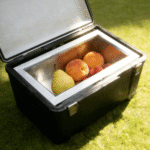
A warm food delivery bag should be assessed with the meals and containers your business actually delivers. Heat retention, condensation, spills and texture are related but different outcomes. A bag that keeps the air warm does not by itself establish food temperature, quality or safety throughout the route.
Set the meal requirements before choosing the bag
Identify the dishes, primary containers, dispatch conditions and receiving plan. A crisp fried item, a soup container and a mixed meal can behave differently in the same enclosed bag. Use the business’s applicable food-safety controls alongside its quality requirements.
Do not ask a passive insulated bag to cook food or restore an inadequate starting condition. Confirm what is ready for dispatch and how long packing, waiting and delivery may take. Keep chilled accompaniments separate according to the actual operating controls.
Separate bag performance from primary packaging
| Outcome | What to assess |
|---|---|
| Food temperature | Measured product locations through the actual exposure. |
| Condensation | Moisture inside the bag and primary container. |
| Texture | The agreed product-quality checks at receipt. |
| Leak resistance | Container closure and stability during carrying. |
| Bag closure | Reliable use with the intended number of meals. |
| Cleanability | Permitted cleaning and drying between deliveries. |
Changes to a food container’s venting or lid can affect heat and moisture differently. Follow its permitted use and assess the changed configuration; do not improvise a universal hole pattern or leave food exposed to improve crispness.
Run a meal-specific delivery trial
- Use representative dishes and their normal primary packaging.
- Start with the controlled dispatch condition.
- Include packing queues and realistic delivery delays.
- Reproduce carrying, vehicle placement and any openings.
- Measure product temperature at justified locations.
- Assess moisture, leakage and agreed meal-quality criteria.
Record observations separately. Better texture cannot override a food-safety departure, and a satisfactory temperature reading does not establish that a container remained intact. Test the tradeoffs your actual meals create.
Give staff clear handling instructions
Specify container orientation, bag loading, closure and any approved separation. Keep hot meals identified so couriers do not unpack the whole load to find one order. Clean and dry the bag by the manufacturer’s permitted method, and inspect damage before reuse.
Helpful decision tools
Check the details before you choose packaging
These quick tools can help you compare route risk, sizing needs, coolant choices, and packaging details before you request a quote.
Packaging Selector
Compare insulated packaging options by product, route, and temperature need.
Find packagingDry Ice Calculator
Estimate dry ice needs for frozen or ultra-cold shipments before packing.
Estimate dry iceCompliance Checklist Generator
Build a practical checklist for packaging review, shipping, and documentation.
Build checklistFDA: sanitary transportation of food addresses US operations within its coverage and exemptions. Direct-to-consumer and other delivery activities need their own applicable food controls; the bag is not a compliance certificate.
When a delay or spill occurs, use the business’s defined escalation and product-disposition process. Do not use warmth by touch as the release decision.
Frequently asked questions
Does a foil lining prove the meal stays hot?
No. The complete construction, containers, load and exposure determine the result.
Should every hot-food container be vented?
No. Follow the container’s permitted use and assess the actual dish and control requirements.
Can the same bag carry a hot meal and frozen dessert?
Do not assume it can. Assess suitable separation or use distinct containers.
Plan the relevant delivery pattern
Use the multi-stop opening guide when several orders share a route, and the hot-and-cold separation guide for mixed temperature requirements.