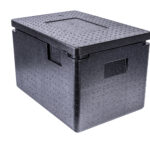
Pharmaceutical cold chain logistics should connect product requirements with every organization handling the shipment. Define packing release, pickup, transfers, temporary storage and receiving as controlled handoffs. A suitable shipper alone cannot establish that those steps were executed as planned or that the exposure records are complete.
Describe the actual lane
Identify the medicine and presentation, origin, destination, planned transport modes and service providers. Record expected transfer points, intermediate storage and the receiving operation. Include credible delays and after-hours events in the operational plan.
Use product-specific conditions from authorized information. Do not apply one refrigeration range to all medicines, or assume a biologic and an accessory share the same transport requirements.
Assign handoff responsibilities
| Handoff | Responsibility to agree |
|---|---|
| Packing release | Approved configuration, preparation and shipment identity. |
| Pickup | Acceptance timing and initial custody record. |
| Transfer hub | Relevant storage, security and delay escalation. |
| Monitoring | Device identity, access to records and review. |
| Receiving | Authorized recipient and movement into suitable storage. |
| Incident | Information transfer and product assessment authority. |
Keep responsibilities explicit when subcontractors or multiple carriers are involved. Identify which service includes an intervention and who can authorize it. Do not assume routine parcels receive specialized healthcare support.
Keep records usable across organizations
- Use consistent shipment and lot identifiers.
- Agree how temperature records reach the responsible reviewer.
- Record relevant waiting and transfer events.
- Retain preparation and actual configuration details.
- Specify incident contacts and escalation timing.
- Keep the recipient’s observations linked to the same shipment.
A tracking status describes a transport event, not necessarily product temperature. An acceptable final reading may leave an earlier exposure unanswered. Arrange the records needed to assess the full relevant journey.
Plan temporary storage and exceptions
Determine whether intermediate facilities and receiving locations support the required conditions. Arrange responsibility for deliveries outside ordinary hours and situations where the planned recipient is unavailable. Avoid an unassessed alternative drop-off point.
Helpful decision tools
Check the details before you choose packaging
These quick tools can help you compare route risk, sizing needs, coolant choices, and packaging details before you request a quote.
Packaging Selector
Compare insulated packaging options by product, route, and temperature need.
Find packagingCompliance Checklist Generator
Build a practical checklist for packaging review, shipping, and documentation.
Build checklistIce Pack Calculator
Estimate gel ice pack quantity for chilled shipments and practical route planning.
Estimate ice packsEU: Good Distribution Practice for human medicinal products addresses relevant EU human-medicine distribution and transport duties, including route risks and intermediate handling. WHO: pharmaceutical storage and transport model guidance offers a technical framework while local requirements retain precedence.
If an excursion or damage occurs, obtain the authorized product-specific investigation and disposition. Adding coolant or returning a shipment to a cold room does not erase its earlier history.
Frequently asked questions
Does booking a cold chain service transfer every quality duty to the carrier?
No. Define the agreed service scope and the responsibilities of each party.
Can tracking data replace the temperature record?
Not automatically. They answer different questions about the shipment.
Can a delivery be completed at any nearby location?
Use the receiving arrangements permitted and assessed for the actual medicine and operation.
Connect the lane with requirements and storage
Use the pharmaceutical compliance map to identify jurisdictional duties, and the pharmaceutical storage guide for fixed-location controls.