Phase Change Gel Pack Clinical Trial Wholesaler: A Practical Wholesale Supplier Selection Framework
The main lesson for buyers of phase-change gel packs for clinical-trial logistics is straightforward: the pack must be specified as part of a use case, not purchased as an isolated pouch. For phase change gel pack clinical trial wholesaler, the strongest wholesale program combines four controls: a measurable product specification, a defined conditioning method, evidence for the complete packout or use process, and supplier change control. Price still matters, but it should be negotiated after those variables are visible. This approach is more scalable, easier to audit and less likely to fail when the first approved sample becomes repeat production.
The four decisions that should be made before a quote is treated as comparable
First, define the required outcome. Is the pack supporting chilled distribution, a personal-care cold application, a clinical supply packout, or another use? A supplier cannot responsibly promise thermal performance without knowing the job. Second, define the physical pack: size, fill weight, pouch construction, seal, labeling and carton packing. Third, define conditioning. Fourth, define what evidence will be accepted for the complete configuration.
These four decisions convert a broad sourcing keyword into a controlled purchasing request. They also expose false comparisons. Two quotes can show the same dimensions while using different fill weights, films or formulations. Two packs can have the same weight while requiring different conditioning or giving different flexibility when frozen.
FDA guidance for decentralized clinical trials states that investigational-product shipping should address physical integrity and stability, including appropriate packaging materials and temperature control. Good Clinical Practice also expects handling and storage instructions and safeguards for investigational-product integrity. The correct purchasing response is to use authoritative guidance to define the risk and process, then verify the product-specific facts with supplier documentation and appropriate testing. Do not reverse that order by letting a supplier claim define the application.
For clinical-trial use, document ownership is also important. The coolant supplier can define the pouch, but the sponsor, investigator, depot, packaging engineer or qualified logistics party remains responsible for the broader procedure that governs the investigational product. Temperature excursions, packaging damage and receipt discrepancies need an escalation path. The wholesale specification should support that process rather than implying that purchasing a ‘clinical’ gel pack transfers responsibility to the coolant manufacturer.
Build a specification that purchasing, quality and operations can all read
A useful gel-pack specification is short enough to use but detailed enough to prevent silent substitutions. It should identify the approved product type, nominal dimensions, target filled weight, pouch material or agreed construction, seal expectations, print or label requirements, carton packing and lot identification. Where phase behavior is critical, include the approved coolant category or phase-change specification and the required conditioning method.
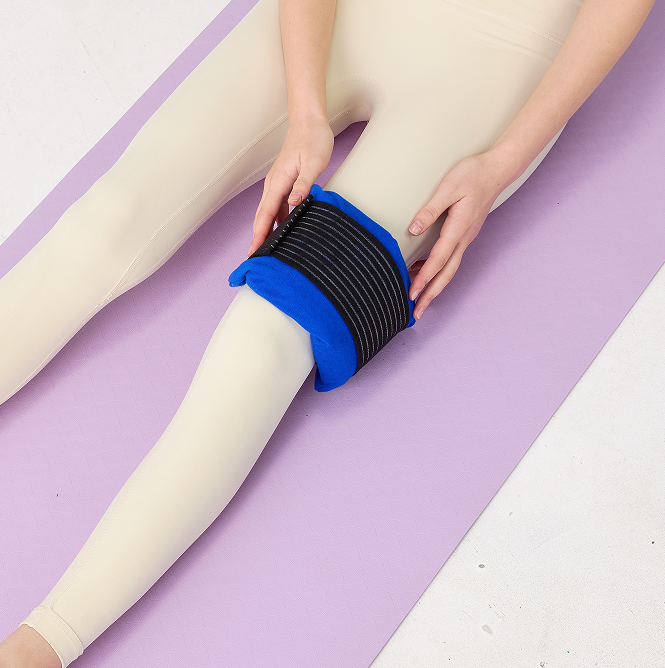
Then add process notes that matter to the use case. A warehouse may need packs stored flat before freezing. A clinical packout may require a separator between frozen coolant and a freeze-sensitive payload. A personal-care pack may require clear skin-protection instructions. A dairy operation may need clean handling and fast packout. These notes keep the purchasing document connected to the real workflow.
Finally, define the change-control boundary. Suppliers sometimes need to change film sources, printing processes, carton suppliers or gel ingredients because of availability. The problem is not that change can never happen; the problem is unreviewed change. Ask which changes will be communicated before implementation and which records will identify the affected lots.
For clinical-trial use, document ownership is also important. The coolant supplier can define the pouch, but the sponsor, investigator, depot, packaging engineer or qualified logistics party remains responsible for the broader procedure that governs the investigational product. Temperature excursions, packaging damage and receipt discrepancies need an escalation path. The wholesale specification should support that process rather than implying that purchasing a ‘clinical’ gel pack transfers responsibility to the coolant manufacturer.
What to verify in the supplier’s evidence
| Area to control | What the buyer should verify | Why it matters |
| Coolant definition | Composition, filled weight, pack size and phase behavior | A vague ‘gel pack’ description can hide meaningful differences between samples and production lots. |
| Conditioning | Freezing or preconditioning method, time, equipment and target state | The same pack can behave differently if it enters the shipper at a different thermal state. |
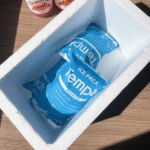
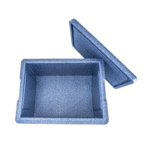
| Packout fit | Insulation, coolant placement, separators, payload mass and void space | Coolant performance belongs to the complete packaging system, not the pouch alone. |
| Quality control | Seal integrity, leakage inspection, dimensional tolerance and lot identification | Wholesale scale increases the cost of small inconsistencies. |
| Evidence | Thermal test conditions, acceptance criteria and change-control records | A headline duration or temperature claim is not useful without the conditions behind it. |
| Operations | Carton packing, labeling, storage, handling and receiving process | A technically sound pack can still fail if warehouse execution is inconsistent. |
Evidence should answer a decision, not simply fill a document folder. For a low-risk consumer use, basic dimensional and leakage controls may be enough. For a clinical or pharmaceutical-related use, the quality team may expect much more detailed documentation and packout support. Match the depth of evidence to the consequence of failure.
For clinical-trial use, document ownership is also important. The coolant supplier can define the pouch, but the sponsor, investigator, depot, packaging engineer or qualified logistics party remains responsible for the broader procedure that governs the investigational product. Temperature excursions, packaging damage and receipt discrepancies need an escalation path. The wholesale specification should support that process rather than implying that purchasing a ‘clinical’ gel pack transfers responsibility to the coolant manufacturer.
Thermal claims need conditions attached
A statement such as ‘keeps cold for 24 hours’ is incomplete unless the conditions are known. The duration depends on insulation, coolant mass, starting temperature, payload, internal air volume, ambient exposure and the endpoint used to define failure. A pack can remain visibly frozen while the product temperature has already left its allowed range, or it can be fully melted while the insulated package still remains within range for some time.
For temperature-controlled shipping, ask for the actual thermal test configuration. Recognized frameworks such as ISTA Standard 20 and Test Standard 7E can support structured evaluation of insulated shipping containers. However, standard profiles do not erase route differences. High-risk lanes may require qualification that reflects real seasonal and operational conditions.
For clinical trials, the packaging process should also connect to investigational-product integrity, handling, tracking and documented procedures where applicable. For personal care, thermal testing should focus on user comfort and safe instructions rather than making unsupported therapeutic claims. For dairy, the target should come from the food product’s refrigeration requirement and distribution process. The technical endpoint changes with the use case.
For clinical-trial use, document ownership is also important. The coolant supplier can define the pouch, but the sponsor, investigator, depot, packaging engineer or qualified logistics party remains responsible for the broader procedure that governs the investigational product. Temperature excursions, packaging damage and receipt discrepancies need an escalation path. The wholesale specification should support that process rather than implying that purchasing a ‘clinical’ gel pack transfers responsibility to the coolant manufacturer.
Helpful decision tools
Check the details before you choose packaging
These quick tools can help you compare route risk, sizing needs, coolant choices, and packaging details before you request a quote.
Packaging Selector
Compare insulated packaging options by product, route, and temperature need.
Find packagingIce Pack Calculator
Estimate gel ice pack quantity for chilled shipments and practical route planning.
Estimate ice packsRoute Risk Checker
Review lane conditions before selecting packaging for real operating requirements.
Check route riskScale-up risks are usually manufacturing and warehouse risks
After technical suitability is established, wholesale failures often come from execution. Production fill weight drifts, pouches are packed before seals are fully checked, cartons are overloaded, or warm packs are stacked so densely that conditioning takes longer than expected. These issues are ordinary manufacturing and warehouse problems, which means they can be managed with ordinary controls if the buyer defines them.
A pilot order should therefore test more than temperature. Inspect frozen-state shape, pouch flexibility, edge behavior, printing, condensation, carton durability and handling speed. If the program uses thousands of packs per day, verify freezer capacity and batch rotation. If the program is reusable, define inspection and rejection criteria for damaged packs.
Receiving inspection should focus on characteristics that can detect meaningful drift without turning every delivery into a laboratory project. Representative weight and dimension checks, seal appearance, lot identity, carton count and packaging condition are practical starting points. Higher-risk programs can add documentation review and more formal sampling plans.
For clinical-trial use, document ownership is also important. The coolant supplier can define the pouch, but the sponsor, investigator, depot, packaging engineer or qualified logistics party remains responsible for the broader procedure that governs the investigational product. Temperature excursions, packaging damage and receipt discrepancies need an escalation path. The wholesale specification should support that process rather than implying that purchasing a ‘clinical’ gel pack transfers responsibility to the coolant manufacturer.
When to choose a different coolant or packaging approach
A strong sourcing process includes the option to reject the original product category. water-based gel packs, conditioned ice packs, dry ice, active temperature-controlled containers may be better in specific conditions. The choice depends on the required temperature, duration, payload sensitivity, freight mode, conditioning equipment, return logistics and handling rules.
A water-based gel pack is often a cost-effective chilled coolant, but it should not be expected to solve ultra-low-temperature shipping. An engineered PCM can improve control around a selected phase point, but it adds specification and conditioning requirements. Dry ice can support frozen or very cold applications but brings different safety and transport considerations. Active systems may be justified when passive thermal mass is not enough.
This is why supplier selection should not begin with a promise that one SKU can solve every route. It should begin with a willingness to compare alternatives and state limits. A supplier that can explain when its product is not appropriate is giving the buyer information that reduces risk.
For clinical-trial use, document ownership is also important. The coolant supplier can define the pouch, but the sponsor, investigator, depot, packaging engineer or qualified logistics party remains responsible for the broader procedure that governs the investigational product. Temperature excursions, packaging damage and receipt discrepancies need an escalation path. The wholesale specification should support that process rather than implying that purchasing a ‘clinical’ gel pack transfers responsibility to the coolant manufacturer.
Practical questions buyers commonly raise
Can I select a gel pack only by weight? No. Weight affects thermal mass, but usable performance also depends on formulation, conditioning, insulation, payload, placement and ambient exposure. Compare weight only after the packout and operating requirement are defined. The answer should be confirmed against the specific program before it becomes a purchasing requirement.
Does a medical or clinical label make the pack qualified? No. A gel or PCM pack is a coolant component. Qualification or regulatory suitability depends on the complete product, packaging system, documented process and applicable requirements. Ask for evidence that matches the intended configuration. The answer should be confirmed against the specific program before it becomes a purchasing requirement.
Should I ask for a fixed hold-time guarantee? Ask for test data and conditions instead. Hold time changes with ambient profile, starting temperatures, payload, insulation, pack quantity and acceptance criteria. A useful supplier states the conditions behind the result. The answer should be confirmed against the specific program before it becomes a purchasing requirement.
What should be fixed before mass production? Freeze the approved physical specification, coolant category, filled weight, key pouch construction, artwork, carton packing and any critical conditioning instructions. Define which changes require buyer notification. The answer should be confirmed against the specific program before it becomes a purchasing requirement.
How should I compare samples from two suppliers? Condition and evaluate them under the same procedure. Compare frozen-state handling, leakage, dimensions, weight consistency, packout fit and thermal behavior in the same insulated configuration. Do not compare one supplier’s laboratory result with another supplier’s marketing claim. The answer should be confirmed against the specific program before it becomes a purchasing requirement.
What information should I send when requesting a quote? Share the use case, payload type, required temperature condition, route duration, packaging format, expected pack size or weight, estimated order volume, printing needs and whether thermal or quality documentation is required. For clinical supply, pharma logistics, depot and procurement teams, this gives the supplier enough context to propose rather than guess. The answer should be confirmed against the specific program before it becomes a purchasing requirement.
Conclusion and Tempk fit
For phase change gel pack clinical trial wholesaler, the most scalable wholesale strategy is to control the specification, conditioning, packout evidence and change process before optimizing price. That sequence creates a clear basis for supplier comparison and gives operations a repeatable product instead of a moving target. It also keeps regulatory or clinical claims tied to the complete process rather than to the gel pouch alone.
About Tempk: Tempk develops cold-chain packaging components and related solutions for B2B buyers, including gel ice packs, water-based packs, phase-change materials, insulated packaging and temperature-monitoring options. For a wholesale program, Tempk can discuss pack dimensions, weight, film structure, printing and carton packing, while the final packout should still be evaluated against the customer’s product, route, duration and handling conditions. Tempk’s practical advantage for this type of sourcing discussion is the ability to consider the coolant together with insulated packaging and temperature-monitoring needs, while still treating final performance as something that must be matched to the buyer’s route and payload. Share the application, temperature requirement, package format and expected volume to discuss an appropriate wholesale configuration.