How to Choose Custom Insulated Delivery Bags for Restaurants, Grocery, and Meal Prep Brands
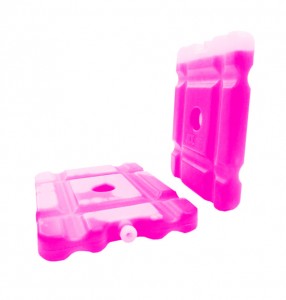
Custom insulated delivery bags are a practical cold chain tool for restaurants, grocery platforms, meal prep companies, dark kitchens, caterers, and local food delivery operators. But an insulated bag is not a magic cooler. It slows heat transfer; it does not create cold by itself. The food must start at the correct temperature, the route time must be realistic, and cold packs may be needed when chilled products are exposed to long delivery windows or warm ambient conditions. This guide explains how B2B buyers can choose insulated delivery bags by route model, payload type, temperature target, material structure, size, closure, cleaning process, branding, and packout compatibility. Define the Food Safety Target First For chilled food and grocery delivery, the most important design question is the target temperature at delivery. FDA consumer guidance uses 40°F / 4°C or below for refrigerated food storage, while the FDA Food Code model uses 41°F / 5°C or below for cold holding of TCS foods...